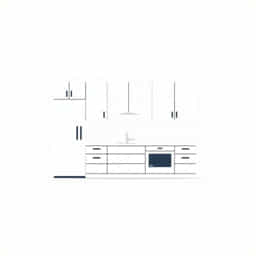
You Assemble Kitchen Cabinets
Assembling kitchen cabinets on your own can be a rewarding and cost-effective project, whether you’re remodeling your kitchen or installing cabinetry in a new home. Instead of relying on pre-assembled or professionally installed units, many homeowners choose to build their cabinets from flat packs or kits. This DIY process not only saves money but also gives you greater control over the layout, design, and functionality of your kitchen. With careful planning and the right tools, you can successfully assemble kitchen cabinets that are strong, level, and visually appealing.
Understanding Flat Pack Kitchen Cabinets
What Are Flat Pack Cabinets?
Flat pack kitchen cabinets come in boxes and are designed to be assembled at home. They include pre-cut panels, hardware, and detailed instructions. The main advantage is that they are typically more affordable than custom or pre-assembled cabinets and are easy to transport.
Benefits of Assembling Your Own Cabinets
- Cost savings on labor and delivery
- Customization options for layout and size
- Learning and satisfaction from doing it yourself
- Convenience of installation on your own schedule
Essential Tools and Materials
What You’ll Need Before You Start
Gathering the right tools before you begin is crucial. Most flat pack cabinet kits come with instructions, but having reliable tools will make the process smoother and more accurate.
- Measuring tape and pencil
- Screwdriver or electric drill
- Level
- Clamps
- Hammer and rubber mallet
- Wood glue (if required by instructions)
- Safety goggles and gloves
Step-by-Step Guide to Assemble Kitchen Cabinets
Step 1: Read the Instructions Thoroughly
Before you even open your toolbox, take the time to read through all the instructions provided in the cabinet kit. Understanding the sequence of assembly helps prevent mistakes and wasted effort.
Step 2: Identify and Organize the Parts
Lay out all the panels and hardware. Use labels or group them into sections such as base, sides, shelves, and doors. This saves time during assembly and reduces confusion.
Step 3: Assemble the Cabinet Box
Start by connecting the side panels to the base. Use screws, wooden dowels, or cam locks depending on the kit design. Make sure all corners are square and align the parts precisely.
Step 4: Add the Back Panel
Most cabinets include a thin back panel that provides stability. Secure it using nails or screws along the edge. Use a level to ensure the cabinet stands straight and true.
Step 5: Install Internal Shelves
Fit the adjustable shelves into the pre-drilled holes inside the cabinet. Some shelves may require brackets, while others simply rest on pins. Choose the height based on your storage needs.
Step 6: Attach the Doors
Use the included hinges to attach the cabinet doors. It’s important to align the hinges correctly so the doors open and close smoothly. Adjust the hinges for spacing and leveling if needed.
Step 7: Final Checks and Adjustments
After completing assembly, check all joints and fasteners. Tighten any loose screws and make sure doors and drawers align properly. Place the cabinets on a level surface and adjust the legs or shims if needed.
Tips for Smooth Assembly
Work on a Clean, Flat Surface
Use a workbench or clean floor space to avoid losing screws or damaging the cabinet pieces. A flat surface helps in aligning panels accurately.
Use Clamps for Stability
When screwing panels together, use clamps to hold them steady. This prevents movement and ensures a tight, secure fit.
Double-Check Measurements
Ensure your measurements match the kitchen layout. Confirm spacing between cabinets and alignment with appliances before final installation.
Common Mistakes to Avoid
Skipping the Instructions
Even experienced DIYers can run into trouble by assuming all kits are the same. Always read the manual that comes with your specific cabinets.
Overtightening Screws
Too much force can strip the wood or damage the panels. Tighten screws firmly but with control, especially when working with ptopicboard or MDF.
Ignoring Leveling
If your cabinets are not level, you’ll have problems installing countertops and drawers. Take the time to use a spirit level and make necessary adjustments during the process.
Installing Assembled Cabinets
Wall Mounting and Anchoring
Once the cabinets are assembled, the next step is securing them to the wall. Use wall studs for anchoring and make sure the cabinets are level and aligned. Start with upper cabinets before moving to base cabinets.
Fitting Drawers and Hardware
If your cabinet includes drawers, install the runners and slide them into place. Then, attach handles, knobs, or pulls to finish the job.
Connecting Cabinets Together
When placing cabinets side by side, use screws to attach them through the side panels. Clamp them together and pre-drill holes to prevent splitting the material.
When to Call a Professional
Complex Layouts
If your kitchen has an unusual layout, uneven walls, or requires custom fitting around pipes and electrical points, consider hiring a professional installer. This ensures safety and precision.
Time Constraints
Assembling and installing cabinets can be time-consuming. If you’re on a tight schedule, outsourcing the task may be more efficient.
Benefits of Assembling Cabinets Yourself
Cost Savings
One of the biggest advantages of self-assembly is saving money on labor. You also avoid extra fees for custom modifications or adjustments.
Sense of Accomplishment
Completing a kitchen cabinet installation brings a unique satisfaction. It’s a testament to your hands-on skills and determination.
Customization
You have full control over the assembly process, allowing you to make small adjustments and changes that reflect your specific kitchen needs.
Learning how to assemble kitchen cabinets gives you a practical skill that enhances your home improvement capabilities. It allows for personal customization, saves money, and delivers a sense of pride in your own handiwork. While the process may seem intimidating at first, with the right tools, preparation, and patience, even beginners can achieve professional-looking results. Whether you are replacing old cabinets or designing your kitchen from scratch, assembling your own kitchen cabinets is an empowering and fulfilling project.