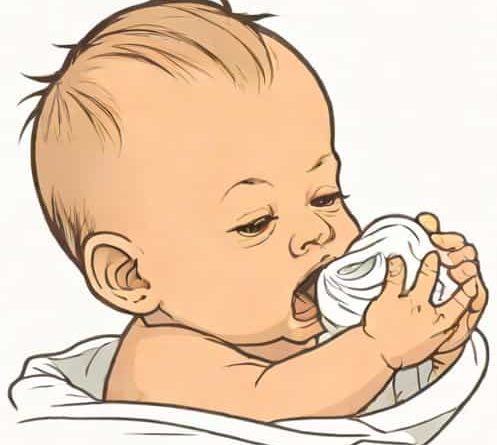
Your Baby Brother Accidentally Swallow
Accidents involving small children can be alarming, particularly when a baby or toddler swallows something they shouldn’t. Such incidents are surprisingly common and can range from minor, harmless situations to severe emergencies requiring immediate medical attention. Understanding the risks, recognizing the warning signs, and knowing the appropriate steps to take can make a crucial difference in keeping your baby brother safe. Awareness and preparation help parents and caregivers respond calmly and effectively, reducing potential harm and ensuring timely care.
Common Items That Babies Accidentally Swallow
Babies are naturally curious and explore the world with their mouths. This tendency can lead to accidental ingestion of various objects. Common items that babies might swallow include
- Small toys or toy partsButtons, building blocks, or figurine pieces can easily be swallowed.
- CoinsCoins are small, shiny, and often within reach, making them a common hazard.
- BatteriesButton batteries are particularly dangerous due to chemical burns and obstruction risks.
- Food itemsGrapes, nuts, and hard candies can cause choking if not properly cut into small pieces.
- Household objectsHairpins, screws, magnets, and other small items found around the home.
Understanding the Risks
While many swallowed objects pass through the digestive system without causing harm, certain items pose serious dangers. Sharp objects can puncture the digestive tract, batteries can cause chemical burns, and magnets can attract each other across intestinal walls, leading to life-threatening complications. Even relatively harmless items can cause choking, especially in babies who have smaller airways.
Recognizing the Signs That Your Baby Brother Swallowed Something
Prompt recognition of swallowing incidents is vital. Some signs and symptoms may include
- Gagging or vomiting
- Excessive drooling or difficulty swallowing
- Coughing or choking
- Refusal to eat or drink
- Unusual irritability or discomfort
- Visible object in the mouth or throat (in some cases)
Even if your baby brother appears fine after swallowing a small object, it is still important to monitor him closely and seek professional advice. Symptoms can develop hours or even days later depending on the nature and location of the object.
Immediate Actions to Take
When you suspect your baby brother has swallowed something, quick and calm action is crucial. Steps include
- Check for choking If the baby is choking and unable to breathe, cough, or cry, perform age-appropriate first aid such as back blows and chest thrusts for infants.
- Keep him calm and seated Avoid forcing him to eat or drink anything unless directed by a medical professional.
- Identify the object If possible, determine what was swallowed, including size, shape, and material. This information will help healthcare providers assess risk.
- Contact emergency services or a pediatrician immediately Certain objects, like batteries or magnets, require urgent medical attention even if the child seems okay.
Medical Assessment and Treatment
After a swallowing incident, healthcare professionals may perform diagnostic procedures such as X-rays or endoscopy to locate the object. Treatment depends on the type, size, and location of the swallowed item
Objects Likely to Pass Naturally
Many small, smooth objects like coins or small food items may pass through the digestive tract without complications. Doctors often recommend monitoring stool for the object, keeping the baby hydrated, and observing for any symptoms such as vomiting, abdominal pain, or blood in stool.
Objects Requiring Removal
Objects that are sharp, large, or potentially toxic usually need medical intervention. Button batteries, multiple magnets, or sharp objects may require endoscopic removal to prevent serious injury. Hospitalization may be necessary in some cases to ensure the baby’s safety and monitor for complications.
Preventive Measures to Keep Babies Safe
Prevention is the most effective way to protect your baby brother from accidental swallowing. Implementing safety measures around the home is essential
Home Safety Tips
- Keep small objects out of reach of children, including coins, batteries, and small toys.
- Regularly inspect toys for small detachable parts.
- Use baby-proof containers and cabinets for hazardous items.
- Cut food into small, manageable pieces appropriate for the baby’s age.
- Educate older siblings about the risks of leaving objects within reach.
Supervision and Education
Constant supervision is crucial, especially during meal times and playtime. Teaching caregivers and family members about potential choking hazards and first aid procedures enhances safety. Awareness of the risks allows quick and effective response if an incident occurs.
When to Seek Immediate Help
Certain situations require urgent medical attention without delay. Call emergency services immediately if your baby brother
- Is choking and cannot breathe, cry, or cough
- Swallowed a battery or magnet
- Shows signs of severe pain, vomiting, or blood in vomit or stool
- Exhibits sudden lethargy, difficulty breathing, or unusual behavior
Accidental swallowing in babies is a serious concern that can cause fear and stress for families. Understanding common risks, recognizing warning signs, and knowing the proper steps to respond are essential for ensuring your baby brother’s safety. While many objects pass harmlessly, certain items like batteries, magnets, and sharp objects require immediate medical attention. Preventive measures, supervision, and education play a vital role in reducing these incidents, while proper medical care ensures timely and effective treatment. By being prepared and informed, parents and caregivers can respond calmly, protect their children, and foster a safe environment where accidents are minimized and children can explore the world safely.