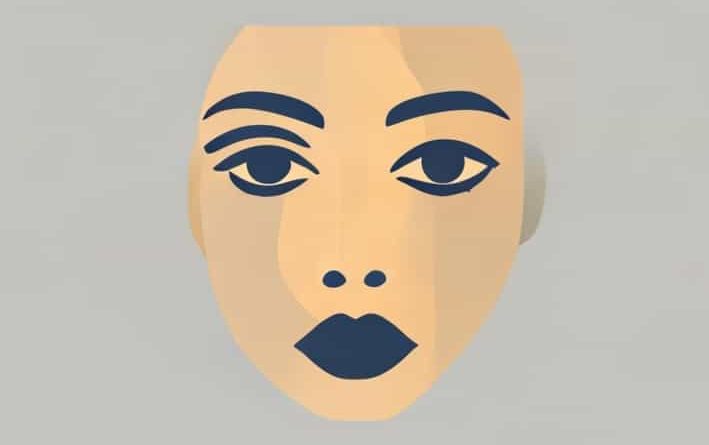
Your Face Is Momentary Misfits
The phrase Your Face is Momentary Misfits immediately evokes a sense of fleeting expressions, individual uniqueness, and the unexpected nature of human emotions. Faces tell stories, often revealing more than words ever could, and in music, art, or culture, moments captured in facial expressions can symbolize rebellion, identity, or a deeper emotional truth. Whether referring to a song title, an artistic project, or a metaphorical expression, this idea highlights how transient yet impactful personal expressions can be, leaving lasting impressions on those who witness them. In a world obsessed with permanence and perfection, these momentary misfits remind us that beauty and meaning can reside in the ephemeral, the imperfect, and the unplanned.
The Concept of Momentary Misfits
Momentary misfits are those brief instances when a person’s facial expression or demeanor defies expectation, challenges norms, or conveys emotion in a raw, unfiltered way. Unlike rehearsed smiles or posed photographs, these expressions are spontaneous and authentic, often reflecting real feelings such as joy, frustration, surprise, or confusion. Artists, photographers, and filmmakers often seek out these fleeting moments because they capture human truth in its most genuine form. The concept emphasizes that imperfection and unpredictability can be compelling, giving depth and relatability to otherwise ordinary encounters.
Faces as Storytellers
Our faces communicate far more than we consciously realize. Each glance, smirk, or raised eyebrow can convey complex emotions, social cues, and personal narratives. In the context of Your Face is Momentary Misfits, faces become temporary canvases for the human experience. These misfits-unplanned expressions-can reveal hidden layers of personality, hint at unspoken thoughts, or expose vulnerabilities. The power of a single facial moment lies in its ability to resonate with others, sparking empathy, curiosity, or even artistic inspiration.
Momentary Misfits in Music and Pop Culture
The phrase also resonates within the music and pop culture world, particularly in genres that embrace rebellion, individuality, and emotional honesty. Bands or artists may use this idea to highlight how fleeting expressions, chaotic moments, or unfiltered reactions define the human experience. In punk, indie, or alternative music, the concept of a momentary misfit can reflect the tension between societal expectations and personal authenticity. Lyrics, album art, or music videos that focus on these transient, misfit moments often strike a chord with audiences who value individuality and raw emotion.
Artistic Interpretation
Artists across mediums have explored the notion of fleeting imperfections. Photographers may capture candid moments of facial expression that defy traditional beauty standards, painters may depict abstract or distorted faces to express inner emotion, and filmmakers might use quick close-ups to convey vulnerability or surprise. In every case, the momentary misfit serves as a lens through which we can examine human complexity. It reminds audiences that there is beauty and meaning in the temporary, the irregular, and the unexpected.
The Psychology Behind Facial Expressions
Scientific studies on facial expressions indicate that our faces are incredibly powerful tools for communication. Microexpressions-subtle, brief facial movements-can reveal true feelings even when a person is attempting to hide them. In this sense, every fleeting expression is a kind of misfit it diverges from the intended or socially acceptable norm and offers a window into authentic emotion. Understanding these expressions can deepen our empathy and enhance social interaction, reminding us that behind every face is a complex mix of thoughts and feelings, often revealed in moments too brief to fully control.
Embracing Imperfection
Momentary misfits challenge society’s obsession with flawless appearances. In an age dominated by social media, curated selfies, and filtered images, the raw, unpolished expressions stand out as genuine markers of human identity. Embracing these imperfections can be liberating, encouraging self-acceptance and authenticity. Artists, influencers, and everyday individuals alike are increasingly recognizing that the power of expression lies not in perfection, but in honesty. A face that shows a fleeting misfit moment may tell a story far more compelling than a rehearsed smile ever could.
Capturing Momentary Misfits
Whether in photography, video, or personal interaction, capturing or noticing momentary misfits requires attentiveness and openness. These expressions are brief and easily missed, so they demand mindfulness from both the observer and the subject. Photographers often rely on patience and intuition, waiting for unguarded moments that convey authenticity. Similarly, social interactions benefit from paying attention to these microexpressions, as they can reveal unspoken emotions, build deeper connections, and highlight individuality.
Applications in Art and Media
- Photography Candid shots of individuals in natural settings often reveal misfit expressions that convey emotional depth.
- Film and Theater Quick close-ups or reaction shots capture fleeting emotions that enhance storytelling.
- Visual Arts Abstract or distorted depictions of faces can symbolize internal conflicts or transient feelings.
- Music and Music Videos Artists may use fleeting visual expressions to reflect lyrics or emotional narratives.
The Philosophical Dimension
At a deeper level, the idea of Your Face is Momentary Misfits can be viewed as a meditation on impermanence. Life itself is transient, and our expressions, emotions, and experiences exist only for brief moments before changing. By appreciating these fleeting instances, we cultivate mindfulness, presence, and a greater appreciation for human complexity. Momentary misfits serve as reminders that identity is fluid, emotions are temporary, and the beauty of life often lies in unpredictability.
The phrase Your Face is Momentary Misfits captures the transient, imperfect, and authentic nature of human expression. Whether considered from an artistic, psychological, or philosophical perspective, it highlights the power of fleeting moments to convey emotion, individuality, and meaning. From candid photography to music, from personal interactions to self-reflection, these transient expressions remind us that imperfection can be strikingly beautiful and deeply human. By observing, embracing, and celebrating these momentary misfits, we connect more authentically with ourselves and others, finding richness in the unexpected and transient moments of life.