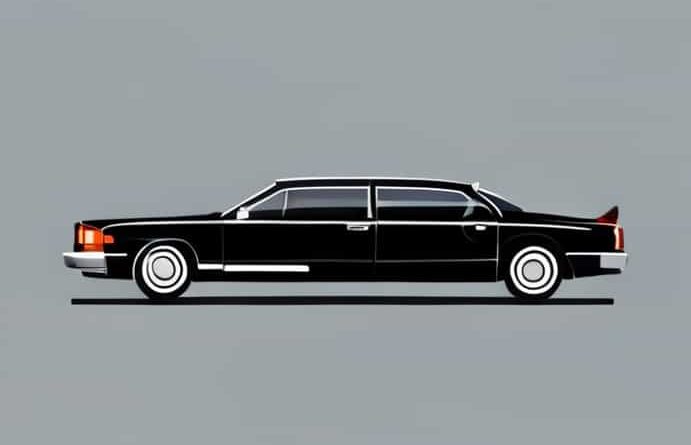
Zil 41047 Limousine Weight
The ZIL 41047 limousine is a legendary vehicle that symbolizes luxury, power, and political prestige, particularly in Russia during the late 20th century. Known for its imposing design, superior craftsmanship, and robust engineering, the ZIL 41047 was used extensively by state officials and foreign dignitaries. One of the key specifications that enthusiasts and automotive historians often inquire about is the weight of this iconic limousine. Understanding the weight of the ZIL 41047 is essential not only for appreciating its engineering but also for recognizing the challenges involved in driving, maintaining, and transporting such a massive vehicle. The limousine’s weight affects its performance, fuel consumption, and handling characteristics, making it an important aspect of its overall design and functionality.
Overview of the ZIL 41047 Limousine
The ZIL 41047 limousine was introduced as an updated version of the earlier ZIL 41041 model, featuring enhancements in comfort, safety, and performance. Built by the Zavod Imeni Likhachova (ZIL) factory in Moscow, this limousine became the preferred choice for Soviet and Russian leaders, combining state-of-the-art automotive technology with a design intended to convey authority and prestige. Its large dimensions, reinforced body, and luxury interior contribute significantly to the overall weight of the vehicle. Every element, from the steel frame to the plush seating and specialized features, adds to the ZIL 41047’s substantial mass.
Dimensions and Design Features
- LengthApproximately 6.2 meters (20.3 feet), contributing to its substantial footprint.
- WidthAround 2 meters (6.6 feet), providing spacious interiors and stability on the road.
- HeightRoughly 1.55 meters (5.1 feet), giving the limousine a commanding presence.
- Weight DistributionDesigned for balanced weight distribution to ensure safe handling despite its size.
ZIL 41047 Limousine Weight Specifications
The ZIL 41047 limousine is known for its exceptionally heavy build, primarily due to the use of reinforced steel in the chassis and body panels. The limousine’s weight is approximately 3,600 kilograms, or about 7,936 pounds. This impressive weight reflects the limousine’s armored features, luxurious interior fittings, and structural reinforcements designed to ensure both passenger safety and vehicle longevity. Comparatively, the ZIL 41047 is heavier than many contemporary luxury cars, emphasizing its role as a high-security, ceremonial vehicle rather than a standard passenger car.
Factors Contributing to the Weight
- Armored BodyMany ZIL 41047 models were equipped with armor plating to protect high-ranking officials, significantly increasing the overall weight.
- EngineThe limousine was powered by a V8 engine with a displacement of 7.7 liters, which itself is a heavy component necessary to move such a large vehicle.
- Interior LuxuryLeather seats, wood trim, advanced climate control, and other luxury fittings add considerable weight.
- Reinforced SuspensionHeavy-duty suspension systems were installed to support the massive body and ensure stability during travel.
Impact of Weight on Performance
The ZIL 41047’s weight affects several aspects of its performance. While the limousine is not designed for speed or agility, its robust construction ensures a smooth and stable ride. The powerful V8 engine compensates for the heavy mass, allowing the vehicle to accelerate adequately for city driving and highway travel. However, the weight contributes to higher fuel consumption and requires more braking distance, demanding careful handling by experienced drivers. Despite these challenges, the weight also adds to passenger comfort, as it reduces the impact of road imperfections and contributes to a quieter ride.
Handling and Stability
Heavier vehicles like the ZIL 41047 benefit from increased stability, particularly at higher speeds. The limousine’s weight lowers the center of gravity to some extent and helps maintain a steady ride, especially when armored modifications are present. Steering requires more effort due to the weight, and drivers must account for longer stopping distances. Specialized suspension and braking systems were incorporated to mitigate these effects, ensuring that the vehicle remained controllable despite its mass.
Maintenance Considerations
Owning or operating a ZIL 41047 limousine requires attention to maintenance due to its heavy build. The weight places additional strain on tires, brakes, and suspension components. Regular maintenance schedules must account for the high stress on these parts to prevent premature wear. Additionally, transporting or storing the limousine demands facilities capable of supporting its significant weight. Careful planning for fueling, parking, and routine servicing is essential to ensure that the limousine remains functional and reliable over time.
Parts and Upkeep
- TiresHeavy-duty tires are necessary to handle the limousine’s mass and ensure safe traction.
- BrakesReinforced braking systems are required for effective stopping power.
- SuspensionSpecialized suspension components support the weight and provide a smooth ride.
- Engine MaintenanceThe large V8 engine requires regular servicing to maintain optimal performance despite the heavy load.
Comparison with Other Luxury Vehicles
The ZIL 41047’s weight of approximately 3,600 kilograms places it among the heaviest luxury limousines in automotive history. For comparison, a contemporary Mercedes-Maybach S-Class limousine weighs around 3,100 kilograms, while a Rolls-Royce Phantom Extended Wheelbase limousine is approximately 3,350 kilograms. This demonstrates that the ZIL 41047 was engineered for maximum security, durability, and presence rather than fuel efficiency or speed. Its weight underscores its role as a state vehicle designed to convey authority and protection above all else.
Advantages of the Weight
- Enhanced safety and armor effectiveness.
- Smoother ride quality over uneven terrain.
- Greater presence and commanding road appearance.
Disadvantages of the Weight
- Higher fuel consumption compared to lighter vehicles.
- Longer braking distances and reduced maneuverability.
- Additional stress on suspension and tires, requiring frequent maintenance.
The ZIL 41047 limousine remains a remarkable example of automotive engineering, combining luxury, security, and historical significance. Its weight of approximately 3,600 kilograms is a direct result of its reinforced construction, armored body, powerful engine, and opulent interior. While the limousine’s mass affects fuel efficiency, handling, and maintenance requirements, it also provides unparalleled stability, protection, and comfort for passengers. Understanding the weight and its implications offers valuable insight into why the ZIL 41047 was chosen as the vehicle of choice for state leaders and dignitaries. Today, it stands as a symbol of prestige and engineering excellence, illustrating the unique challenges and achievements of heavy luxury limousines in automotive history.