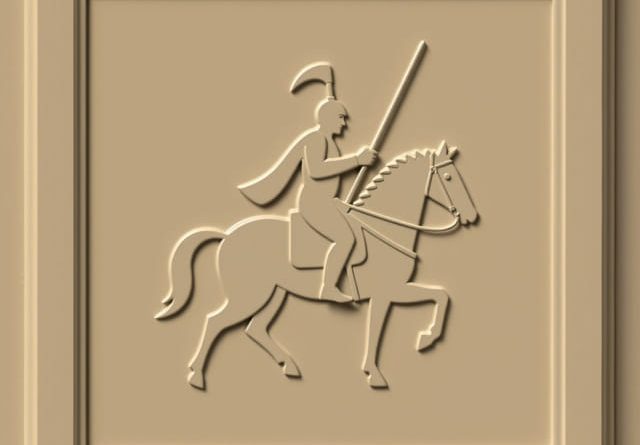
Another Word For Cavalryman
The role of a cavalryman has been a significant part of military history for centuries, symbolizing mobility, speed, and strategic power on the battlefield. Often depicted as a soldier mounted on horseback, a cavalryman was not only a fighter but also a scout, messenger, and protector of the army’s flanks. The evolution of military tactics has changed the nature of mounted units, but the term cavalryman” remains embedded in historical, literary, and contemporary contexts. Understanding alternative words for cavalryman can enrich our vocabulary, enhance comprehension of historical texts, and provide clarity when discussing military history or modern equivalents in various forms of armed forces.
Defining a Cavalryman
A cavalryman traditionally refers to a soldier who serves in a cavalry unit, primarily trained for mounted combat. These soldiers were crucial in pre-modern warfare, where speed, mobility, and the psychological impact of a mounted charge could determine the outcome of battles. Beyond combat, cavalrymen often performed reconnaissance, pursued fleeing enemies, and facilitated communication across battlefields. The term itself conveys both a professional role and a distinctive lifestyle associated with horsemanship, discipline, and martial skill.
Historical Context of Cavalrymen
Throughout history, cavalrymen have held pivotal roles in different civilizations. In ancient Rome, mounted soldiers complemented the infantry with rapid movement and flanking maneuvers. During the medieval era, knights served as heavily armored cavalrymen, often carrying the dual responsibilities of warfare and social status. In more modern times, cavalry units adapted to technological changes, transitioning from horses to mechanized vehicles while maintaining the core principles of mobility and rapid response.
Alternative Words for Cavalryman
While “cavalryman” is a widely recognized term, multiple alternative words capture similar meanings depending on historical context, cultural background, or modern military adaptations. These synonyms may emphasize the role, skill set, or historical period of the mounted soldier.
Historical Synonyms
- Mounted SoldierA general term for any soldier fighting on horseback, encompassing cavalrymen across different eras.
- KnightCommonly used in medieval Europe, emphasizing chivalry, armor, and the social rank of mounted warriors.
- HorsemanHighlights the horsemanship skill of the soldier and is often used in both historical and literary contexts.
- LancerA cavalryman specialized in using a lance during charges, particularly in 18th and 19th-century European armies.
- DragoonOriginally mounted infantry trained to fight on foot and horseback, later evolving into conventional cavalry units.
Modern Military Equivalents
With the decline of traditional horse-mounted units, modern militaries have developed new roles that maintain the mobility and rapid-response characteristics of cavalrymen. These roles often carry the legacy of the cavalryman, even if horses are no longer involved.
- Armored TrooperRefers to soldiers operating armored vehicles, tanks, or mechanized units, carrying the principles of cavalry mobility and firepower into modern warfare.
- Reconnaissance SoldierEmphasizes the scouting and rapid information-gathering role traditionally performed by cavalrymen.
- Mounted TrooperUsed in ceremonial or law enforcement contexts, particularly police units that use horses for crowd control and patrol.
Figurative and Literary Uses
The concept of a cavalryman extends beyond military history into figurative and literary language. Authors and historians often use “cavalryman” metaphorically to describe individuals or groups who arrive swiftly to assist or intervene during crises. Understanding these usages can deepen comprehension of literature, historical texts, and modern media references.
Examples of Figurative Synonyms
- SaviorDescribes someone who comes to the aid of others quickly, akin to how cavalrymen would reinforce battle positions.
- RescuerEmphasizes the protective and interventionist qualities historically associated with cavalrymen.
- Rapid Response ForceA modern metaphorical term reflecting the historical function of cavalry in terms of speed and decisive action.
Cultural Variations in Terminology
Different cultures have their own terms for cavalrymen, reflecting unique military traditions and historical contexts. Recognizing these terms broadens our understanding of global military history and the diverse ways mounted soldiers have been perceived.
- SamuraiIn feudal Japan, samurai often served as mounted warriors, blending the cavalry role with social and political authority.
- GhulamIn certain Middle Eastern contexts, ghulams were cavalrymen serving royal armies, often with specialized training and equipment.
- CossackRefers to cavalry soldiers from Eastern Europe and Russia, known for their horsemanship, mobility, and irregular warfare tactics.
- HussarEuropean light cavalrymen celebrated for their speed, flamboyant uniforms, and tactical versatility during the 17th to 19th centuries.
Practical Implications of Understanding Synonyms
Knowing alternative words for cavalryman is valuable for educators, historians, writers, and enthusiasts. It enhances the accuracy of historical writing, improves cross-cultural comprehension, and provides richer vocabulary for discussing military strategy, literature, and media depictions of soldiers.
Applications in Writing and Research
- Historical ResearchUsing precise terminology helps accurately describe units, roles, and periods in historical documents and academic papers.
- Creative WritingWriters can use synonyms to evoke specific imagery, mood, or cultural context when depicting mounted soldiers.
- Education and TeachingTeaching alternative terms allows students to understand the nuances between different types of cavalry units and their historical significance.
- Media AnalysisUnderstanding historical and figurative synonyms helps interpret films, literature, and games that reference cavalrymen or mounted units.
The term “cavalryman” embodies a rich historical and cultural tradition of soldiers trained for mounted combat, rapid movement, and strategic intervention. Exploring alternative words, such as mounted soldier, knight, lancer, dragoon, and modern equivalents like armored trooper or reconnaissance soldier, allows us to appreciate the evolution of military roles and the enduring legacy of the cavalry in history and literature. Recognizing cultural variations, figurative applications, and practical usage enhances our comprehension of historical texts, modern military organization, and narrative depictions. Whether in historical research, creative writing, or strategic studies, understanding synonyms for cavalryman adds depth, clarity, and precision to discussions about these remarkable soldiers who have shaped military tactics and captured the imagination of generations.