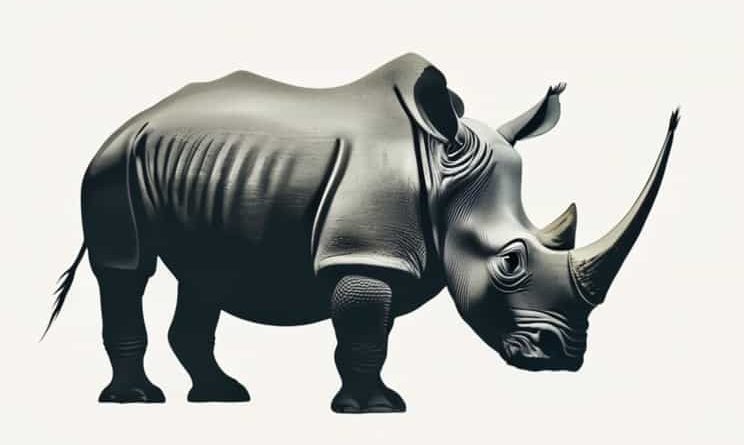
The Northern White Rhino Extinct
The Northern White Rhino, once roaming the grasslands and savannas of central Africa, has tragically reached the brink of extinction, marking one of the most poignant losses in modern wildlife conservation. For decades, conservationists have struggled to protect this majestic species from poaching, habitat loss, and political instability in its native regions. Despite numerous efforts to breed and preserve the Northern White Rhino, the population has dwindled to just a handful of individuals, and as of recent reports, the species is considered functionally extinct in the wild. This loss highlights the urgent need for global awareness and proactive measures to protect other endangered species before it is too late.
Historical Range and Habitat
The Northern White Rhino (Ceratotherium simum cottoni) historically inhabited areas in northern Democratic Republic of Congo, southern Sudan, and parts of Uganda and the Central African Republic. These rhinos favored open savannas, grasslands, and lightly wooded areas, where they could graze on a variety of grasses, shrubs, and leaves. Their habitat provided essential resources such as water sources and mud wallows, which helped them regulate body temperature and protect their sensitive skin from insects and sunburn.
Distinct Characteristics
Northern White Rhinos were distinguished from their southern counterparts by subtle differences in size, horn shape, and skull structure. Males could weigh up to 2,300 kilograms, while females were slightly smaller. They had two prominent horns on their snouts, which unfortunately made them prime targets for poachers seeking rhino horn for traditional medicine and ornamental purposes. Their thick, grayish skin and powerful build were adaptations to their environment, enabling them to travel long distances in search of food and water.
Threats to Survival
The decline of the Northern White Rhino was driven primarily by human activity. Poaching for rhino horns, fueled by illegal wildlife trade, decimated populations over decades. Habitat destruction due to agriculture, logging, and infrastructure development further fragmented their living spaces, making it difficult for rhinos to find sufficient food and mates. Additionally, political instability in the regions they inhabited hindered conservation efforts and left rhinos vulnerable to hunting and neglect.
Poaching Crisis
Rhino horn has been highly valued in certain cultures for its supposed medicinal properties and as a status symbol. Despite international bans on the trade of rhino horn, poaching persisted, leading to dramatic population declines. In the 20th century, Northern White Rhinos were reduced from hundreds in the wild to only a few dozen. Conservationists worked tirelessly to protect remaining individuals, but the relentless pressure from poachers made survival increasingly precarious.
Conservation Efforts
Recognizing the urgent need to save the species, numerous conservation organizations and governments implemented protective measures. National parks and wildlife reserves were established, and anti-poaching patrols were intensified. International collaborations sought to breed Northern White Rhinos in captivity, with some individuals relocated to zoos and sanctuaries in Kenya and elsewhere. These efforts, while commendable, faced significant challenges due to the limited number of surviving rhinos and difficulties in encouraging natural breeding.
Captive Breeding Programs
Captive breeding became a central strategy in the attempt to prevent extinction. Facilities such as the Ol Pejeta Conservancy in Kenya became the final refuge for the remaining Northern White Rhinos. However, breeding efforts were hindered by low fertility rates, aging individuals, and a lack of genetic diversity. Despite advanced reproductive technologies, including artificial insemination using stored sperm from deceased males, producing viable offspring proved extremely difficult. The death of the last male Northern White Rhino, Sudan, in 2018 marked a devastating milestone, leaving only two females incapable of natural reproduction.
Scientific Approaches to Preservation
In light of the functional extinction, scientists have explored cutting-edge technologies to preserve the species. Techniques such as in vitro fertilization, stem cell research, and cloning have been proposed as potential avenues to revive the Northern White Rhino population. Researchers have successfully harvested eggs and preserved genetic material, hoping to create embryos using surrogate southern white rhino females. While these methods are still experimental, they represent a glimmer of hope that the species could one day be restored, albeit in a highly controlled environment.
Global Awareness and Support
Efforts to save the Northern White Rhino have also emphasized public awareness and international support. Documentaries, media campaigns, and educational programs have highlighted the plight of the species, inspiring individuals, organizations, and governments to take action. Fundraising and donations have supported anti-poaching patrols, sanctuary operations, and scientific research. This global engagement underscores the importance of collective responsibility in wildlife conservation.
Implications of Extinction
The extinction of the Northern White Rhino carries significant ecological, cultural, and symbolic implications. Ecologically, the loss of a keystone species can disrupt ecosystems, affecting plant growth, other herbivores, and predator-prey dynamics. Culturally, rhinos have held symbolic significance in African traditions and have been integral to wildlife tourism, which supports local economies. Symbolically, the extinction serves as a stark reminder of humanity’s impact on the natural world and the urgent need to protect biodiversity.
Lessons Learned
The decline and extinction of the Northern White Rhino teach valuable lessons about conservation. Early intervention, robust anti-poaching measures, and habitat protection are crucial for preventing similar tragedies. Additionally, the importance of genetic diversity and sustainable population management cannot be overstated. Conservation efforts must balance scientific innovation with on-the-ground protection to ensure that other endangered species do not suffer the same fate.
Future Prospects
While the Northern White Rhino is functionally extinct in the wild, the story is not entirely over. Scientific advancements in reproductive technology may eventually allow for the resurrection of the species in a controlled setting. However, such efforts require extensive resources, international cooperation, and ongoing commitment. Conservationists emphasize that the ultimate goal should be the protection of entire ecosystems, ensuring that species can thrive naturally without the constant threat of human interference.
Broader Conservation Efforts
The extinction of the Northern White Rhino has galvanized broader conservation initiatives aimed at protecting endangered species worldwide. Anti-poaching laws, habitat restoration projects, and community-based conservation programs are being strengthened. International collaborations are increasingly recognized as essential for tackling wildlife crime, promoting biodiversity, and preserving the planet’s natural heritage for future generations.
The Northern White Rhino’s tragic decline and functional extinction in the wild serve as a somber reminder of the fragility of life and the consequences of human actions on the environment. Despite extraordinary efforts by conservationists, scientists, and governments, this iconic species has been pushed to the edge of existence. Its story underscores the urgent need for proactive conservation, global awareness, and innovative solutions to protect endangered species before it is too late. While hope remains through advanced scientific techniques, the legacy of the Northern White Rhino calls upon humanity to cherish and safeguard the planet’s biodiversity, ensuring that other species do not meet the same fate. Protecting wildlife today is not just about saving individual species—it is about preserving the intricate balance of ecosystems and maintaining a world rich in natural wonders for generations to come.