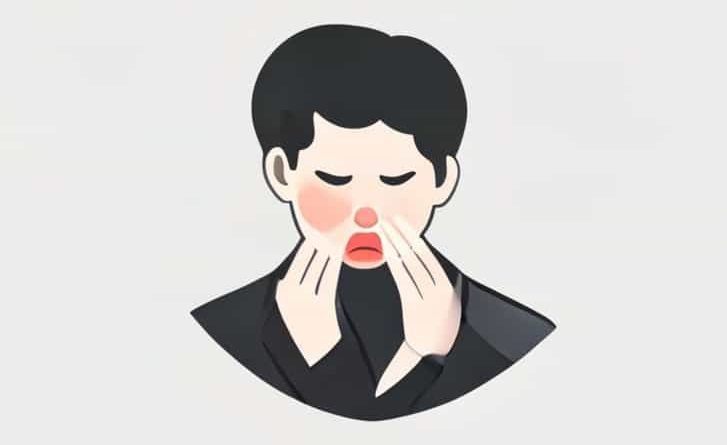
How Does My Throat Hurt When I Swallow
Experiencing pain in your throat when you swallow can be uncomfortable and worrying. Many people encounter this symptom at some point in their lives, and it can range from a mild irritation to severe pain. Understanding why your throat hurts when swallowing is important because it helps you identify whether it is caused by a simple infection, irritation, or a more serious medical condition. The sensation of pain while swallowing, known medically as odynophagia, can occur suddenly or gradually and may be accompanied by other symptoms such as fever, cough, or swollen lymph nodes. Knowing the possible causes, symptoms, and treatments can help you manage the discomfort effectively.
Common Causes of Throat Pain When Swallowing
There are several reasons why your throat may hurt when you swallow, ranging from minor infections to more serious conditions. Understanding the common causes can help you determine when to seek medical attention.
Viral Infections
One of the most frequent causes of throat pain is a viral infection, such as the common cold or flu. Viruses can irritate the lining of the throat, causing inflammation and soreness. Symptoms often include
- Runny or stuffy nose
- Coughing and sneezing
- Mild fever
- Fatigue or general body aches
Viral throat infections usually resolve on their own within a week or two, and over-the-counter remedies can help relieve discomfort.
Bacterial Infections
Bacterial infections, like strep throat caused by Streptococcus bacteria, can also lead to painful swallowing. Unlike viral infections, bacterial infections may require antibiotics to prevent complications. Common signs of bacterial throat infections include
- Sudden, severe sore throat
- Red, swollen tonsils, sometimes with white patches
- Fever and chills
- Swollen lymph nodes in the neck
If you suspect a bacterial infection, it is important to see a healthcare professional for proper diagnosis and treatment.
Acid Reflux and GERD
Gastroesophageal reflux disease (GERD) occurs when stomach acid flows back into the esophagus, sometimes reaching the throat. This acid can irritate the throat lining, causing pain during swallowing. Additional symptoms of acid reflux may include
- Burning sensation in the chest or throat (heartburn)
- Hoarseness or chronic cough
- Feeling of a lump in the throat
Lifestyle changes such as avoiding spicy foods, eating smaller meals, and not lying down immediately after eating can reduce throat pain caused by acid reflux.
Allergies and Irritants
Allergies to pollen, dust, or pet dander can inflame the throat, making swallowing uncomfortable. Environmental irritants such as smoke, pollution, or strong chemicals can also contribute to throat pain. Symptoms linked to allergies or irritants may include
- Sneezing and nasal congestion
- Itchy or watery eyes
- Scratchy or irritated throat
Managing allergies with antihistamines, avoiding triggers, and keeping the air clean can help relieve pain when swallowing.
Other Potential Causes
Tonsillitis
Tonsillitis is an inflammation of the tonsils, often caused by viral or bacterial infections. Swallowing becomes painful due to swollen tonsils. Other symptoms may include
- Red and enlarged tonsils
- White or yellow coating on the tonsils
- Fever and fatigue
- Bad breath
In severe cases, medical intervention may be needed, including antibiotics for bacterial tonsillitis or, rarely, tonsil removal.
Throat Injury or Irritation
Physical injury or irritation from excessive coughing, shouting, or swallowing hard foods can also cause pain. Sometimes, minor cuts, burns from hot liquids, or sharp foods can damage the throat lining, making swallowing painful. Resting the voice, staying hydrated, and consuming soft foods can aid recovery.
Other Medical Conditions
Less commonly, pain when swallowing may be linked to conditions such as
- Esophageal disorders, including inflammation or narrowing of the esophagus
- Throat cancer, which may present with persistent pain or difficulty swallowing
- Infections like mononucleosis or tonsil abscesses
These conditions are less common but require medical evaluation, especially if symptoms persist or worsen over time.
When to See a Doctor
Most throat pain from minor infections or irritants improves on its own. However, medical attention is necessary if you experience any of the following
- Severe or worsening pain that does not improve within a few days
- Difficulty breathing or swallowing liquids
- High fever or persistent chills
- Swollen neck lymph nodes or visible pus on the tonsils
- Unexplained weight loss or persistent hoarseness
Early diagnosis and treatment can prevent complications and speed up recovery, especially for bacterial infections or more serious underlying conditions.
Home Remedies and Self-Care
There are several ways to relieve throat pain at home while waiting for symptoms to improve or alongside medical treatment
- Gargling with warm salt water to reduce inflammation
- Drinking warm liquids like tea or soup to soothe the throat
- Staying hydrated to prevent dryness
- Using over-the-counter pain relievers or throat lozenges
- Resting the voice to avoid further irritation
Maintaining good hygiene, such as washing hands frequently and avoiding close contact with sick individuals, can also prevent infections that cause throat pain.
Throat pain when swallowing can arise from a variety of causes, ranging from viral or bacterial infections to acid reflux, allergies, or physical irritation. While most cases are mild and improve with home care, persistent or severe pain may indicate a more serious condition that requires medical evaluation. Understanding the common causes and symptoms allows you to take appropriate steps to manage discomfort and seek help when necessary. Paying attention to your throat health, staying hydrated, and practicing preventive measures can reduce the frequency and severity of painful swallowing episodes, promoting overall well-being.