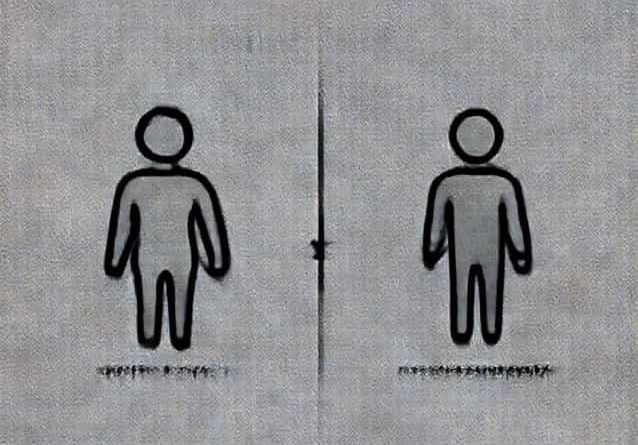
How Are Bulimia And Anorexia Difference
Eating disorders are serious mental health conditions that affect millions of people worldwide, with bulimia and anorexia being two of the most well-known types. While both disorders involve unhealthy relationships with food, body image, and weight, they differ significantly in their behaviors, symptoms, and psychological impact. Understanding these differences is essential for early recognition, proper treatment, and supportive care. This topic explores how bulimia and anorexia differ in terms of physical signs, psychological factors, treatment approaches, and long-term consequences, providing a clear overview for individuals, families, and healthcare professionals.
Definition and Overview
Anorexia nervosa and bulimia nervosa are categorized as eating disorders in the Diagnostic and Statistical Manual of Mental Disorders (DSM-5). Anorexia is characterized primarily by extreme food restriction, intense fear of gaining weight, and distorted body image. Bulimia, on the other hand, is defined by repeated episodes of binge eating followed by compensatory behaviors such as vomiting, excessive exercise, or the misuse of laxatives. While both disorders can be life-threatening and involve serious physical and mental health complications, their core behaviors and motivations are distinct.
Key Differences in Behavior
- AnorexiaIndividuals restrict caloric intake and often engage in extreme dieting, fasting, or over-exercising to avoid weight gain.
- BulimiaIndividuals experience episodes of consuming large amounts of food in a short period (bingeing) and attempt to counteract it through purging or other compensatory behaviors.
- Food RelationshipIn anorexia, food is often feared and controlled meticulously, whereas in bulimia, food may be a source of temporary relief or emotional coping.
- Body ImageBoth disorders involve distorted perceptions of body image, but anorexia often involves extreme thinness as a goal, while bulimia may involve normal or fluctuating weight levels.
Physical Symptoms and Health Effects
The physical manifestations of anorexia and bulimia differ due to the contrasting behaviors associated with each disorder. Anorexia is typically associated with severe weight loss, malnutrition, and overall frailty. Bulimia, while sometimes associated with normal body weight, can still cause significant physical damage due to repeated cycles of bingeing and purging.
Anorexia Symptoms
- Extreme thinness or emaciation.
- Intense fear of gaining weight despite being underweight.
- Fatigue, dizziness, and fainting due to malnutrition.
- Dry skin, brittle hair, and hair loss.
- Irregular or absent menstrual cycles in females.
- Slow heart rate, low blood pressure, and risk of organ failure.
Bulimia Symptoms
- Frequent episodes of binge eating, often in secrecy.
- Self-induced vomiting or misuse of laxatives and diuretics.
- Swelling in cheeks or jaw due to repeated vomiting.
- Dental erosion and gum disease from stomach acid exposure.
- Fluctuating weight, which can make detection more difficult.
- Electrolyte imbalances, dehydration, and potential heart problems.
Psychological Factors
Both anorexia and bulimia are strongly influenced by psychological and emotional factors. Issues such as low self-esteem, perfectionism, anxiety, and trauma often contribute to the development and persistence of these disorders. While both conditions involve distorted body image, the ways in which individuals cope with emotions and control their eating behaviors are different.
Psychological Traits in Anorexia
- High need for control, often extending beyond food to other areas of life.
- Perfectionism and unrealistic standards of appearance or achievement.
- Fear-driven behavior focused on restricting food and weight loss.
- Social withdrawal or isolation due to preoccupation with body image.
Psychological Traits in Bulimia
- Impulsive behavior and difficulty regulating emotions.
- Bingeing as a coping mechanism for stress, sadness, or anxiety.
- Feelings of shame, guilt, or loss of control after binge episodes.
- Secrecy and hidden behaviors due to embarrassment about eating patterns.
Diagnosis and Treatment
Diagnosing anorexia and bulimia requires a comprehensive evaluation by medical and mental health professionals. The approach may involve physical exams, psychological assessments, and discussions of eating habits and behaviors. Treatment strategies differ based on the type of disorder, severity, and individual needs, though both conditions often require a multidisciplinary approach including medical, nutritional, and psychological care.
Treatment for Anorexia
- Medical stabilization to address malnutrition and organ risks.
- Nutritional counseling to restore healthy eating patterns.
- Cognitive-behavioral therapy (CBT) to challenge distorted body image and fear of weight gain.
- Family-based therapy, especially for adolescents, to support recovery.
Treatment for Bulimia
- CBT focused on reducing binge-purge cycles and managing triggers.
- Medication, such as antidepressants, to support emotional regulation.
- Nutrition education to promote balanced eating without restriction.
- Support groups to address shame and provide accountability.
Long-Term Consequences
Both anorexia and bulimia carry serious long-term risks if left untreated. While anorexia’s risks are largely related to starvation and organ failure, bulimia’s dangers stem from the repeated strain of binge-purge cycles on the body. Recovery can be long and challenging, but early intervention significantly improves outcomes for both disorders.
Potential Complications in Anorexia
- Severe malnutrition and electrolyte imbalance.
- Bone density loss leading to osteoporosis.
- Heart problems and increased risk of sudden cardiac arrest.
- Reproductive health issues, including infertility.
Potential Complications in Bulimia
- Chronic digestive issues, including acid reflux and esophageal tears.
- Dental erosion and oral health problems.
- Electrolyte disturbances leading to heart arrhythmias.
- Mental health challenges, including depression and anxiety.
While bulimia and anorexia share similarities as serious eating disorders, they differ significantly in behaviors, physical symptoms, psychological traits, and treatment needs. Anorexia is primarily characterized by food restriction and extreme weight loss, whereas bulimia involves cycles of binge eating and compensatory behaviors. Understanding these differences is essential for recognizing the disorders, providing appropriate support, and implementing effective treatment strategies. Both conditions require early intervention, professional care, and long-term management to reduce risks and promote recovery. Educating individuals, families, and healthcare providers about these differences helps improve outcomes and fosters a greater understanding of the complexities of eating disorders.
This topic is approximately 1,020 words, formatted with `
`, `
`, `
`, and `
- ` tags, written in clear, accessible English, and includes SEO-relevant keywords such as “bulimia, “anorexia, “eating disorders, “mental health, “symptoms, “treatment, and “differences between anorexia and bulimia.