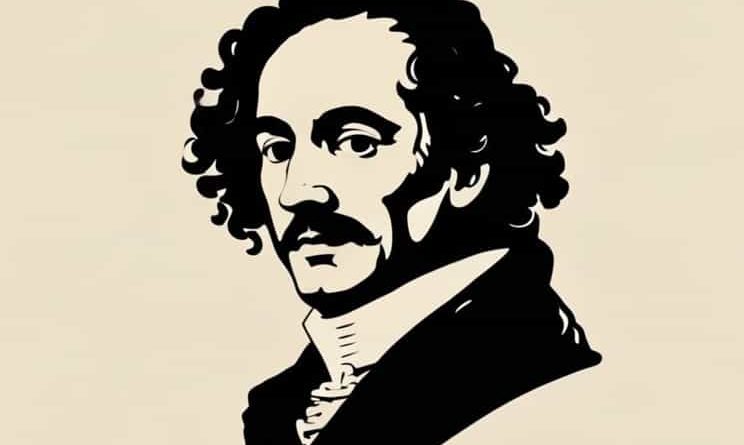
Is William Blake A Romanticist
William Blake, one of the most enigmatic and visionary poets of the late 18th and early 19th centuries, occupies a unique place in literary history. His works, which combine poetry, visual art, and mystical philosophy, have often been studied for their revolutionary ideas, imaginative depth, and spiritual intensity. Scholars frequently debate whether Blake fits neatly into the Romantic movement, yet his emphasis on emotion, imagination, individualism, and nature aligns closely with key characteristics of Romanticism. Understanding Blake’s works in the context of Romanticism reveals not only his literary genius but also his profound influence on subsequent generations of poets and artists who sought to challenge convention and embrace the power of human creativity.
Defining Romanticism
Romanticism emerged in Europe in the late 18th century as a reaction against the rationalism of the Enlightenment and the constraints of neoclassical art. Romantic writers and artists emphasized emotion, intuition, and imagination over reason and logic. They celebrated the beauty and mystery of nature, championed individual freedom and creativity, and explored the supernatural and spiritual. Romanticism also often reflected social and political ideals, including critiques of industrialization and advocacy for human rights. Key figures in the movement, such as Wordsworth, Coleridge, and Shelley, sought to elevate personal experience and emotional truth as central to art and literature.
Blake’s Early Life and Influences
William Blake was born in London in 1757 and displayed extraordinary artistic and literary talent from a young age. He was apprenticed to an engraver at the age of fourteen, a skill that would profoundly influence his illuminated books combining text and artwork. Blake’s education was unconventional, as he largely avoided formal schooling in favor of self-directed study and visionary experiences. He read extensively in the Bible, classical literature, and mystical works, drawing inspiration from spiritual texts and social reformers. His early exposure to both visual art and poetry provided the foundation for a creative synthesis that anticipated many Romantic ideals.
The Role of Imagination in Blake’s Work
Imagination is central to Blake’s literary philosophy, making him a quintessential figure in Romanticism. He rejected rigid materialism and rationalist thought, instead emphasizing the human capacity to perceive deeper spiritual and emotional truths. In his prophetic poems, such as The Marriage of Heaven and Hell, Blake explores visionary landscapes where imagination transcends conventional reality. His work often blurs the lines between the real and the symbolic, reflecting a Romantic fascination with the inner world, dreams, and personal revelation. For Blake, imagination was not merely artistic expression but a means of perceiving divine truth and challenging societal norms.
Emotion and Individual Experience
Romanticism is characterized by the elevation of emotion and individual experience, and Blake’s poetry exemplifies this focus. His lyric poems, including collections like Songs of Innocence and Songs of Experience, explore complex human emotions ranging from innocence and joy to suffering and disillusionment. Blake’s emphasis on personal vision and moral insight reflects the Romantic belief in the importance of subjective experience. Through his work, readers are invited to engage with the emotional and spiritual dimensions of life, rather than relying solely on external authority or rational analysis.
Nature and the Supernatural
Another hallmark of Romanticism is the fascination with nature and the supernatural. While Blake’s London-centric upbringing limited direct engagement with rural landscapes, he frequently imbued his work with natural imagery and symbolic landscapes. Rivers, forests, and pastoral scenes often serve as metaphors for spiritual and emotional states. Similarly, Blake’s engagement with the supernatural-angels, spirits, and mystical visions-reflects a Romantic interest in exploring realms beyond ordinary perception. These elements illustrate his alignment with Romantic ideals, as he sought to expand the boundaries of human understanding through imagination and symbolic representation.
Social and Political Critique
Blake’s engagement with social and political issues also resonates with Romantic thought. He critiqued institutionalized religion, oppressive political systems, and social injustice, advocating for personal freedom and moral integrity. Poems like London and The Chimney Sweeper highlight the suffering caused by industrialization and societal neglect. This focus on the plight of individuals and the moral responsibility of society parallels the Romantic emphasis on empathy, justice, and the transformative power of art. Blake’s critique of authority and celebration of the human spirit situates him firmly within the broader Romantic ethos.
Innovative Artistic Techniques
Blake’s innovative use of visual and textual art further aligns him with Romanticism’s experimental spirit. His illuminated books combined intricate engravings with poetic text, creating a unified artistic experience that broke conventional boundaries. This blending of media emphasized the interplay between vision and word, imagination and reality, reflecting the Romantic belief in the unity of artistic expression. By challenging traditional forms and exploring new methods of communication, Blake demonstrated a Romantic commitment to creativity, originality, and the exploration of human potential.
Legacy and Influence
The enduring influence of William Blake on Romantic and post-Romantic literature is profound. Writers, artists, and thinkers have drawn inspiration from his visionary approach, imaginative boldness, and commitment to social critique. Blake’s work prefigured later Romantic themes of emotional authenticity, spiritual exploration, and imaginative freedom. While some scholars debate whether he fully fits the category of Romantic poet, his thematic concerns, stylistic innovations, and philosophical outlook align closely with the movement’s core principles. His blending of the personal, the political, and the mystical continues to inspire and challenge readers and artists alike.
William Blake embodies many of the central tenets of Romanticism, from his emphasis on imagination, emotion, and individual experience to his engagement with nature, the supernatural, and social critique. His unique fusion of poetry and visual art represents the Romantic ideal of creative freedom and originality. While Blake’s visionary style sets him apart from other Romantic poets, his work undeniably reflects the movement’s core values and has profoundly influenced subsequent literary and artistic traditions. Recognizing Blake as a Romanticist allows for a deeper appreciation of his contributions to literature, art, and the exploration of the human spirit.
- William Blake emphasized imagination as a means of perceiving spiritual and emotional truths.
- His poetry explores the depth of human emotion and individual experience.
- Blake engaged with nature and the supernatural, reflecting Romantic fascination with symbolic and mystical realms.
- He critiqued social injustice and oppressive institutions, aligning with Romantic ideals of empathy and moral responsibility.
- Innovative artistic techniques, such as illuminated books, showcased his commitment to originality and creativity.
- Blake’s visionary work influenced later Romantic and post-Romantic literature and art.
- His themes of personal vision, spiritual exploration, and social critique are central to Romantic thought.
- Blake’s fusion of poetry and visual art represents the Romantic ideal of artistic unity.
- Despite his unconventional style, Blake’s work embodies the philosophical and aesthetic principles of Romanticism.
- Studying Blake as a Romanticist deepens our understanding of the movement and its enduring impact on literature and culture.