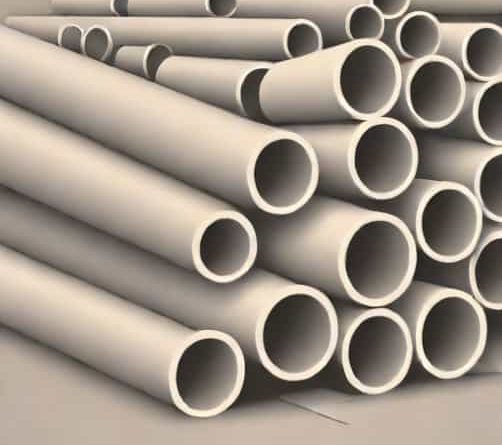
Cement Lined Ductile Iron Pipe
Cement lined ductile iron pipe is one of the most durable and reliable materials used in modern water and wastewater systems. It combines the strength of ductile iron with the corrosion resistance provided by a cement mortar lining. This unique combination ensures long service life, low maintenance, and high efficiency in transporting water or other fluids under pressure. The use of cement lined ductile iron pipe is common in both municipal and industrial applications, offering a balance of performance, longevity, and cost-effectiveness that few other materials can match.
What Is a Cement Lined Ductile Iron Pipe?
A cement lined ductile iron pipe (often abbreviated as CLDI pipe) consists of a ductile iron body coated internally with a layer of cement mortar. The ductile iron provides structural integrity and high tensile strength, while the cement lining protects the inner surface from corrosion and chemical attack. The lining also ensures that the water or fluid transported remains clean and uncontaminated by the metal surface.
This type of pipe was developed as an improvement over older cast iron pipes, which were strong but brittle and prone to corrosion. Ductile iron, introduced in the mid-20th century, offered greater flexibility and impact resistance. When lined with cement mortar, it became even more suitable for demanding infrastructure projects such as water distribution networks, sewage systems, and industrial fluid transport.
How Cement Lined Ductile Iron Pipes Are Made
The manufacturing process of cement lined ductile iron pipe involves several precise steps to ensure durability and consistency
- Pipe castingThe ductile iron pipe body is cast in a controlled environment, ensuring proper shape, thickness, and mechanical properties.
- Surface cleaningThe inner surface of the pipe is cleaned and prepared to ensure strong adhesion between the iron and the cement lining.
- Cement mortar applicationA specially formulated cement mortar mixture is centrifugally applied inside the pipe, forming a uniform and dense lining.
- Curing processThe lined pipe is cured under specific temperature and humidity conditions to harden the cement and form a smooth, durable layer.
- Quality testingEach pipe is inspected for uniformity, adhesion, and surface finish to meet international standards such as ISO 4179 or AWWA C104.
The result is a pipe with a smooth, hard, and chemically stable interior surface that resists corrosion and improves hydraulic performance.
Advantages of Cement Lined Ductile Iron Pipe
Cement lined ductile iron pipes offer several significant advantages over other piping materials such as steel, PVC, or concrete. These benefits make them a preferred choice in infrastructure development.
1. Corrosion Resistance
The cement mortar lining acts as a barrier between the iron and the water, preventing direct contact and minimizing electrochemical corrosion. This makes CLDI pipes especially suitable for both potable water and wastewater applications, even in corrosive soils or aggressive environments.
2. Long Service Life
When properly installed, cement lined ductile iron pipes can last for more than 100 years. The combination of ductile iron’s mechanical strength and the cement lining’s protective properties contributes to this remarkable durability.
3. High Strength and Flexibility
Ductile iron has a unique ability to withstand high internal pressures while maintaining flexibility under external loads. This means the pipes can resist ground movement, traffic vibrations, and installation stresses without cracking or breaking.
4. Smooth Flow Characteristics
The smooth cement lining provides a low-friction surface, allowing for efficient water flow. Over time, this helps maintain consistent hydraulic performance and reduces energy costs associated with pumping.
5. Environmental Sustainability
Ductile iron pipes are made primarily from recycled materials, and both the iron and cement are fully recyclable. This makes cement lined ductile iron pipes an environmentally responsible choice for sustainable infrastructure projects.
Applications of Cement Lined Ductile Iron Pipes
Due to their versatility and durability, these pipes are widely used in various sectors. Some of the most common applications include
- Municipal water supply systemsFor the transportation of drinking water from treatment plants to consumers.
- Wastewater and sewage networksThe cement lining provides excellent resistance to acidic or alkaline effluents.
- Industrial processesUsed for conveying process water, cooling water, or chemical solutions.
- Irrigation systemsIdeal for high-pressure irrigation applications in agriculture.
- Fire protection networksReliable under high pressure and temperature variations, making them suitable for fire mains.
Installation and Maintenance
Proper installation is key to maximizing the performance and lifespan of cement lined ductile iron pipes. The pipes are typically joined using push-on or mechanical joints that allow some flexibility and movement, reducing stress at connection points. Care should be taken during handling and installation to avoid damaging the cement lining.
Installation Tips
- Ensure that the trench bottom is properly graded and free of sharp objects.
- Use soft padding or sand bedding to protect the exterior coating.
- Avoid dropping or striking the pipe to prevent lining cracks.
- Inspect joints and gaskets carefully before assembly.
- Flush the pipeline thoroughly before commissioning to remove debris.
Maintenance Practices
Cement lined ductile iron pipes require minimal maintenance, but periodic inspection ensures long-term reliability. Regular checks for leaks, pressure drops, or external corrosion (especially at joints and fittings) are recommended. If damage occurs, the lining can often be repaired using patching compounds or internal relining techniques.
Standards and Specifications
Cement lined ductile iron pipes are manufactured according to international standards to ensure performance and safety. Common standards include
- AWWA C104/A21.4Covers cement-mortar lining for ductile iron pipe and fittings for water.
- ISO 4179Specifies methods for the internal cement mortar lining of ductile iron pipes and fittings.
- BS EN 545European standard for ductile iron pipes, fittings, accessories, and joints for water pipelines.
These standards specify the type of cement, lining thickness, curing process, and quality control measures that must be followed during production.
Comparison with Other Pipe Materials
When choosing a pipe for a specific project, it’s helpful to compare cement lined ductile iron pipes with alternatives such as steel, PVC, or concrete.
- Versus steelCLDI pipes are more resistant to corrosion and require less maintenance than unlined steel pipes.
- Versus PVCWhile PVC is lightweight, it lacks the strength and pressure capacity of ductile iron.
- Versus concreteConcrete pipes are heavier and harder to handle, while ductile iron offers greater flexibility and impact resistance.
For most water and wastewater systems, cement lined ductile iron pipes provide an ideal balance between strength, corrosion resistance, and ease of installation.
Challenges and Considerations
Despite its advantages, cement lined ductile iron pipe also comes with certain considerations. The lining, while durable, can be damaged if mishandled or exposed to extreme pressure fluctuations. Additionally, the initial cost can be higher than some plastic alternatives, though the long-term savings from reduced maintenance often offset this difference.
In environments with very aggressive chemicals, alternative linings such as epoxy or polyethylene may be considered. However, for general water and wastewater use, cement lining remains one of the most cost-effective and proven options available.
Cement lined ductile iron pipe stands as a cornerstone of modern infrastructure, combining mechanical strength with corrosion resistance and long-term durability. Its ability to withstand pressure, resist internal and external corrosion, and maintain water quality makes it an industry standard for both municipal and industrial applications. Whether used for drinking water, sewage, or industrial systems, this pipe offers performance, reliability, and sustainability — essential qualities for any long-lasting pipeline network.