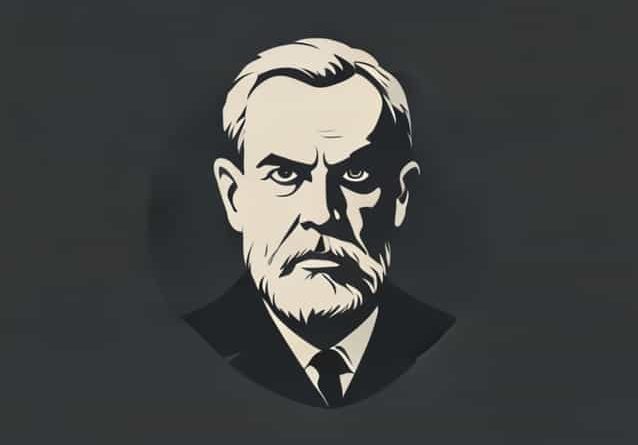
The John O Gaunt Hungerford
In the quiet town of Hungerford stands a name that resonates with history, culture, and legend the John O’ Gaunt Hungerford. More than a mere landmark, it symbolizes centuries of tradition tied to one of England’s most well-known figures, John of Gaunt, the Duke of Lancaster. Many people associate this figure with political influence, power, and patronage, but in Hungerford his legacy takes on a more local, almost mythical form. Exploring the John O’ Gaunt Hungerford reveals not only the history of a man but also the customs, rituals, and stories that have shaped community identity for generations. This unique blend of heritage, folklore, and historical connection makes it a topic worth understanding in greater depth.
The Historical Figure of John of Gaunt
John of Gaunt was born in 1340 and became one of the most powerful noblemen in medieval England. As the third surviving son of King Edward III, he carried both royal blood and significant political power. His title as the Duke of Lancaster gave him vast estates across the country, making him one of the wealthiest men of his time. His influence reached not just politics but also society, with his name being remembered in literature, culture, and local traditions. It is from this backdrop that the story of the John O’ Gaunt Hungerford emerges.
The Link Between John O’ Gaunt and Hungerford
Hungerford, a market town in Berkshire, holds a unique place in John of Gaunt’s legacy. The town came under his lordship, and with his influence came privileges and traditions that endure even today. Local folklore often portrays John O’ Gaunt as a benevolent lord, one who provided rights to the townspeople that others might not have enjoyed in similar communities. These rights and customs have been passed down through generations, preserved in rituals that continue to define the cultural identity of Hungerford.
The Hocktide Tradition
One of the most distinctive legacies of the John O’ Gaunt Hungerford is the Hocktide Festival, an ancient English tradition still celebrated in the town. Hocktide is a spring festival that originally marked the end of Lent and the collection of rents or dues. In Hungerford, however, it takes on a unique flavor linked directly to John of Gaunt. The festival involves ceremonies such as the Tutti-men visiting houses, symbolic offerings of oranges, and the reaffirmation of community bonds.
The townspeople believe that their rights to the river and fishing, among other privileges, stem from the charter or grants associated with John of Gaunt. These customs, reinforced during Hocktide, demonstrate how the legacy of a medieval lord continues to impact a modern English town.
The Tutti-men and Symbolism
Central to Hocktide are the Tutti-men, who carry decorated poles known as tutti-poles. They knock on doors across the town, collecting symbolic dues from residents. These dues are no longer financial but often come in the form of flowers, kisses, or other tokens. The tradition is deeply symbolic of the link between the townspeople and their lord, John O’ Gaunt, whose memory is honored through these reenactments.
This practice illustrates how the John O’ Gaunt Hungerford narrative is not just about history but about living culture. The customs reinforce the sense of community identity while preserving historical memory through collective action.
The Cultural Importance of the John O’ Gaunt Hungerford
Beyond the traditions, the John O’ Gaunt Hungerford holds cultural significance. For the townspeople, it embodies a direct connection to the medieval past. It is a reminder of the privileges granted to the town, rights that distinguished it from neighboring areas. This pride in historical continuity allows residents to preserve a unique identity in a rapidly modernizing world.
Moreover, the presence of John of Gaunt in Hungerford serves as a unifying symbol. The rituals surrounding his name are not only about him as an individual but about the shared experiences of a community that has grown around his legacy.
Folklore and Storytelling
Like many historical figures, John of Gaunt’s legacy in Hungerford is interwoven with folklore. Tales passed down through generations often exaggerate or romanticize his role, casting him as a wise and generous figure who safeguarded the rights of the townspeople. These stories continue to be told during festivals, educational events, and community gatherings, ensuring that the name John O’ Gaunt Hungerford remains alive in public memory.
The Architectural and Local Presence
The legacy of John O’ Gaunt can also be found in Hungerford’s architecture and landmarks. Inns, buildings, and public spaces carry his name, embedding his memory into the physical landscape of the town. These sites serve as daily reminders for locals and as points of curiosity for visitors eager to learn about the town’s deep-rooted history.
Walking through Hungerford, one can sense the layered history, where medieval connections seamlessly blend with modern life. The John O’ Gaunt Hungerford is not confined to books of history but exists in visible, tangible ways that connect past and present.
Educational Value and Historical Research
For historians and scholars, the John O’ Gaunt Hungerford offers fertile ground for study. The town’s unique traditions provide insight into how medieval feudal relationships could evolve into local customs that survive centuries. The blending of legal charters, folklore, and rituals is an invaluable case study for understanding community identity in England.
Schools and educational institutions in Hungerford often highlight this history, allowing students to grow up with a sense of pride and understanding about the town’s heritage. In this way, the intellectual movement surrounding John O’ Gaunt extends beyond tradition into learning and cultural preservation.
Modern Relevance
Today, the John O’ Gaunt Hungerford continues to play a role in local life. The annual festivals draw not only townspeople but also tourists who are eager to witness traditions that are rarely practiced elsewhere. The economic impact of these events is significant, bringing attention and resources to the community.
At a deeper level, the John O’ Gaunt Hungerford serves as a reminder of the importance of preserving cultural heritage. In a world where globalization often erases local identities, the town of Hungerford stands as an example of how traditions rooted in history can remain vibrant and meaningful.
Community Engagement
Modern residents of Hungerford take pride in their role as custodians of these traditions. Participation in Hocktide and other rituals reinforces the idea that heritage is not something stored in museums but lived and experienced. The John O’ Gaunt Hungerford thus becomes more than a historical reference; it becomes a living part of community life.
The story of the John O’ Gaunt Hungerford is one that blends history, folklore, and cultural tradition. It tells of a powerful medieval lord whose influence continues to shape a modern town, not through political power but through rituals, festivals, and shared memory. The name John O’ Gaunt Hungerford stands as a symbol of continuity, reminding us that history is not only about the past but also about how we carry it forward into the present. For residents and visitors alike, this enduring connection makes Hungerford a place where the past truly comes alive.