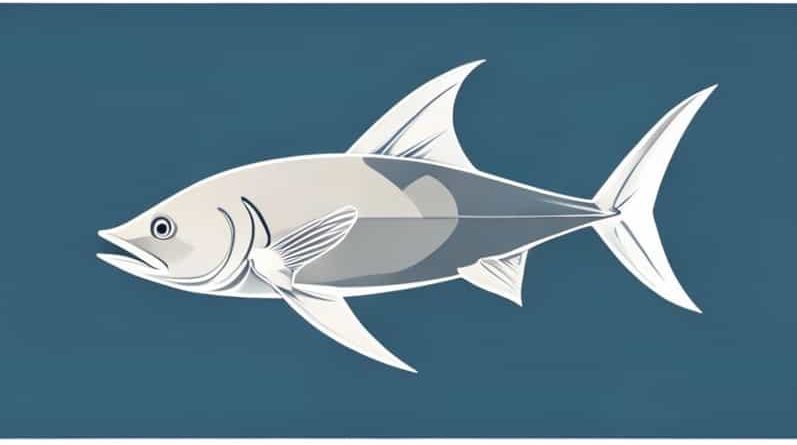
An Example Of A Cartilaginous Fish Is
Cartilaginous fish are a fascinating group of aquatic animals that play an important role in marine ecosystems. Unlike bony fish, their skeletons are made entirely of cartilage, a flexible and lightweight tissue. This unique feature allows them to move gracefully through the water and adapt to a variety of environments. Cartilaginous fish include some of the most well-known species in the ocean, and understanding their characteristics can give us insights into marine biodiversity and the evolution of fish. One example of a cartilaginous fish is the shark, which is widely recognized for its distinctive body shape and powerful swimming ability.
What are cartilaginous fish?
Cartilaginous fish belong to the class Chondrichthyes, which includes sharks, rays, skates, and chimaeras. Unlike bony fish, which have skeletons made of hard bone, cartilaginous fish have skeletons made of cartilage. Cartilage is lighter than bone and provides flexibility, making it easier for these fish to maneuver in the water. In addition to their unique skeletons, cartilaginous fish have several other distinguishing features
- Paired fins for precise movement
- Placoid scales, also called dermal denticles, which reduce drag and protect the skin
- Well-developed sensory organs, including the lateral line system and electroreceptors
- Internal fertilization in most species, rather than external spawning
Sharks as an example of cartilaginous fish
Sharks are perhaps the most familiar example of cartilaginous fish. They come in a wide variety of sizes, shapes, and habitats, ranging from small species like the dwarf lanternshark to massive ones like the whale shark. Despite their differences, all sharks share the characteristic cartilaginous skeleton that defines this group. The flexibility of cartilage allows sharks to swim efficiently, making them powerful predators in the marine environment.
Sharks also have other features typical of cartilaginous fish, including
- Multiple rows of sharp, replaceable teeth
- Excellent sense of smell and ability to detect electrical signals from prey
- Gills that are exposed and not covered by an operculum, unlike bony fish
- Oily livers that aid in buoyancy and stability in water
Other examples of cartilaginous fish
While sharks are the most recognized, there are many other types of cartilaginous fish. Rays and skates are closely related to sharks but have flattened bodies and enlarged pectoral fins that help them glide along the ocean floor. Chimaeras, sometimes called ghost sharks, are deep-sea fish with long, tapering bodies and unusual jaw structures. These examples demonstrate the diversity within the cartilaginous fish group and how different species have adapted to specific ecological niches.
Rays and skates
Rays and skates are examples of cartilaginous fish that have evolved to live near the sea bottom. Their bodies are flattened dorsoventrally, with pectoral fins that extend like wings. Stingrays, a type of ray, possess a venomous tail spine for defense, while skates typically have smaller, less dangerous spines. Both groups rely on their cartilaginous skeletons to maintain flexibility and allow smooth movement across sandy or muddy ocean floors.
Chimaeras
Chimaeras, also called ghost sharks or ratfish, are another example of cartilaginous fish. They are less well-known than sharks or rays and typically inhabit deep-sea environments. Chimaeras have long, whip-like tails and unique jaws that differ from those of sharks. Their skeletons, like other cartilaginous fish, are made of cartilage, which helps them navigate the deep, high-pressure habitats where they live.
Characteristics that distinguish cartilaginous fish from bony fish
Understanding what sets cartilaginous fish apart from bony fish is key to appreciating their unique biology. Here are several important distinctions
- Skeletal structureCartilaginous fish have cartilage skeletons, while bony fish have calcified bones.
- ScalesCartilaginous fish have placoid scales, whereas bony fish typically have cycloid or ctenoid scales.
- ReproductionMost cartilaginous fish practice internal fertilization, while many bony fish release eggs and sperm into the water.
- BuoyancyCartilaginous fish rely on large, oil-filled livers for buoyancy, whereas bony fish have swim bladders.
- Gill structureCartilaginous fish have exposed gill slits, while bony fish have gills covered by an operculum.
Ecological importance of cartilaginous fish
Cartilaginous fish play an essential role in marine ecosystems. Sharks, for example, are top predators that help maintain healthy fish populations and balance food webs. Rays and skates often control populations of bottom-dwelling invertebrates, influencing the structure of benthic habitats. By studying cartilaginous fish, scientists can better understand ocean ecology and the impacts of human activities, such as overfishing and habitat destruction, on marine biodiversity.
Conservation of cartilaginous fish
Many species of cartilaginous fish are facing threats due to overfishing, habitat loss, and pollution. Sharks are particularly vulnerable because of their slow reproductive rates and high value in the fishing industry. Conservation efforts focus on protecting critical habitats, regulating fishing practices, and raising public awareness about the ecological importance of these animals. International agreements and marine protected areas have been established in some regions to safeguard populations of sharks, rays, and other cartilaginous fish.
How humans impact cartilaginous fish
Human activities have significantly affected the survival of cartilaginous fish. Some major impacts include
- Overfishing for meat, fins, and liver oil
- Bycatch in commercial fishing operations
- Habitat destruction from coastal development and pollution
- Climate change affecting ocean temperatures and food availability
Addressing these challenges requires coordinated conservation strategies and sustainable fishing practices to ensure that cartilaginous fish continue to thrive in marine environments.
Cartilaginous fish are a unique and diverse group of marine animals characterized by their cartilage skeletons, flexible bodies, and specialized adaptations. Sharks, rays, skates, and chimaeras all serve as examples of how these fish have evolved to occupy different ecological niches. Understanding their biology, behavior, and ecological importance highlights the need for conservation and sustainable practices. By protecting cartilaginous fish, we preserve not only their species but also the balance and health of ocean ecosystems worldwide.