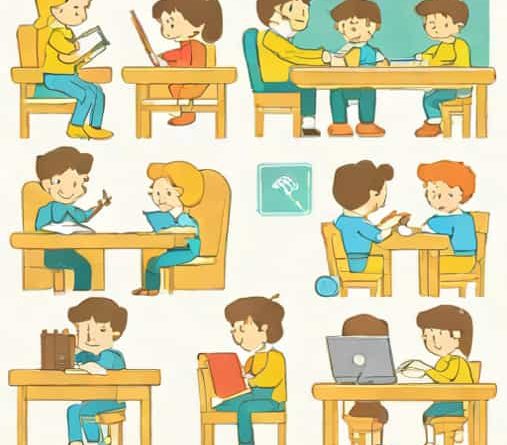
How Is School An Agent Of Socialization
Schools play a crucial role in shaping the social development of individuals and are considered one of the primary agents of socialization. From the first day a child enters a classroom, schools provide an environment where children learn not only academic skills but also social norms, values, behaviors, and interpersonal skills. Through interactions with teachers, peers, and staff, students are introduced to societal expectations and learn how to function effectively within their communities. Understanding how school serves as an agent of socialization is essential for recognizing its impact on personal growth and social development.
Definition of Socialization
Socialization is the lifelong process through which individuals acquire knowledge, values, norms, and behaviors necessary to participate effectively in society. It is through socialization that people learn to interact with others, understand societal roles, and develop their own identity. While family is the primary agent of socialization during early childhood, schools take on a significant role as children grow, providing structured opportunities to learn social and cultural norms.
Role of School in Socialization
Schools act as a major agent of socialization by providing structured and organized environments where children are exposed to societal norms and values. The process occurs through formal education, interactions with peers and teachers, and participation in extracurricular activities. Schools teach students the importance of rules, discipline, cooperation, and respect for authority, which are all essential aspects of functioning in society.
Ways Schools Serve as Agents of Socialization
1. Teaching Social Norms and Values
Schools instill societal norms and values through both formal and informal curricula. Students learn about honesty, responsibility, respect, and fairness through classroom lessons, school rules, and codes of conduct. For example, following classroom rules and respecting teachers teaches children about the importance of discipline and respect for authority, which are crucial social skills.
2. Developing Peer Relationships
Interaction with classmates is a key aspect of socialization. Through group activities, team projects, and classroom discussions, students learn to communicate, collaborate, and resolve conflicts. Peer relationships help children understand concepts like empathy, sharing, and cooperation. These interactions also expose students to diverse perspectives, helping them develop tolerance and acceptance of differences.
3. Encouraging Emotional and Moral Development
Schools provide a supportive environment where students develop emotional intelligence and moral understanding. Teachers and counselors help students navigate challenges, understand the consequences of their actions, and make ethical decisions. Activities such as debating, community service, and classroom discussions encourage critical thinking and moral reasoning, which are important for responsible citizenship.
4. Promoting Cultural Awareness
Schools introduce students to cultural norms, traditions, and societal expectations. Subjects like history, literature, and social studies expose students to diverse cultures and historical experiences, helping them understand societal values and heritage. Celebrating cultural events and participating in multicultural activities also broadens students’ perspectives and fosters appreciation for diversity.
5. Teaching Communication Skills
Effective communication is a vital part of socialization, and schools provide numerous opportunities to develop these skills. Classroom discussions, presentations, debates, and group projects help students learn how to express their thoughts clearly and listen to others attentively. These experiences prepare students to interact confidently in various social settings and professional environments.
Extracurricular Activities as Socialization Tools
Beyond academics, extracurricular activities such as sports, clubs, and arts programs are significant in social development. Participation in these activities teaches teamwork, leadership, time management, and problem-solving skills. For example, being part of a school soccer team encourages cooperation and discipline, while joining a debate club improves critical thinking and public speaking. These experiences complement classroom learning and further reinforce social skills.
Examples of School-Based Socialization
- Group projects teach students how to share responsibilities and work collaboratively.
- School assemblies reinforce communal values and respect for collective traditions.
- Classroom rules teach students the importance of following societal norms.
- Participation in school elections helps students understand democratic processes.
- Community service initiatives encourage empathy and social responsibility.
Impact of School as a Socializing Agent
Schools significantly influence the development of social identity, personality, and behavioral patterns. By providing a structured environment for learning and interaction, schools help students internalize societal norms and expectations. This socialization process affects not only academic success but also long-term personal development, including career readiness, civic engagement, and interpersonal relationships. Schools complement the socialization process begun at home, expanding students’ understanding of societal roles and responsibilities.
Developing Civic Responsibility
Through subjects like civics, history, and social studies, schools educate students about citizenship, rights, and responsibilities. Students learn about the importance of laws, community participation, and ethical behavior. School projects like student councils or volunteer programs offer practical experiences that reinforce civic responsibility and leadership skills.
Preparing for Adult Roles
School-based socialization helps students prepare for adult life by teaching skills necessary for independence and social interaction. Time management, teamwork, communication, problem-solving, and critical thinking are skills learned in school that are essential for personal and professional success. These experiences help students transition from adolescence to adulthood while functioning effectively within society.
Challenges in School-Based Socialization
While schools are effective agents of socialization, they also face challenges that can affect social development. Overemphasis on academic achievement may limit opportunities for social interaction, while bullying and peer pressure can negatively influence behavior. It is important for schools to create supportive, inclusive environments where students feel safe and encouraged to learn both academic and social skills.
- Balancing academics with social skill development
- Addressing peer pressure and bullying
- Ensuring inclusive practices for diverse student populations
- Providing resources for emotional and mental well-being
Schools are indispensable agents of socialization, helping students acquire the knowledge, values, and skills necessary to navigate society effectively. Through academic instruction, peer interaction, extracurricular activities, and cultural education, schools instill social norms, moral values, communication skills, and civic responsibility. By understanding how schools contribute to socialization, educators, parents, and students can appreciate the role of formal education in shaping well-rounded individuals. Recognizing the challenges and maximizing opportunities for social development ensures that schools continue to serve as effective environments for learning, growth, and social integration.