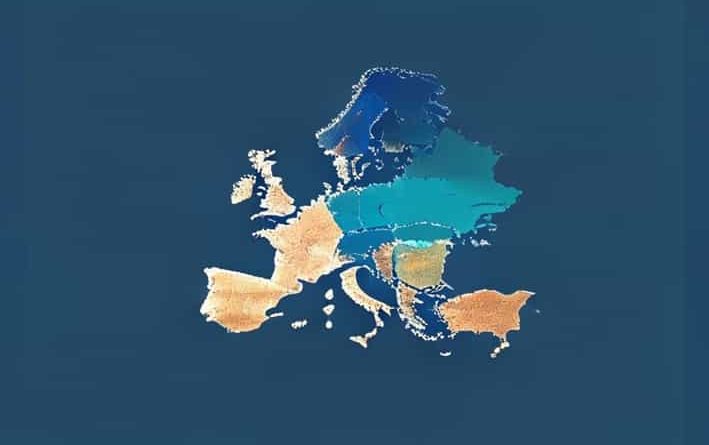
Europe From The Atlantic To The Urals
Europe is often described as a continent of diversity, history, and cultural depth, stretching from the Atlantic Ocean in the west to the Ural Mountains in the east. This vast space includes dramatic coastlines, fertile plains, dense forests, towering mountain ranges, and some of the most influential civilizations in human history. When people speak about Europe from the Atlantic to the Urals, they are referring not only to geography but also to a long-standing idea of Europe as a connected cultural and political space shaped by centuries of migration, conflict, cooperation, and shared heritage.
The Atlantic Edge of Europe
The western boundary of Europe is marked by the Atlantic Ocean, shaping the climate, economy, and identity of many European nations. Countries such as Portugal, Spain, France, Ireland, and the United Kingdom have long coastlines that face the Atlantic, making maritime life central to their development.
The Atlantic influence brings mild temperatures and frequent rainfall, especially in Western Europe. This climate supports agriculture, green landscapes, and dense populations. Historically, Atlantic access allowed European powers to explore, trade, and expand their influence across the globe, particularly during the Age of Exploration.
Coastal Cultures and Maritime Traditions
Life along the Atlantic coast has always been closely tied to the sea. Fishing, shipbuilding, and overseas trade played vital roles in shaping local cultures. Port cities grew into centers of commerce and innovation, connecting Europe with Africa, the Americas, and Asia.
- Strong naval traditions
- Major ports and trade hubs
- Ocean-driven exploration and migration
Western and Central Europe
Moving eastward from the Atlantic coast, Europe transitions into Western and Central Europe, regions known for dense populations, economic power, and cultural influence. Countries like France, Germany, Belgium, the Netherlands, Switzerland, and Austria sit at the heart of this zone.
This part of Europe is characterized by fertile river valleys such as the Rhine, Danube, and Seine. These rivers supported early settlements and later became key transportation routes that encouraged trade and urban growth. Many of Europe’s largest cities developed along these waterways.
Political and Cultural Centers
Western and Central Europe have been the stage for major political developments, including the rise of modern nation-states, democratic institutions, and industrialization. The region has produced influential philosophies, scientific breakthroughs, and artistic movements that shaped global thought.
From medieval kingdoms to modern unions, this area reflects Europe’s ability to adapt while preserving deep historical roots.
Southern Europe and the Mediterranean Influence
While stretching from west to east, Europe also varies greatly from north to south. Southern Europe, including Italy, Greece, and parts of the Balkans, is heavily influenced by the Mediterranean Sea. Although not directly on the Atlantic to Urals line, this region remains essential to understanding Europe as a whole.
Southern Europe is known for its warmer climate, ancient civilizations, and long-standing cultural traditions. The legacy of Ancient Greece and Rome continues to shape European law, politics, and philosophy today.
Historical Foundations of Europe
Many ideas that define Europe originated in the south, including early democracy, legal systems, and architectural styles. These ideas spread north and east over time, helping to unify the continent culturally despite regional differences.
Eastern Europe and the Great Plains
As Europe stretches further east, landscapes open into wide plains and rolling hills. Eastern Europe includes countries such as Poland, Hungary, Ukraine, and parts of the Baltic region. This area has historically served as a crossroads between Western Europe and Asia.
The geography of Eastern Europe made it both a bridge and a battleground. Empires moved through these lands, leaving behind layers of cultural and political influence. Despite facing frequent invasions and shifting borders, Eastern Europe developed strong national identities.
Cultural Diversity and Resilience
Eastern Europe is marked by linguistic diversity, religious traditions, and unique folklore. Slavic, Baltic, and other cultural groups coexist, each contributing to the broader European story.
- Wide agricultural plains
- Mix of Western and Eastern traditions
- Strong historical resilience
The Ural Mountains as Europe’s Eastern Boundary
The Ural Mountains are widely accepted as the eastern boundary of Europe, separating it from Asia. Stretching north to south through western Russia, the Urals are not extremely high but form a clear natural division between two continents.
This boundary is as much cultural as it is geographical. Russia, which spans both Europe and Asia, reflects this dual identity. Western Russia, west of the Urals, has historically been more connected to European political and cultural life.
Symbolic Meaning of the Urals
The idea of Europe from the Atlantic to the Urals gained prominence as a vision of a unified continent, especially during the 20th century. It symbolized the hope that Europe could overcome divisions and recognize shared values across vast distances.
Climate and Natural Diversity Across Europe
One of the most striking features of Europe from the Atlantic to the Urals is its environmental diversity. The Atlantic brings oceanic climates to the west, while continental climates dominate the east, with colder winters and hotter summers.
Forests, mountains, rivers, and plains shape how people live and work across the continent. These natural features influenced settlement patterns, agriculture, and economic development over thousands of years.
How Geography Shapes Society
Coastal regions often focus on trade and fishing, while inland plains support farming and industry. Mountain ranges provide natural borders and resources, while rivers connect distant regions. Europe’s geography helped create both unity and division.
Historical Connections from West to East
Despite differences, Europe has long been connected through trade routes, migration, and shared challenges. Roads, railways, and modern infrastructure now link the Atlantic coast to the far eastern edges of Europe, making movement easier than ever before.
Wars and alliances shaped borders, but cultural exchange never stopped. Music, literature, religion, and technology traveled across Europe, creating a shared foundation that still exists today.
Europe from the Atlantic to the Urals Today
In the modern era, Europe continues to balance unity and diversity. Political organizations, economic cooperation, and cultural exchange bring countries closer together, even as national identities remain strong.
The concept of Europe from the Atlantic to the Urals remains powerful. It represents not just a map, but an idea of a continent connected by history, geography, and shared human experience. From stormy western coasts to the quiet slopes of the Ural Mountains, Europe tells a story of adaptation, endurance, and continuous transformation.