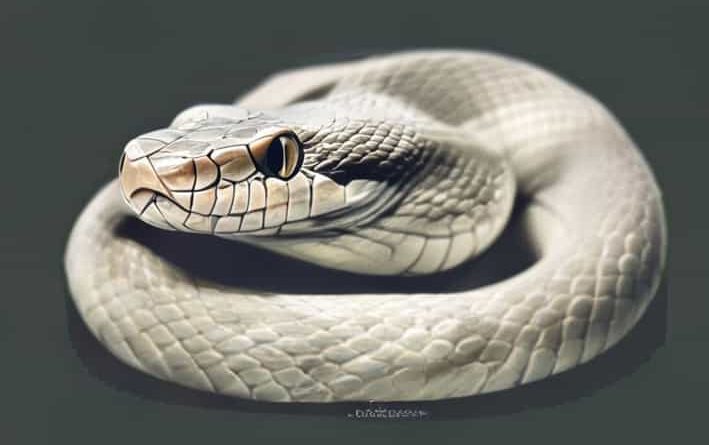
What Does A Cottonmouth Snake Look Like
The cottonmouth snake, also known as the water moccasin, is a venomous snake native to the southeastern United States. It is a fascinating species that has intrigued herpetologists and nature enthusiasts for decades due to its distinctive appearance and behavior. Understanding what a cottonmouth snake looks like is important for safety, wildlife education, and appreciating the unique adaptations of this reptile. Recognizing its physical traits, color patterns, size, and behavior can help people identify cottonmouths in the wild and distinguish them from non-venomous snakes.
General Appearance of a Cottonmouth Snake
Cottonmouth snakes are heavy-bodied, muscular snakes with a distinctively broad, triangular head that differentiates them from non-venomous species. Their body is thick compared to many other snakes, and they often appear darker and more robust. The most notable feature is their mouth, which is lined with white coloration on the inside, giving them the name cottonmouth. This white interior is typically displayed when the snake feels threatened and opens its mouth as a defensive warning.
Color and Pattern
The coloration of a cottonmouth snake can vary depending on age and habitat. Adults usually have dark brown, olive, or black tones, sometimes with faint crossbands that are more visible in younger snakes. Juvenile cottonmouths are often lighter in color, with a tan or brown base and distinct dark crossbands along the body. These patterns help them blend into wetland and forested environments where they hunt and hide.
- Adults Dark brown, olive, or black; crossbands may fade
- Juveniles Light brown or tan with dark crossbands
- Belly Usually a lighter color, sometimes with mottled patterns
- Tail Young cottonmouths may have a yellowish tip, used to lure prey
The combination of color and pattern makes cottonmouths effective ambush predators, allowing them to remain hidden from both prey and potential threats.
Size and Body Structure
Cottonmouth snakes are relatively large compared to other venomous snakes in their range. On average, adult cottonmouths range from 24 to 48 inches (60 to 120 cm) in length, although some individuals can exceed 6 feet (180 cm). They have thick, muscular bodies that taper to a blunt tail, which is often used in hunting and signaling. Their heads are wide and triangular with a pronounced ridge above the eyes, giving them a somewhat menacing look.
Distinctive Features
- Triangular, broad head with noticeable ridge above the eyes
- Thick, muscular body tapering to a blunt tail
- Vertical, elliptical pupils typical of venomous snakes
- White interior of the mouth, visible when threatened
- Scales keeled (rough texture), helping with camouflage in wet environments
The combination of these features makes cottonmouths easily identifiable for those familiar with venomous snakes, and these physical traits also play a role in hunting and defense.
Behavioral Traits and Defensive Displays
Understanding the behavior of cottonmouth snakes is key to recognizing them in the wild. When threatened, cottonmouths are known to exhibit a distinctive defensive posture. They will coil their bodies, raise the front part of their bodies off the ground, and open their mouths wide to display the white interior. This cotton mouth display is a warning to potential predators and humans to stay away. Despite their fearsome reputation, cottonmouths often prefer to retreat rather than attack if given the opportunity.
Habitat and Camouflage
Cottonmouth snakes are semi-aquatic and are commonly found in freshwater environments such as swamps, marshes, rivers, ponds, and lakes. Their coloration and patterns allow them to blend seamlessly into muddy or vegetated areas. They are excellent swimmers and can stay submerged for long periods, further enhancing their camouflage. Juvenile cottonmouths use their yellow-tipped tails to lure small fish and amphibians, a hunting technique called caudal luring.
Differences Between Juveniles and Adults
Juvenile cottonmouths differ from adults in several ways. Besides having more distinct crossbands and a lighter base color, young cottonmouths often display a yellow-tipped tail that adults lose as they mature. This tail tip is a key hunting adaptation used to attract prey. Juveniles are smaller, more agile, and more likely to display defensive behaviors when approached. Adults, being larger and more robust, rely more on their intimidating presence and venomous capabilities to deter threats.
Recognizing Juvenile Cottonmouths
- Light brown or tan body with pronounced crossbands
- Yellow-tipped tail for caudal luring
- Smaller, more slender than adults
- More frequent defensive displays when disturbed
Identifying juvenile cottonmouths is particularly important for safety, as their smaller size may make them harder to see in natural habitats, yet they are still venomous and capable of biting if threatened.
Misidentification and Safety Tips
Cottonmouths are sometimes mistaken for non-venomous water snakes due to their aquatic habitats and similar coloration. Key differences include the triangular head, elliptical pupils, and defensive display. Non-venomous water snakes generally have round pupils and lack the characteristic broad head. Recognizing these distinctions is important for avoiding dangerous encounters.
Safety Measures
- Always observe snakes from a safe distance
- Do not attempt to handle or provoke a cottonmouth
- Wear protective footwear and clothing in areas where cottonmouths are common
- Be cautious when swimming, wading, or fishing in freshwater habitats
- Educate yourself about local snake species to distinguish venomous from non-venomous snakes
Awareness and respect for the cottonmouth’s behavior and appearance can prevent bites and promote coexistence in shared natural environments.
The cottonmouth snake is a distinctive, venomous species found in the southeastern United States, known for its heavy body, triangular head, and white-lined mouth. Its coloration, pattern, and behavior make it a master of camouflage in wetland habitats, while its defensive displays warn predators and humans to maintain a safe distance. Understanding what a cottonmouth looks like-including differences between juveniles and adults, key physical features, and behavioral cues-is essential for safety, education, and appreciation of this fascinating reptile. Recognizing cottonmouths and knowing how to act safely around them helps reduce conflicts and allows people to enjoy the natural habitats where these snakes live while respecting their role in the ecosystem.