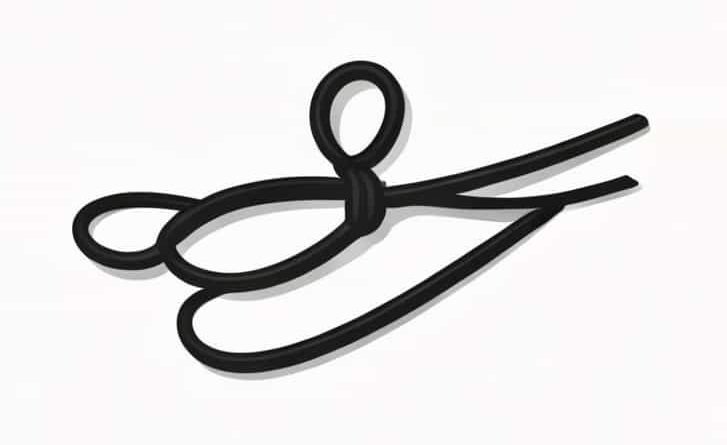
From Noose A Cord Such As A Shoestring
The phrase from noose a cord such as a shoestring may sound unusual at first glance, yet it opens the door to a rich discussion about language, symbolism, and how simple objects can carry powerful meanings. In literature and everyday speech, words like noose and cord are often used beyond their literal definitions. They can suggest tension, danger, restraint, or connection, depending on context. Understanding this phrase requires looking closely at how language transforms ordinary items into symbols that reflect human experience.
Understanding the Literal Meaning of the Words
To begin exploring the phrase, it is helpful to understand its individual components. A cord generally refers to a long, thin, flexible object, such as a rope, string, or lace. A shoestring is a familiar example, something most people handle daily without much thought.
The word noose, on the other hand, refers to a loop formed in a cord or rope. In a purely technical sense, it describes a shape or knot that tightens under pressure. When the phrase mentions from noose a cord such as a shoestring, it highlights how even the simplest cord can take on a specific form and function depending on how it is used or described.
Language Beyond the Literal
In many contexts, phrases like this are not meant to be taken literally. Writers and speakers often use concrete objects to express abstract ideas. A shoestring is ordinary and harmless, yet when associated with the word noose, it takes on a darker or more serious tone.
This contrast is one reason such phrasing stands out. It shows how language can shift meaning quickly, transforming something mundane into a symbol loaded with emotional weight.
Why Writers Use Simple Objects
Simple objects are effective tools in storytelling and expression because they are familiar. When readers encounter a shoestring, they immediately understand its texture, size, and everyday use. Adding the idea of a noose forces the reader to reconsider that familiar object in a new light.
This technique allows writers to explore complex themes without lengthy explanations.
Symbolism of the Cord
Cords appear frequently in literature and symbolism. They can represent connection, dependency, restriction, or fragility. A thin cord such as a shoestring suggests vulnerability. It is not strong or permanent, yet it can still bind, hold, or restrain.
When a cord is described as forming a noose, the symbolism becomes more intense. The cord is no longer neutral; it is associated with risk, tension, or control.
Contrasts and Emotional Impact
The emotional impact of the phrase comes largely from contrast. A shoestring belongs to daily routines tying shoes, getting ready, moving through ordinary life. A noose, as a shape or symbol, introduces seriousness and unease.
Placing these two ideas together creates discomfort, which is often intentional in expressive language. It forces the audience to pause and reflect.
Use in Literature and Interpretation
Phrases like from noose a cord such as a shoestring are often found in literary analysis, poetry, or metaphorical writing. They invite interpretation rather than offering a single clear meaning.
Some readers may see it as a comment on how danger can arise from ordinary circumstances. Others may interpret it as a reflection on how fragile situations can become threatening with only a small change.
Metaphorical Readings
Metaphor allows language to express emotions that are difficult to describe directly. In this case, the phrase might symbolize
- How small problems can grow into serious threats
- The thin line between safety and danger
- The transformation of innocence into risk
Each interpretation depends on the surrounding context and the reader’s perspective.
Everyday Objects and Hidden Meanings
One of the most powerful aspects of language is its ability to assign meaning beyond function. A shoestring is designed to keep footwear secure, yet in language it can represent poverty, simplicity, or fragility. When shaped into a noose, it becomes a symbol of pressure or constraint.
This reminds readers that objects themselves are neutral; it is human perception and use that give them meaning.
The Role of Context
Context is essential when interpreting phrases like this. Without context, the phrase may feel confusing or overly dramatic. Within a story, poem, or argument, however, it can gain clarity and purpose.
Context determines whether the phrase is meant to shock, warn, reflect, or provoke thought.
Why Such Phrases Stay Memorable
Unusual combinations of words tend to linger in the reader’s mind. The contrast between noose and shoestring creates a mental image that is difficult to forget.
This memorability makes the phrase effective, especially in writing that aims to challenge assumptions or highlight uncomfortable truths.
Psychological Dimensions of the Phrase
From a psychological perspective, the phrase can reflect how humans associate meaning with objects. When a familiar item is linked to a threatening concept, it triggers a strong emotional response.
This response can be used in storytelling to convey fear, tension, or vulnerability without explicit description.
Ethical and Careful Use of Language
Because words carry emotional weight, writers must use them thoughtfully. Phrases involving sensitive imagery should be handled with care and purpose.
When used responsibly, such language can encourage reflection rather than harm.
Modern Relevance of Symbolic Language
In modern communication, symbolism remains important. Even in short forms like headlines or social media posts, powerful images are often condensed into brief phrases.
The phrase from noose a cord such as a shoestring demonstrates how a few carefully chosen words can convey complexity and emotional depth.
The phrase from noose a cord such as a shoestring illustrates the power of language to transform ordinary objects into symbols filled with meaning. By combining a simple cord with a more serious form, it challenges readers to reconsider how easily familiar things can take on new significance.
Through metaphor, contrast, and context, this phrase shows how language reflects human experience, emotion, and imagination. It reminds us that even the smallest details, like a shoestring, can carry weight when viewed through a different lens, making language a deeply expressive and transformative tool.