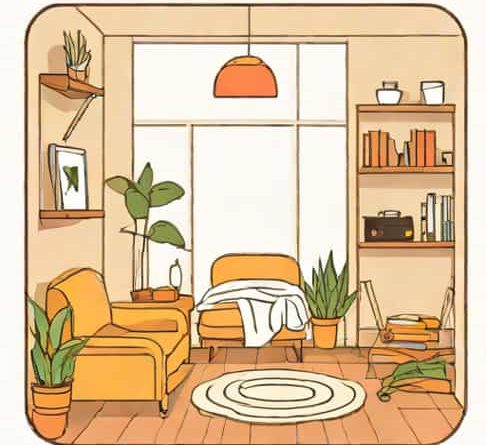
Heirloom Rooms Soulful Stories Of Home
Every home tells a story, and in some homes, those stories are preserved not just in memory but in the very rooms themselves. Heirloom Rooms Soulful Stories of Home celebrates this intimate connection between place and memory, exploring how spaces filled with history, personal artifacts, and cherished furniture can embody the lives and experiences of those who have lived within them. These rooms are more than just physical spaces; they are repositories of emotion, culture, and heritage. They speak of generations, echoing with laughter, tears, and everyday moments that have shaped the essence of what we call home.
The Concept of Heirloom Rooms
Heirloom rooms are spaces in a home that retain a sense of continuity through objects, decor, or design elements passed down from one generation to the next. They are often characterized by the presence of furniture, artwork, or personal items that carry sentimental value. The heirlooms in these rooms are not merely decorative; they carry stories, familial history, and cultural significance, linking the present inhabitants with their ancestors. The soulful aspect of these rooms comes from the layers of memory embedded in every corner, every wall, and every piece of furniture.
Defining Soulfulness in Home Spaces
When we speak of a room being soulful, we refer to the emotional resonance that it holds. A soulful room is one that feels alive with stories, whether those stories are grand narratives of family achievements or simple, quiet memories of daily life. The concept emphasizes that homes are not static structures; they are living entities shaped by the people who inhabit them. Objects within heirloom rooms – such as an old rocking chair, a grandmother’s quilt, or a hand-carved bookshelf – serve as conduits for these stories, allowing past experiences to remain present in our everyday lives.
Elements of Heirloom Rooms
Heirloom rooms often share certain characteristics that distinguish them from purely modern or minimalist spaces. These elements combine aesthetic appeal with personal history
- Furniture with LegacyPieces that have been passed down through generations often form the centerpiece of heirloom rooms. These may include dining tables, wardrobes, armchairs, or desks that have witnessed family gatherings, celebrations, and quiet moments alike.
- Personal ArtifactsPhotographs, letters, and keepsakes add depth to the room, providing tangible links to past generations. These items often evoke specific memories and stories, transforming the room into a living museum of personal history.
- Decor Reflecting HeritageRugs, paintings, or pottery that reflect cultural heritage or family traditions help root the room in its unique story. They add visual richness while serving as reminders of where the family comes from and the values they hold dear.
- Textures and PatinaThe natural wear and aging of materials – scratches on a wooden floor, faded upholstery, or worn handles – adds character and soul to the room, signaling a lived-in authenticity that modern replicas cannot replicate.
Creating Emotional Connections
The power of heirloom rooms lies in their ability to evoke emotion. Walking into a room filled with objects tied to family history can trigger memories and reflections. These spaces encourage storytelling, as family members recount the origins of a particular piece of furniture or share anecdotes associated with a photograph or painting. In this way, heirloom rooms not only preserve history but also foster intergenerational bonds, connecting young members of the family with their roots.
Stories Behind the Objects
Every object in an heirloom room has a story to tell. For example, a well-worn rocking chair may have cradled infants across several generations, while a grandfather clock may have marked the passing of countless family milestones. These stories are deeply personal and can be passed down verbally or observed through careful attention to the objects themselves. Collectively, these artifacts create a narrative of life, capturing moments of joy, struggle, celebration, and ordinary daily routines that together shape a family’s legacy.
Furniture as Storytellers
Unlike mass-produced modern furniture, heirloom pieces often carry a sense of individuality and craftsmanship that modern reproductions lack. The imperfections, repairs, and modifications made over the years contribute to the story. A table scarred by years of family meals, or a cabinet whose hinges have been lovingly repaired, becomes a physical record of living history. Each mark tells of moments that, while mundane at the time, now serve as cherished memories that define the room’s soul.
Art and Cultural Heritage
Paintings, textiles, and decorative objects in heirloom rooms often reflect cultural heritage and artistic traditions. A handwoven rug from a distant region or a painting created by a relative not only beautifies the room but also grounds it in familial and cultural history. These objects can spark curiosity in younger generations, encouraging them to explore their roots and appreciate the craft and creativity of those who came before them.
The Role of Memory in Heirloom Rooms
Memory plays a central role in making a room soulful. Heirloom rooms act as a bridge between past and present, allowing the stories of ancestors to influence contemporary living. Memory transforms simple objects into meaningful artifacts. For instance, a faded photograph of a family gathering becomes more than an image; it becomes a link to the laughter, conversations, and emotions of the moment captured. By preserving these memories, heirloom rooms maintain continuity and identity within a family home.
Intergenerational Bonds
Heirloom rooms help strengthen family connections across generations. Children growing up surrounded by heirloom furniture and personal artifacts often develop a sense of belonging and identity rooted in family history. They learn to value not just objects but the stories, wisdom, and experiences embedded in those objects. This connection fosters respect for tradition while also encouraging younger generations to create their own meaningful memories.
Designing Soulful Spaces Today
Creating heirloom rooms in contemporary homes may involve mixing old and new. While not every object can be an inherited artifact, one can cultivate a sense of soulfulness by choosing items with personal significance or by repurposing family possessions. The goal is not perfection or uniformity but authenticity and narrative depth. Thoughtful placement of objects, attention to lighting, and use of textures can help cultivate the warmth and emotional resonance typical of heirloom spaces.
Practical Tips for Preserving Soulful Rooms
- Keep cherished objects visible and integrated into daily life rather than tucked away in storage.
- Document the stories behind key items to ensure future generations understand their significance.
- Maintain furniture and artifacts carefully to prolong their life while retaining their character.
- Combine contemporary design with heirloom pieces to create harmony between old and new.
- Encourage storytelling sessions in these spaces to actively preserve family history.
Heirloom Rooms Soulful Stories of Home reveal that a home’s true value lies not in its square footage or style but in the narratives embedded within its walls and furnishings. These rooms serve as living histories, connecting past and present, and fostering intergenerational bonds through the preservation of memories and objects. By understanding and appreciating the soul of a home, we learn that every object, from a worn armchair to a carefully framed photograph, carries a story waiting to be shared. Creating or maintaining heirloom rooms is an invitation to honor the past, celebrate the present, and inspire future generations to continue the story of home.