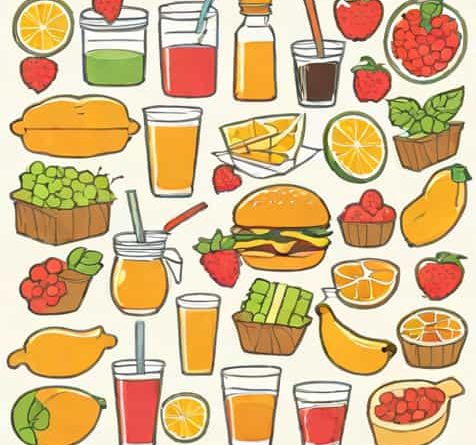
What Foods Are High In Fructose
Fructose is a type of natural sugar found in many foods, and it is an important source of energy for the body. However, consuming excessive amounts of fructose can contribute to health issues such as insulin resistance, weight gain, fatty liver disease, and digestive discomfort. Understanding which foods are high in fructose can help individuals manage their intake and make healthier dietary choices. Fructose occurs naturally in fruits, vegetables, and honey, but it is also added to many processed foods in the form of high-fructose corn syrup or sweeteners. Being aware of these sources is essential for maintaining balanced nutrition and overall health.
Fruits High in Fructose
Fruits are the most common natural sources of fructose. While they are packed with vitamins, minerals, and antioxidants, some fruits contain higher levels of fructose than others. Moderation is key for individuals sensitive to sugar or managing conditions like irritable bowel syndrome (IBS).
Common High-Fructose Fruits
- Apples Known for their sweetness, apples contain a significant amount of fructose per serving.
- Pears Pears are especially high in fructose, which can cause digestive issues in sensitive individuals.
- Mangoes These tropical fruits are delicious but contain higher levels of natural sugar.
- Cherries Cherries are not only sweet but also rich in fructose.
- Grapes Both red and green grapes have considerable fructose content.
Other Fruits with Moderate to High Fructose
- Watermelon Refreshing and sweet, watermelon has a high sugar content, including fructose.
- Figs Dried or fresh figs are concentrated in fructose.
- Dates Often used as natural sweeteners, dates are extremely high in fructose.
- Lychees These small, sweet fruits contain a significant amount of fructose.
- Pineapple Tropical flavor and moderate-to-high fructose levels.
Vegetables Containing Fructose
Some vegetables contain naturally occurring fructose, though typically in lower amounts compared to fruits. Vegetables with higher sugar content can contribute to overall fructose intake, especially when eaten in larger quantities.
High-Fructose Vegetables
- Asparagus Contains natural sugars, including fructose, that add to its subtle sweetness.
- Artichokes Moderate fructose content, often consumed in meals or salads.
- Onions Especially when raw, onions contain fructose that can impact sensitive digestive systems.
- Garlic Small amounts of fructose are present, though less than in fruits.
- Leeks Naturally sweet and moderately high in fructose.
Sweeteners and Processed Foods
Many processed foods and sweeteners contain added fructose, which can significantly increase daily intake. High-fructose corn syrup (HFCS) is a common additive in sodas, juices, baked goods, and condiments. Consuming these products frequently can contribute to excessive fructose consumption, which has been linked to metabolic and liver issues.
Common Foods with Added Fructose
- Sodas and soft drinks Often contain HFCS or other fructose-rich sweeteners.
- Fruit juices Even natural juices can be high in fructose if concentrated.
- Candy and sweets Chocolates, gummies, and hard candies frequently contain added fructose.
- Sweetened cereals Many breakfast cereals are high in sugar, including fructose.
- Condiments Ketchup, barbecue sauce, and some salad dressings may contain added fructose.
Dried Fruits and Fructose Concentration
Dried fruits are particularly high in fructose because the drying process concentrates the sugars. While they are convenient and nutritious, portion control is important for managing sugar intake. Examples include
- Raisins Dried grapes with concentrated fructose content.
- Dried apricots Sweet and high in natural sugars.
- Prunes Known for their digestive benefits, but also high in fructose.
- Dried figs Extremely sweet, ideal for small servings.
- Dates Among the highest in fructose, often used in energy bars or desserts.
Understanding Fructose in Beverages
Beverages can be a hidden source of fructose, especially those sweetened with HFCS, sugar, or fruit concentrates. Drinking these regularly can lead to a significant intake of fructose without the feeling of fullness that solid foods provide.
High-Fructose Beverages
- Soda The most common source of added fructose in many diets.
- Fruit juices and smoothies Even homemade juices can be high in fructose if large amounts of fruit are used.
- Sweetened teas Bottled teas often contain added sugars.
- Energy drinks Typically contain HFCS or other sugar additives.
Balancing Fructose Intake
While fructose is a natural sugar found in many healthy foods, moderation is important. Overconsumption of fructose, especially from processed foods and sweetened beverages, can lead to health issues. Strategies to balance intake include
- Choosing whole fruits over fruit juices to benefit from fiber content.
- Limiting intake of dried fruits to small portions.
- Reading labels for added sugars, especially HFCS, in processed foods.
- Pairing high-fructose foods with proteins or healthy fats to reduce blood sugar spikes.
- Incorporating vegetables and low-fructose fruits for a balanced diet.
Fructose is present in a wide variety of foods, from natural sources like fruits and some vegetables to processed foods with added sweeteners. While natural fructose from whole fruits provides essential nutrients and fiber, excessive intake, particularly from sweetened beverages and processed foods, can negatively impact health. Being aware of which foods are high in fructose allows individuals to make informed dietary choices, manage sugar consumption, and maintain a balanced diet. Incorporating moderation, reading labels, and combining foods strategically are key strategies to enjoy the benefits of fructose without overconsumption, ensuring both health and enjoyment from a variety of foods.