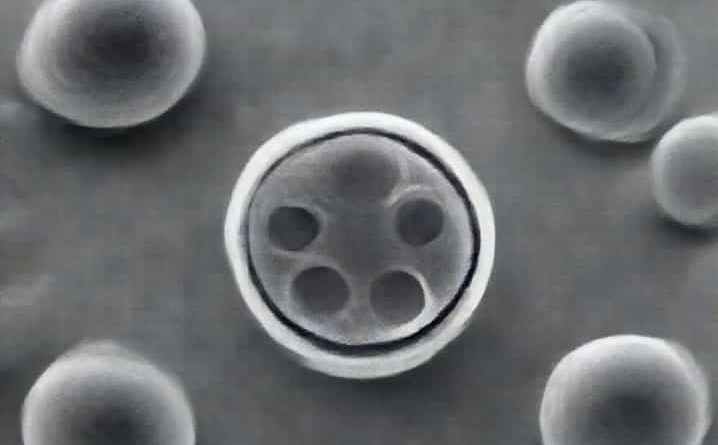
Klebsiella Aerogenes Biochemical Tests
Klebsiella aerogenes, formerly known as Enterobacter aerogenes, is a Gram-negative bacterium that belongs to the Enterobacteriaceae family. It is commonly found in soil, water, and the intestinal tract of humans and animals. This bacterium is considered an opportunistic pathogen that can cause infections such as pneumonia, urinary tract infections, and bacteremia. To properly identify Klebsiella aerogenes in the laboratory, microbiologists use a series of biochemical tests that differentiate it from other closely related bacteria. Understanding these biochemical reactions is essential in both clinical diagnostics and microbiology education.
Characteristics of Klebsiella aerogenes
Klebsiella aerogenes is a facultatively anaerobic organism, meaning it can grow in both oxygen-rich and oxygen-poor environments. It is non-spore-forming and motile, which helps distinguish it from the non-motile Klebsiella pneumoniae. The bacterium typically forms smooth, round, and moist colonies on agar media. It ferments glucose with gas production and is known for its ability to utilize a wide range of carbohydrates and organic compounds.
Like other Enterobacter species, Klebsiella aerogenes has important biochemical traits that make it easy to identify using standard laboratory methods. These tests not only confirm its presence but also help distinguish it from similar species such as Klebsiella oxytoca, Enterobacter cloacae, and Escherichia coli.
Overview of Biochemical Tests
Biochemical tests are designed to assess the metabolic and enzymatic capabilities of bacteria. For Klebsiella aerogenes, some of the most important tests include
- Indole test
- Methyl Red (MR) test
- Voges-Proskauer (VP) test
- Citrate utilization test
- Urease test
- Motility test
- Triple Sugar Iron (TSI) agar test
- Oxidase and Catalase tests
- Lactose fermentation test
- Decarboxylase enzyme tests (Lysine and Ornithine)
Each test provides key insights into the bacterium’s metabolism and enzymatic pathways, forming a complete biochemical profile that confirms the identity of Klebsiella aerogenes.
Key Biochemical Reactions of Klebsiella aerogenes
1. Gram Staining
Before biochemical testing, a Gram stain is performed to determine whether the bacterium is Gram-positive or Gram-negative. Klebsiella aerogenes is a Gram-negative rod-shaped bacterium, appearing pink under the microscope after staining. This initial result helps narrow down the list of possible organisms within the Enterobacteriaceae family.
2. Indole Test
The indole test checks the ability of bacteria to produce indole from the amino acid tryptophan using the enzyme tryptophanase. Klebsiella aerogenes isindole negative, meaning it does not produce indole. After adding Kovac’s reagent to a culture in tryptone broth, the absence of a red ring confirms a negative result.
3. Methyl Red (MR) Test
This test determines whether the organism performs mixed acid fermentation of glucose. When methyl red indicator is added to the broth, a red color indicates a positive result. Klebsiella aerogenes ismethyl red negative, producing a yellow color due to its reliance on the butanediol fermentation pathway rather than the mixed acid pathway.
4. Voges-Proskauer (VP) Test
The VP test detects acetoin, an intermediate product in the butanediol fermentation pathway. Klebsiella aerogenes gives apositive VP result, producing a red color when Barritt’s reagents (alpha-naphthol and potassium hydroxide) are added. This reaction helps differentiate it from Escherichia coli, which is VP negative.
5. Citrate Utilization Test
In this test, the organism’s ability to use citrate as its sole carbon source is assessed. Klebsiella aerogenes iscitrate positive, meaning it can grow on Simmons citrate agar and turn the medium blue due to alkaline byproducts. This feature is a key identifier within the Enterobacteriaceae family.
6. Urease Test
The urease test detects the enzyme urease, which hydrolyzes urea into ammonia and carbon dioxide. Unlike Klebsiella pneumoniae, which is strongly urease positive, Klebsiella aerogenes typically shows aweak or delayed urease activity. A slow color change from yellow to pink on urea agar indicates a weak positive reaction.
7. Motility Test
Motility is a distinguishing feature between Klebsiella species. Klebsiella aerogenes ismotiledue to the presence of peritrichous flagella, whereas Klebsiella pneumoniae is non-motile. Motility can be observed using a semi-solid motility agar, where diffused growth away from the stab line indicates motility.
8. Triple Sugar Iron (TSI) Agar Test
The TSI test differentiates bacteria based on their ability to ferment glucose, lactose, and sucrose, as well as produce hydrogen sulfide. Klebsiella aerogenes typically shows anacid slant/acid butt (A/A)result with gas production, but no hydrogen sulfide. This means it ferments all three sugars and produces gas during the process.
9. Oxidase and Catalase Tests
The oxidase test checks for cytochrome c oxidase enzyme activity. Klebsiella aerogenes isoxidase negative, which aligns with all Enterobacteriaceae members. The catalase test, however, is positive; the bacterium produces bubbles when exposed to hydrogen peroxide, indicating the presence of the catalase enzyme that breaks down hydrogen peroxide into water and oxygen.
10. Lactose Fermentation Test
On MacConkey agar, Klebsiella aerogenes ferments lactose and producespink coloniesdue to acid production. This reaction helps distinguish it from non-lactose fermenters like Salmonella and Shigella. Its ability to ferment lactose also contributes to its classification as a coliform bacterium.
11. Lysine and Ornithine Decarboxylase Tests
Klebsiella aerogenes produces enzymes that decarboxylate certain amino acids. It islysine decarboxylase positiveandornithine decarboxylase positive. These reactions release alkaline byproducts, turning the medium purple. Such enzyme activity differentiates it from Enterobacter cloacae, which is usually lysine negative.
Typical Biochemical Test Results Summary
The following table summarizes the common biochemical reactions of Klebsiella aerogenes
- Gram reaction Negative
- Shape Rod
- Motility Positive
- Indole Negative
- Methyl Red Negative
- Voges-Proskauer Positive
- Citrate Positive
- Urease Weak positive or variable
- Lactose fermentation Positive
- TSI A/A, gas produced, no H₂S
- Oxidase Negative
- Catalase Positive
- Lysine decarboxylase Positive
- Ornithine decarboxylase Positive
This biochemical pattern clearly identifies Klebsiella aerogenes and distinguishes it from other Enterobacteriaceae members, particularly Enterobacter cloacae and Klebsiella pneumoniae.
Importance of Biochemical Identification
Accurate identification of Klebsiella aerogenes using biochemical tests is vital in clinical microbiology. Since this bacterium can cause healthcare-associated infections, distinguishing it from other species ensures proper treatment and infection control. For example, knowing that Klebsiella aerogenes is typically resistant to ampicillin but susceptible to other antibiotics helps guide therapy decisions.
Beyond the clinical setting, biochemical testing also plays a role in environmental microbiology, food safety, and pharmaceutical quality control. These tests are simple, cost-effective, and reliable, making them a foundation of bacterial identification before molecular methods like PCR or MALDI-TOF are applied.
Klebsiella aerogenes biochemical tests provide a comprehensive way to identify this organism based on its unique metabolic traits. From its positive citrate and VP results to its motility and lactose fermentation ability, each biochemical characteristic contributes to building a reliable identification profile. While modern molecular tools have advanced bacterial classification, biochemical testing remains the cornerstone of microbiology laboratories worldwide. Understanding these reactions not only aids diagnosis but also deepens appreciation for bacterial diversity and metabolism. By mastering the biochemical profile of Klebsiella aerogenes, students and professionals alike gain valuable insight into one of the key members of the Enterobacteriaceae family.