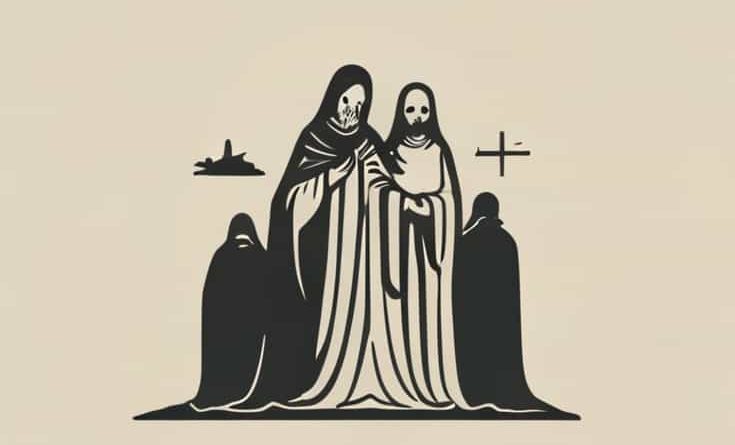
The Obsequies That I For Thee Will Keep
The phrase the obsequies that I for thee will keep carries a solemn, emotional weight that immediately suggests themes of death, remembrance, and loyalty. Even to readers unfamiliar with its literary origin, the words feel ceremonial and intimate, as if spoken in a moment of deep grief and personal promise. This line has endured because it expresses a universal human experience the desire to honor the dead with dignity and devotion. Its meaning goes beyond a simple reference to funeral rites and enters the realm of love, duty, and moral responsibility.
Understanding the meaning of obsequies
To fully understand the phrase, it is helpful to explore the meaning of the word obsequies. Obsequies refer to funeral rites or ceremonial acts performed in honor of someone who has died. Historically, obsequies were not just practical arrangements for burial but deeply symbolic events meant to show respect, affection, and social obligation.
When someone speaks of keeping obsequies, they are not merely attending a funeral. They are actively taking responsibility for ensuring that the deceased is remembered and honored properly. This gives the phrase a tone of promise and personal commitment.
The emotional tone of the phrase
The obsequies that I for thee will keep is written in a formal, almost archaic style, yet its emotional message is clear. The speaker is pledging to perform funeral rites out of personal loyalty, not because of social expectation. This makes the statement deeply personal.
The choice of words suggests reverence and seriousness. It is not a casual promise but one made with full awareness of its emotional and moral weight.
The idea of duty beyond death
One of the most powerful aspects of this phrase is its focus on duty that continues even after death. The speaker acknowledges that while life has ended, responsibility has not. This reflects a belief that relationships do not simply vanish when someone dies.
In many cultures, honoring the dead is seen as a sacred obligation. By stating I for thee will keep, the speaker emphasizes that this duty is willingly accepted, not forced.
Personal loyalty versus public ritual
Funeral rites often involve public ceremonies, but this phrase highlights private loyalty. The focus is not on how others will see the obsequies, but on the personal bond between the speaker and the deceased.
This distinction is important because it shifts the meaning from tradition to intention. The value of the act comes from the sincerity behind it.
Literary significance of the phrase
The line the obsequies that I for thee will keep is frequently discussed in literary analysis because of its poetic balance and emotional clarity. It combines formal language with a deeply human sentiment, making it memorable and impactful.
Writers often use such phrasing to elevate a moment of loss into something timeless. By focusing on ritual and remembrance, the line connects individual grief to universal human experience.
Why such language endures
Archaic or formal language can sometimes feel distant, but in this case, it enhances the emotional effect. The formality slows the reader down, encouraging reflection rather than quick consumption.
This is one reason the phrase continues to resonate. It feels deliberate, as though every word was chosen with care.
Symbolism within the phrase
Symbolism plays a key role in the lasting power of this line. Obsequies symbolize not only death but also closure, respect, and continuity. They represent a bridge between the living and the dead.
By promising to keep these obsequies, the speaker symbolically takes on the role of guardian of memory. This transforms mourning into an active, purposeful act.
- Obsequies symbolize respect and honor
- The promise reflects loyalty and love
- The act represents continuity beyond death
- Memory becomes a moral responsibility
Emotional resonance for modern readers
Even though the language may seem old-fashioned, the emotions expressed are timeless. Modern readers can easily relate to the desire to honor someone who has passed away, whether through funerals, memorials, or personal rituals.
The phrase reminds readers that grief is not only about loss but also about action. Doing something meaningful in memory of the deceased can be a source of comfort and purpose.
Private acts of remembrance
Today, obsequies may take many forms beyond traditional funerals. Lighting candles, writing letters, visiting graves, or preserving stories are all ways people keep their own version of obsequies.
The phrase encourages the idea that remembrance does not end when ceremonies conclude. It can continue quietly, shaped by personal meaning.
The moral dimension of remembrance
The obsequies that I for thee will keep also raises moral questions. What do we owe to those who have died? Is remembrance an obligation or a choice? The phrase suggests that while the act is voluntary, it is also ethically significant.
By framing remembrance as a promise, the speaker implies that forgetting would be a kind of failure. This adds moral depth to the emotional experience of grief.
Remembrance as an act of integrity
Keeping obsequies can be seen as an act of integrity, a way of honoring not only the deceased but also one’s own values. It shows consistency between feeling and action.
This idea resonates strongly in literature and real life, where actions often speak louder than words.
Why the phrase remains relevant
The enduring relevance of the obsequies that I for thee will keep lies in its simplicity and sincerity. It does not attempt to explain death or soften loss. Instead, it focuses on what the living can do in response.
In a fast-paced world where grief is sometimes rushed or hidden, this phrase stands as a reminder that taking time to honor the dead is meaningful and necessary.
The obsequies that I for thee will keep is more than a poetic line about funeral rites. It is a statement of loyalty, love, and moral responsibility that transcends its historical context. Through its emphasis on remembrance and personal duty, it speaks to a universal human need to honor those we have lost. By keeping obsequies, whether through formal rituals or private acts of memory, we affirm the lasting significance of human connection, even in the face of death.