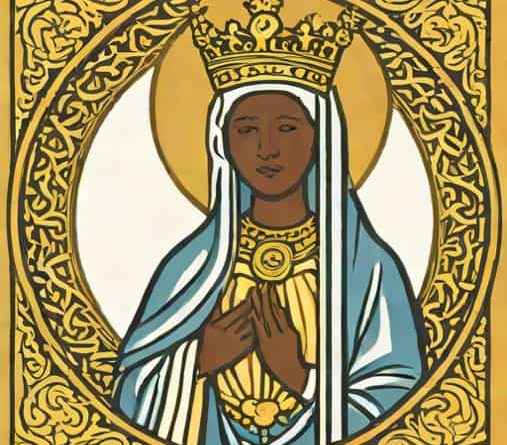
Solemnity Of Our Lady Queen Of Nigeria
The Solemnity of Our Lady Queen of Nigeria is a significant celebration in the Catholic Church that honors the Blessed Virgin Mary as the spiritual patroness and protector of the nation. This feast day reflects the deep devotion of Nigerian Catholics to Mary, recognizing her guidance, intercession, and role in the life of the Church. Observed annually, the solemnity emphasizes both spiritual reflection and national identity, bringing together communities to celebrate faith, unity, and the cultural heritage of Nigeria. The event involves prayers, Mass, processions, and various activities that highlight Mary’s central role as a model of virtue and a source of hope for believers.
Historical Background of the Solemnity
The title Our Lady Queen of Nigeria has roots in the Catholic Church’s mission work and evangelization in Nigeria. Missionaries in the 19th and 20th centuries brought Catholicism to various regions, emphasizing devotion to the Virgin Mary. Over time, Mary became a symbol of faith, unity, and protection for Nigerian Catholics, culminating in the recognition of her as Queen of Nigeria. The solemnity was officially established to honor this devotion, allowing the faithful to publicly express their reverence and reflect on Mary’s intercessory power in both personal and national matters.
Recognition by the Catholic Church
- The Catholic hierarchy formally recognized the devotion to Our Lady Queen of Nigeria, encouraging the celebration of her feast.
- Papal approvals and church documents often affirm Mary’s role as a spiritual guide for the faithful in Nigeria.
- The solemnity is observed with specific prayers, liturgical readings, and Masses dedicated to Mary.
- Church leaders encourage the faithful to deepen their spiritual life through reflection on Mary’s virtues.
- It serves as an occasion to strengthen communal faith and promote moral values in society.
Significance of the Solemnity
The Solemnity of Our Lady Queen of Nigeria carries both religious and cultural importance. Religiously, it honors Mary’s role in the life of the Church, her intercession in times of need, and her example of humility, obedience, and compassion. Culturally, it unites diverse ethnic and social groups within Nigeria, fostering a sense of national identity and shared values. The solemnity encourages the faithful to seek spiritual renewal, practice charitable deeds, and promote peace and harmony within their communities. It also serves as a reminder of Nigeria’s rich Catholic heritage and the enduring presence of faith in shaping national life.
Spiritual and Cultural Benefits
- Strengthens personal and communal devotion to the Blessed Virgin Mary.
- Encourages reflection on moral values and virtuous living.
- Fosters unity among Catholics from different regions and ethnic backgrounds.
- Provides an opportunity for youth engagement through prayer, music, and cultural displays.
- Highlights the integration of faith and national identity in everyday life.
Celebration Practices
The solemnity is observed through various religious and communal activities that highlight devotion to Mary. Central to the celebration is the Holy Mass, which includes readings, hymns, and prayers dedicated to Our Lady Queen of Nigeria. Processions are often held, with participants carrying statues, banners, and flowers to honor Mary’s role as Queen and protector. In addition to liturgical events, many communities organize cultural displays, choral performances, and educational programs that emphasize the significance of Mary’s example. These celebrations are inclusive, inviting people of all ages to participate and deepen their faith.
Key Activities During the Solemnity
- Special Masses with readings and homilies focused on Mary’s virtues and role in Nigeria.
- Processions through parishes or town centers, often featuring statues and floral decorations.
- Prayer sessions and novenas leading up to the solemnity, promoting spiritual preparation.
- Cultural presentations, including music, dance, and art inspired by Marian devotion.
- Community outreach initiatives, emphasizing charity and social responsibility in Mary’s spirit.
Marian Devotion and Its Role in Nigerian Catholicism
Marian devotion plays a central role in Nigerian Catholic practice, with Our Lady Queen of Nigeria representing a focal point for prayers, guidance, and intercession. Many Catholics turn to Mary for support in personal struggles, family concerns, and societal challenges. The solemnity serves as a formal occasion to express gratitude, seek protection, and renew commitments to living a life of faith. Devotional practices include recitation of the Rosary, novenas, and specific prayers asking for Mary’s guidance and intercession. These practices reinforce both spiritual growth and communal identity.
Popular Devotional Practices
- Reciting the Rosary, often in groups during parish gatherings.
- Novena prayers in the days leading up to the solemnity, focusing on protection and guidance.
- Lighting candles and offering flowers as symbols of devotion and thanksgiving.
- Engaging in charitable works and acts of service in honor of Mary.
- Sharing testimonies of answered prayers and blessings received through Marian intercession.
Impact on Communities
The solemnity has a profound impact on both urban and rural Catholic communities in Nigeria. It strengthens social cohesion, promotes intergenerational participation in religious life, and fosters collaboration between church authorities and laity. Schools, parishes, and civic organizations often take part in organizing events that highlight Mary’s significance. Through these activities, the celebration contributes to moral formation, cultural education, and national unity. The solemnity also offers an opportunity for reflection on social issues, encouraging the faithful to act with compassion, justice, and integrity in everyday life.
Community Engagement
- Parishes organize workshops, lectures, and seminars on Marian devotion.
- Youth groups participate in choirs, drama, and cultural performances during celebrations.
- Charitable outreach, including support for the poor and vulnerable, is emphasized.
- Inter-parish competitions and exhibitions encourage participation and creativity.
- Media coverage of the solemnity promotes awareness and appreciation of Marian devotion nationwide.
Global Recognition
While the Solemnity of Our Lady Queen of Nigeria is celebrated primarily within Nigeria, it also draws attention from the global Catholic community. Nigerian expatriates and Catholics abroad often participate in local observances, connecting with their homeland’s cultural and spiritual heritage. The solemnity highlights the universal nature of Marian devotion, illustrating how local traditions contribute to the richness of global Catholic practice. It also provides an opportunity for international dialogue on the integration of faith, culture, and national identity.
International Observance
- Nigerian Catholic communities abroad hold Masses and prayer gatherings.
- Devotional materials and media broadcasts allow wider participation and understanding.
- Global Catholic organizations recognize the solemnity as part of Nigeria’s unique spiritual heritage.
- International pilgrimages and exchanges occasionally coincide with the celebration.
- Sharing of testimonies and cultural practices strengthens the global Marian devotion network.
The Solemnity of Our Lady Queen of Nigeria is a powerful expression of faith, unity, and national identity for Catholics in Nigeria. Through liturgical celebrations, processions, cultural activities, and community engagement, the faithful honor Mary’s role as Queen and protector. The solemnity reinforces the values of devotion, charity, and moral integrity while fostering unity among diverse communities. It is a celebration that combines spirituality, cultural heritage, and social responsibility, highlighting the enduring importance of Marian devotion in Nigerian Catholic life. As a national and religious feast, it continues to inspire reflection, prayer, and active participation in building a faith-centered society.