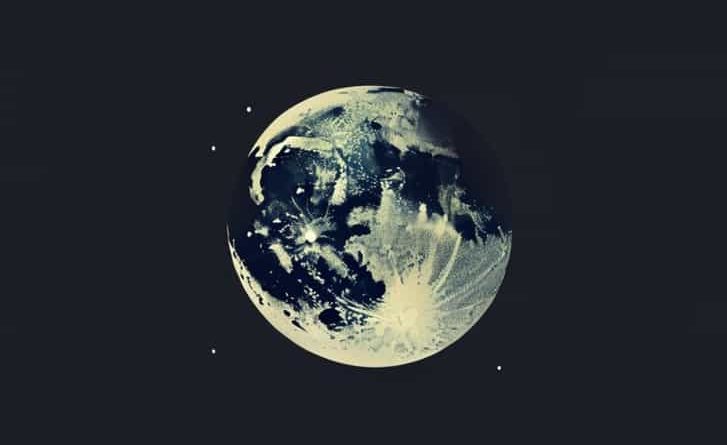
What Is The Current Phase Of The Moon
People have looked up at the Moon for thousands of years and wondered about its changing shape in the sky. When someone asks what is the current phase of the moon, they are usually trying to understand why the Moon looks the way it does at a particular moment. The Moon does not produce its own light; instead, it reflects sunlight. As it orbits Earth, we see different portions of its sunlit surface. This ongoing cycle creates the familiar lunar phases that repeat every month and influence calendars, tides, culture, and even daily habits.
Understanding the Concept of Moon Phases
The phase of the Moon refers to the shape of the illuminated portion that is visible from Earth. This appearance changes because the Moon orbits Earth while both bodies travel around the Sun. At different points in this orbit, varying amounts of sunlight fall on the side of the Moon facing Earth.
Why the Moon Appears to Change Shape
It is a common misconception that Earth’s shadow causes the Moon phases. In reality, the changing shape is due to our viewing angle. Half of the Moon is always lit by the Sun, but the amount we can see depends on where the Moon is positioned in its orbit.
The Lunar Cycle
The complete cycle of Moon phases is known as a lunar cycle or lunation. It lasts about 29.5 days. After completing one full cycle, the Moon returns to the same phase and the pattern begins again.
The Eight Main Phases of the Moon
To understand what the current phase of the moon is, it helps to know the standard phases that occur during each lunar cycle. Astronomers divide the cycle into eight primary phases.
New Moon
During the new moon, the Moon is positioned between Earth and the Sun. The side facing Earth receives little to no sunlight, making the Moon nearly invisible in the sky. This phase marks the beginning of a new lunar cycle.
Waxing Crescent
After the new moon, a small sliver of light becomes visible. This phase is called the waxing crescent, meaning the illuminated portion is growing. The Moon is usually visible shortly after sunset.
First Quarter
At the first quarter phase, half of the Moon’s visible surface is illuminated. Despite the name, this does not mean the Moon is one-quarter full. Instead, it has completed about one-quarter of its orbit around Earth.
Waxing Gibbous
As the Moon continues to move, more than half of its surface becomes visible. This stage is called waxing gibbous, with the illuminated area increasing each night.
Full Moon
The full moon occurs when Earth is positioned between the Sun and the Moon. The entire face of the Moon that we can see is fully illuminated, making it bright and prominent in the night sky.
Waning Gibbous
After the full moon, the illuminated portion begins to decrease. This phase is known as waning gibbous. The Moon still appears mostly full, but its brightness gradually diminishes.
Last Quarter
During the last quarter phase, half of the Moon is illuminated again, but the opposite side compared to the first quarter. The Moon is typically visible in the late night and early morning.
Waning Crescent
The final phase before the cycle restarts is the waning crescent. Only a thin crescent of light remains visible, usually just before sunrise, before returning to a new moon.
How to Determine the Current Phase of the Moon
Knowing what is the current phase of the moon does not require advanced equipment. There are several simple ways to find out.
Observing the Sky
One of the easiest methods is simply looking up. The shape of the Moon and the time it appears in the sky can give strong clues about its phase.
Using Lunar Calendars
Lunar calendars track the Moon’s cycle and list the phases for each day. These calendars are commonly used for gardening, cultural events, and religious observances.
Astronomy Apps and Tools
Many digital tools allow users to check the current phase instantly. These tools calculate the Moon’s position based on the date and location.
Why the Current Moon Phase Matters
The current phase of the moon is more than a visual curiosity. It plays a role in natural systems and human activities.
Influence on Ocean Tides
The gravitational pull of the Moon affects Earth’s oceans. During full and new moons, tides are generally stronger, while quarter moons produce milder tides.
Cultural and Historical Significance
Many cultures have built calendars and traditions around lunar phases. Festivals, rituals, and storytelling often align with specific stages of the Moon.
Astronomy and Education
Understanding moon phases helps explain basic principles of astronomy, such as orbital motion and light reflection. It is often one of the first topics introduced to students studying space.
Common Misunderstandings About Moon Phases
Despite being familiar, moon phases are often misunderstood.
Moon Phases and Eclipses
An eclipse is not a regular phase. A lunar eclipse happens when Earth’s shadow falls on the Moon, which only occurs during a full moon under specific conditions.
The Moon’s Distance
The Moon does not move significantly closer or farther away during its phases. Changes in appearance are caused by lighting, not distance.
The Moon Phase and Daily Life
For some people, tracking the current moon phase is part of daily routine. Farmers, gardeners, photographers, and night sky enthusiasts often plan activities based on lunar conditions.
Moon Phases and Nature
Certain animals behave differently depending on moonlight. Nocturnal creatures may be more active during brighter phases, while others prefer darker nights.
Personal Interest and Reflection
Many people find comfort or inspiration in watching the Moon change. Following the lunar cycle can encourage mindfulness and a deeper connection to natural rhythms.
the Current Phase of the Moon
Understanding what is the current phase of the moon means recognizing where the Moon is in its monthly journey around Earth. While the exact phase changes from day to day, the predictable lunar cycle makes it easy to understand and follow. By learning the phases, observing the sky, and appreciating the Moon’s role in nature and culture, anyone can gain a greater appreciation for this constant yet ever-changing presence above us.