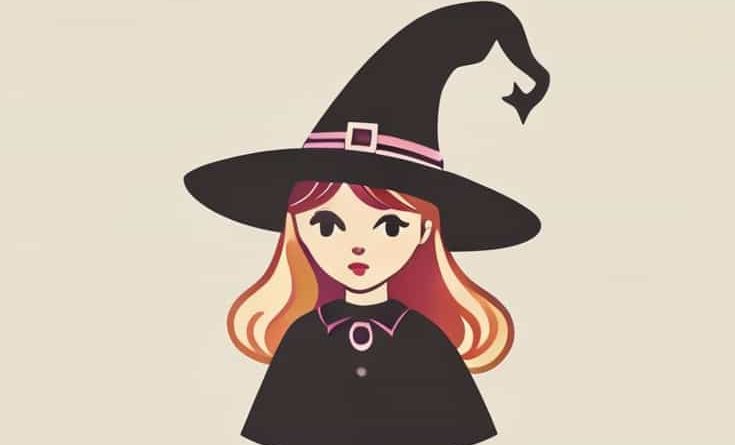
Name Of The Witch In Hansel And Gretel
The story of Hansel and Gretel is one of the most famous fairy tales collected by the Brothers Grimm, captivating audiences for generations with its themes of courage, cleverness, and the triumph of good over evil. Central to the story is the character of the witch who lures children into her candy-covered house with the intent to eat them. Many readers and students often wonder about the name of the witch, her role, and her significance in the story. Exploring her identity and actions not only enhances our understanding of the tale but also reveals deeper lessons about fear, deception, and resilience.
The Witch in Hansel and Gretel
The witch in Hansel and Gretel is an iconic figure representing danger and temptation. While the story does not provide her with a personal name in most traditional versions, she is often referred to simply as the witch or the old woman. In some modern adaptations and retellings, authors have given her names such as Klara, Zelda, or Rosina, but these are creative liberties rather than original details from the Brothers Grimm. The witch is characterized by her cunning, magical powers, and sinister intentions, making her a central antagonist in the tale.
Appearance and Traits of the Witch
The witch is typically described as an old, menacing woman living deep in the forest in a house made of candy, gingerbread, and sweets. Her appearance is deliberately exaggerated to appeal to the imagination of children while also evoking fear. Key traits include
- Her age and frailty, which disguise her dangerous nature.
- Cunning intelligence, as she lures children with her candy house and traps them inside.
- Greed and hunger, which motivate her desire to eat Hansel and Gretel.
- Magical abilities, including casting spells and creating an enchanted environment to trap children.
These characteristics make the witch a symbol of deception and the dangers that children may encounter if they are not cautious or obedient.
The Role of the Witch in the Story
The witch serves multiple purposes within the narrative of Hansel and Gretel. She functions as the main antagonist, creating conflict and tension that drives the story forward. Her house, made of candy, tempts the children and serves as a literal and symbolic trap, representing the dangers of temptation and the consequences of straying from safety.
The Witch as a Test of Cleverness
Beyond being a source of fear, the witch challenges Hansel and Gretel’s intelligence and resourcefulness. The children must use cleverness and bravery to outwit her. For example, Hansel tricks the witch by offering a bone instead of his finger to demonstrate that he is not ready to be eaten. Gretel then pushes the witch into the oven, turning the tables on their captor. The witch’s presence allows the story to convey important moral lessons about ingenuity, courage, and self-reliance.
The Witch and Symbolism
The witch also functions symbolically in the story. She embodies danger, greed, and evil, but she can also represent obstacles in life that must be overcome through wit and courage. Her candy house is a metaphor for the deceptive allure of instant gratification and the importance of discernment. By confronting and defeating the witch, Hansel and Gretel demonstrate growth, resilience, and the triumph of good over evil.
Names of the Witch in Different Adaptations
While the original Brothers Grimm tale does not assign a name to the witch, various adaptations across literature, theater, and media have added names to make the character more relatable or memorable. Examples include
- KlaraA name used in some European retellings, giving the witch a humanized identity.
- ZeldaA modern name often seen in animated or illustrated adaptations.
- RosinaOccasionally used in children’s books or theatrical productions to provide character depth.
These names are not canonical but help writers, educators, and storytellers engage modern audiences while preserving the essence of the character’s role in the tale.
Lessons Learned from the Witch
The witch in Hansel and Gretel teaches several lessons beyond the immediate danger she presents. By analyzing her character, readers can extract important themes and values from the story
- Awareness and CautionThe witch’s candy house reminds children and readers to be cautious of things that seem too good to be true.
- Problem-Solving and IngenuityHansel and Gretel’s clever escape emphasizes the value of thinking strategically in dangerous situations.
- Good vs. EvilThe witch embodies evil, and her defeat demonstrates that courage, intelligence, and cooperation can overcome malevolent forces.
- Consequences of GreedThe witch’s own greed leads to her downfall, illustrating that harmful desires can backfire.
These lessons ensure that the story of Hansel and Gretel remains relevant across generations, providing moral guidance alongside an engaging narrative.
The Witch in Popular Culture
Over time, the witch from Hansel and Gretel has appeared in countless adaptations, from animated films and musicals to literature and video games. Each adaptation interprets her slightly differently, sometimes giving her magical powers, a backstory, or even a name. Despite these variations, her role as the antagonist who challenges Hansel and Gretel remains central. Popular adaptations highlight her cunning, the danger of temptation, and the necessity for cleverness and bravery to overcome challenges.
The witch in Hansel and Gretel, though not named in the original Brothers Grimm tale, remains one of the most memorable and important characters in fairy tale literature. She represents danger, temptation, and evil, while also providing a framework for the story’s moral lessons about courage, cleverness, and perseverance. In modern retellings, she may be given names like Klara, Zelda, or Rosina, but her symbolic role as the antagonist endures. Understanding her character allows readers to appreciate the depth of the story, the challenges faced by Hansel and Gretel, and the enduring lessons about resilience, intelligence, and the triumph of good over evil. The witch’s candy house, her cunning, and ultimately her defeat continue to captivate audiences and ensure that Hansel and Gretel remains a timeless tale.