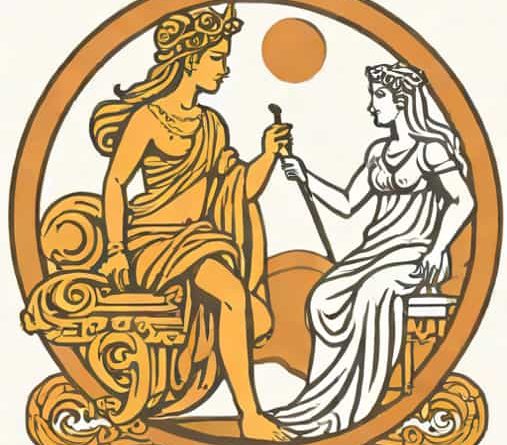
Venus Appearing To Aeneas As A Huntress
In Virgil’s epic poem, the Aeneid, one of the most fascinating and visually striking scenes occurs when Venus, the goddess of love, appears to her son Aeneas disguised as a huntress. This moment is rich in symbolism, combining elements of divine intervention, maternal care, and the heroic journey. The imagery of Venus as a huntress not only reflects her adaptability and divine power but also conveys important narrative themes, including protection, guidance, and the interplay between mortal and divine realms. Understanding this scene provides insight into the broader literary and cultural context of Roman mythology and Virgil’s artistic intentions.
The Context of Venus’ Appearance
Venus’ appearance to Aeneas takes place during a critical moment in the Aeneid, when Aeneas and his companions face danger or uncertainty. As a Trojan hero, Aeneas is destined to found the future Roman people, but his journey is fraught with trials and challenges. Venus, as his divine mother, takes an active role in ensuring his survival and success. By appearing in the form of a huntress, she both conceals her true identity and demonstrates her resourcefulness in intervening on behalf of her son without directly disrupting the natural order of events.
The Role of Venus in the Aeneid
Venus is central to the narrative of the Aeneid as both protector and motivator of Aeneas. She consistently acts to safeguard her son and guide him toward his fated destiny. Her interventions often blur the line between divine will and human action, reminding readers of the influence of the gods in mortal affairs. In this particular scene, Venus’ appearance as a huntress is symbolic of her ability to blend into the mortal world while still exercising her divine authority.
Symbolism of the Huntress Disguise
The choice of Venus appearing as a huntress carries multiple layers of symbolism. In Roman and Greek mythology, the huntress is often associated with independence, focus, and vigilance. By assuming this form, Venus embodies qualities that reflect the vigilance needed to protect Aeneas and ensure the continuation of the Trojan lineage. Moreover, the huntress disguise emphasizes themes of movement, pursuit, and vigilance, which are central to Aeneas’ ongoing journey.
Maternal Care and Divine Intervention
As a mother, Venus’ actions are motivated by love and concern for Aeneas’ welfare. Her disguise allows her to interact with Aeneas without alarming him or other characters, subtly influencing events while maintaining the appearance of human agency. This scene highlights the balance between divine intervention and human action, illustrating that while the gods can guide and protect, heroes must still act with courage and wisdom to achieve their destiny.
Connection to Roman Ideals
The depiction of Venus as a huntress also resonates with Roman cultural values. Romans admired qualities such as vigilance, resourcefulness, and duty to family and state. Venus embodies these virtues in her protective role, serving as a model of divine guardianship that parallels human ideals. Her guidance reinforces the narrative’s emphasis on destiny, responsibility, and the moral order that underpins Roman society.
Visual Imagery and Literary Techniques
Virgil uses vivid imagery and detailed description to convey Venus’ appearance as a huntress. The poet emphasizes her attire, demeanor, and presence, allowing readers to visualize her blending seamlessly into the natural landscape. Literary techniques such as metaphor, simile, and descriptive imagery enhance the impact of the scene, reinforcing both the divine nature of Venus and the tension of Aeneas’ journey.
Attire and Attributes
In her huntress disguise, Venus is often described wearing practical and agile clothing suitable for hunting, carrying a bow or quiver, and moving with grace and purpose. These attributes underscore her role as both a protective mother and a vigilant guardian, capable of swift action. The juxtaposition of divine beauty with functional attire creates a striking image that blends the mortal and immortal realms.
Interaction with Aeneas
When Venus approaches Aeneas, her demeanor is calm yet purposeful. She provides reassurance, guidance, or subtle direction, helping him navigate challenges while maintaining his sense of agency. This interaction highlights the narrative’s exploration of human and divine collaboration, emphasizing that even heroes of great destiny benefit from wisdom, protection, and support.
Narrative and Thematic Significance
Venus appearing as a huntress is not merely a visual flourish but serves critical narrative and thematic purposes. It reinforces the theme of fate and divine oversight, reminding readers that Aeneas’ journey is guided by forces beyond his control. At the same time, it underscores the hero’s need to remain vigilant, courageous, and resourceful, reflecting the balance between fate and personal effort that permeates the Aeneid.
Guidance and Protection
Throughout the epic, Venus frequently intervenes to protect Aeneas and guide him toward his destiny. By taking the form of a huntress, she exemplifies the subtlety and skill required for divine intervention. Her presence ensures that danger is mitigated without removing the necessity for Aeneas to act decisively, reinforcing the heroic ideal that while assistance may be provided, personal responsibility remains paramount.
Interplay of Mortal and Divine
The disguise also highlights the interplay between mortal perception and divine reality. Characters, including Aeneas, may not immediately recognize her divine nature, which creates dramatic tension and emphasizes the gods’ ability to influence events while remaining concealed. This dynamic reflects broader themes in classical literature, where mortals navigate a world shaped by powerful but often unseen divine forces.
Comparisons with Other Mythological Depictions
The motif of a goddess appearing in disguise is common in Greek and Roman mythology. Athena, Artemis, and other deities often take on mortal or alternative forms to guide, protect, or test heroes. Venus appearing as a huntress fits within this tradition, blending recognizable heroic attributes with divine power. Such depictions reinforce the idea that gods are active participants in human affairs, capable of adopting forms and roles that best serve their objectives.
Influence on Later Art and Literature
The image of Venus as a huntress has inspired countless artists and writers, from Renaissance painters to modern storytellers. Artists often depict her with hunting attire, bow in hand, and graceful posture, emphasizing both her beauty and her protective role. Literary works similarly draw on this scene to explore themes of maternal care, divine guidance, and the intersection of human and supernatural worlds.
The scene of Venus appearing to Aeneas as a huntress is a powerful example of Virgil’s mastery of narrative, symbolism, and visual imagery. It encapsulates key themes of the Aeneid, including divine intervention, maternal care, heroic responsibility, and the interplay between mortal and divine realms. Through her disguise, Venus demonstrates resourcefulness, vigilance, and the protective power of love, guiding her son while allowing him to act heroically. This moment continues to captivate readers and inspire artists, serving as a timeless illustration of mythology’s ability to blend narrative depth, symbolic meaning, and artistic imagination. By examining this scene, we gain insight not only into the Aeneid but also into broader Roman ideals, classical mythology, and the enduring power of storytelling.