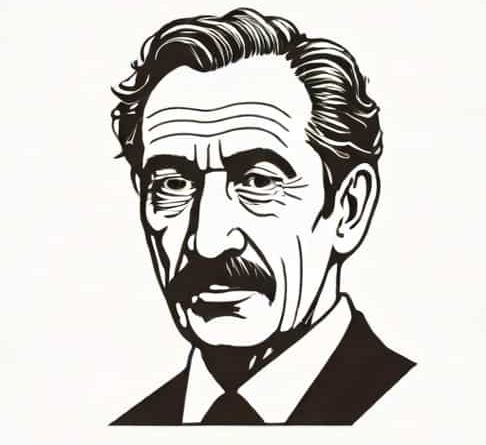
What Was Nikos Kazantzakis Famous Quote
Nikos Kazantzakis, one of the most influential Greek writers and philosophers of the 20th century, is celebrated for his profound literary works and philosophical reflections that explore the human condition, freedom, and spiritual struggle. Throughout his career, Kazantzakis produced novels, essays, plays, and poetry that challenged conventional thinking and inspired generations of readers. Among his many writings, a particular quote stands out as emblematic of his worldview and enduring legacy. This famous quote reflects his philosophical depth, his belief in the power of human perseverance, and his vision of life as a constant struggle toward self-realization and transcendence. Understanding this quote provides insight into Kazantzakis’ philosophy and the themes that permeate his work.
The Context of Nikos Kazantzakis’ Philosophy
Kazantzakis’ philosophy is grounded in existentialism, spirituality, and the quest for meaning. He often explored the tension between human desire, freedom, and mortality. In his works, the individual is portrayed as a warrior of life, constantly striving to overcome limitations, doubts, and obstacles. This perspective is reflected in his famous quote, which emphasizes struggle, courage, and the pursuit of higher ideals. By situating his quote within the broader context of his writings, we can better understand its meaning and its relevance to modern readers seeking inspiration and motivation.
Key Themes in Kazantzakis’ Work
- The human struggle and existential challenge
- Freedom and self-determination
- Spiritual growth and transcendence
- The tension between faith and doubt
- Perseverance in the face of adversity
Famous Quote by Nikos Kazantzakis
The quote for which Nikos Kazantzakis is most widely known is
I hope for nothing. I fear nothing. I am free.
This quote succinctly captures Kazantzakis’ existential philosophy, expressing the ultimate freedom that comes from transcending attachment and fear. It conveys the idea that liberation is achieved when one is no longer bound by expectations, desires, or anxieties. In just a few words, Kazantzakis communicates the core of his belief that true freedom lies in inner resilience and the courage to live authentically despite life’s uncertainties.
Interpretation of the Quote
The quote I hope for nothing. I fear nothing. I am free. can be interpreted on multiple levels
- Existential freedomIt emphasizes living authentically without being enslaved by external expectations or internal fears.
- Spiritual liberationBy detaching from hope and fear, one achieves a state of spiritual independence and inner peace.
- Human resilienceThe quote celebrates the human capacity to face life’s challenges boldly, unencumbered by anxiety or attachment.
Application of Kazantzakis’ Quote in Daily Life
Kazantzakis’ words offer practical wisdom for navigating modern life. They encourage readers to confront challenges with courage, release unnecessary attachments, and embrace a mindset of personal freedom. By internalizing this philosophy, individuals can cultivate resilience, clarity of purpose, and emotional stability in the face of uncertainty and adversity.
Ways to Apply the Quote
- Let go of unrealistic expectations to reduce disappointment and frustration.
- Face fears and anxieties with courage and self-confidence.
- Focus on actions and effort rather than being attached to outcomes.
- Practice mindfulness and presence to cultivate inner freedom.
- Embrace challenges as opportunities for growth and self-discovery.
Other Notable Quotes by Nikos Kazantzakis
While the I hope for nothing. I fear nothing. I am free. quote is the most famous, Kazantzakis’ writings contain many other memorable quotes that reflect similar themes of struggle, perseverance, and spiritual inquiry
- In order to succeed, we must first believe that we can. – Encouraging self-confidence and inner determination.
- The meaning of life is to find your gift. The purpose of life is to give it away. – Emphasizing the importance of contributing to others.
- We cannot live only for ourselves. A thousand fibers connect us with our fellow men. – Highlighting the interconnectedness of humanity.
- You have your brush, you have your colors, you paint the paradise, then in you go. – Advocating creative engagement with life.
The Enduring Impact of Kazantzakis’ Quote
Kazantzakis’ famous quote has endured because it resonates with universal human experiences. Its simplicity and profundity make it applicable to readers from diverse cultural and philosophical backgrounds. The idea of achieving freedom by transcending hope and fear continues to inspire those seeking personal growth, inner peace, and courage. It embodies the spirit of human resilience, a theme central to Kazantzakis’ work and life.
Influence on Literature and Philosophy
Kazantzakis’ quote has influenced writers, philosophers, and thinkers who explore existentialism, spirituality, and the human condition. It aligns with broader existentialist ideas about freedom, responsibility, and the search for meaning, linking him to figures such as Jean-Paul Sartre and Friedrich Nietzsche. His work invites reflection on the tension between human limitation and aspiration, encouraging readers to live consciously and boldly.
Lessons from the Quote
The message of I hope for nothing. I fear nothing. I am free. encourages readers to embrace life with courage, independence, and inner clarity. It serves as a reminder that true freedom is found not in external circumstances but in one’s attitude toward life. By internalizing this philosophy, individuals can navigate challenges more effectively, cultivate emotional resilience, and pursue their goals without being hindered by fear or unrealistic expectations.
Practical Takeaways
- Release attachments to outcomes to reduce stress and anxiety.
- Confront fears proactively to develop personal strength.
- Live authentically according to your values, rather than external pressures.
- Recognize the impermanence of life and embrace each moment fully.
- Use challenges as opportunities for growth and self-realization.
Nikos Kazantzakis’ famous quote, I hope for nothing. I fear nothing. I am free, continues to inspire readers worldwide with its profound wisdom, simplicity, and depth. It encapsulates his philosophy of existential freedom, resilience, and spiritual liberation. By examining this quote in the context of Kazantzakis’ life and work, readers gain insight into the themes of struggle, courage, and self-realization that define his literary legacy. The quote encourages reflection, mindfulness, and the pursuit of authentic living, making it a timeless source of guidance and inspiration. Whether applied to personal growth, philosophical contemplation, or daily challenges, Kazantzakis’ words remind us that freedom is ultimately found within, and that life’s journey is best navigated with courage, clarity, and a fearless heart.