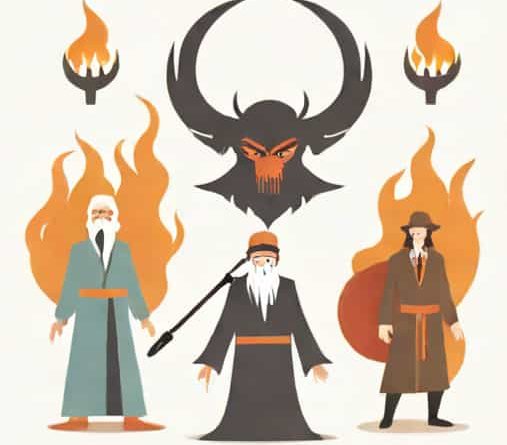
Who Are The Big Three Vengeful Spirits
Across many cultures, stories of spirits born from anger, injustice, and unresolved suffering have shaped beliefs, rituals, and even political decisions. In Japan, few supernatural concepts are as influential as vengeful spirits, known as onryō. Among these, there is a group often referred to as the Big Three Vengeful Spirits, figures whose wrath was believed to cause disasters, disease, and social upheaval. Understanding who are the Big Three vengeful spirits offers insight into Japanese history, religion, and the deep connection between emotion and the supernatural.
The Concept of Vengeful Spirits in Japanese Belief
Before exploring who are the Big Three vengeful spirits, it is important to understand the cultural background. In traditional Japanese belief, spirits of the dead could become dangerous if they died with strong resentment, humiliation, or anger. These spirits were thought to return to the living world to seek revenge.
Such spirits were not viewed as purely evil. Instead, they were often victims of injustice whose unresolved emotions gave them supernatural power.
What Makes a Spirit Vengeful
Vengeful spirits were believed to influence the physical world. Natural disasters, plagues, political turmoil, and sudden deaths were sometimes attributed to their anger.
To calm these spirits, people performed rituals, built shrines, or even elevated the spirit’s status, turning fear into reverence.
Who Are the Big Three Vengeful Spirits?
The Big Three vengeful spirits, known in Japanese as the San Dai Onryō, are three historical figures whose spirits were believed to have caused widespread misfortune after their deaths. These individuals were once powerful, talented, or influential, but met tragic ends due to political betrayal or exile.
Sugawara no Michizane
Sugawara no Michizane is often considered the most famous of the Big Three vengeful spirits. He was a respected scholar, poet, and politician during the Heian period.
Life and Downfall
Michizane rose through the ranks due to his intelligence and dedication, but political rivals accused him of treason. As a result, he was exiled far from the capital, where he died in misery.
After his death, a series of disasters struck the capital, including lightning strikes, fires, and sudden deaths of those involved in his exile.
From Vengeful Spirit to Deity
To appease his spirit, the court restored his titles and honored him. Over time, Michizane was transformed into Tenjin, a deity of learning and scholarship. Today, students pray to him for academic success.
Taira no Masakado
Another answer to who are the Big Three vengeful spirits is Taira no Masakado, a powerful warrior from the early Heian period.
Rebellion and Death
Masakado led a rebellion against the central government, declaring himself a new emperor. He was eventually defeated and killed, and his head was displayed publicly.
Legends claim that his severed head continued to fly through the air, filled with rage.
Enduring Fear and Respect
After his death, earthquakes, fires, and epidemics were blamed on Masakado’s spirit. Even today, his grave in Tokyo is treated with caution, as disturbing it is believed to bring misfortune.
Emperor Sutoku
The third of the Big Three vengeful spirits is Emperor Sutoku, a former emperor whose life ended in deep resentment.
Political Betrayal
Emperor Sutoku was forced to abdicate and later exiled after losing a power struggle. Stripped of influence and dignity, he died far from the capital.
It was believed that his bitterness transformed him into a powerful onryō.
Blamed for National Misfortune
After his death, Japan experienced political instability and disasters. These events were attributed to Sutoku’s angry spirit, reinforcing his place among the most feared vengeful spirits.
Why These Three Spirits Are Considered the Big Three
Many vengeful spirits exist in Japanese folklore, but these three stand apart due to the scale of disasters attributed to them and their lasting cultural impact.
- They were historically documented figures
- Their deaths involved injustice or humiliation
- Major national events were blamed on their spirits
The Role of Fear and Appeasement
One reason the Big Three vengeful spirits became so prominent is the response they inspired. Instead of attempting to destroy or banish these spirits, people sought to appease them.
Shrines, ceremonies, and official recognition were used to calm their anger and restore balance.
Transformation from Curse to Protection
An interesting pattern appears when studying who are the Big Three vengeful spirits. Over time, each spirit transitioned from a source of fear to an object of reverence.
This transformation reflects a belief that acknowledging injustice and honoring the wronged could restore harmony.
Cultural Influence in Modern Japan
The Big Three vengeful spirits continue to influence Japanese culture today. They appear in literature, theater, manga, anime, and video games.
Their stories are often used to explore themes of power, betrayal, and the consequences of injustice.
Psychological and Social Meaning
Beyond folklore, these spirits represent a deeper social understanding of guilt and responsibility. By blaming disasters on vengeful spirits, society found a way to confront past wrongs.
This belief system reinforced the idea that injustice has consequences, even beyond death.
Comparison with Other Cultural Beliefs
Vengeful spirits are not unique to Japan. Many cultures have legends of restless souls seeking justice.
However, the formal recognition and appeasement of such spirits in Japanese history makes the Big Three especially distinctive.
Why People Still Ask About the Big Three Vengeful Spirits
Questions about who are the Big Three vengeful spirits remain popular because these stories blend history, emotion, and the supernatural.
They also offer insight into how societies process trauma, power struggles, and moral responsibility.
Lessons from the Big Three Vengeful Spirits
The stories of these spirits teach that injustice does not simply disappear. Unresolved suffering can echo through generations.
They also highlight the importance of humility and accountability among those in power.
Key Figures of the Big Three Vengeful Spirits
- Sugawara no Michizane – scholar turned deity of learning
- Taira no Masakado – rebellious warrior spirit
- Emperor Sutoku – exiled ruler consumed by resentment
the Big Three Vengeful Spirits
Understanding who are the Big Three vengeful spirits reveals more than ghost stories. These figures reflect real historical suffering, cultural beliefs about justice, and the human need to explain misfortune. By transforming fear into reverence, Japanese society found a way to acknowledge past wrongs and restore balance. The legacy of these spirits continues to shape storytelling, belief, and cultural identity, making them some of the most enduring figures in Japanese folklore.