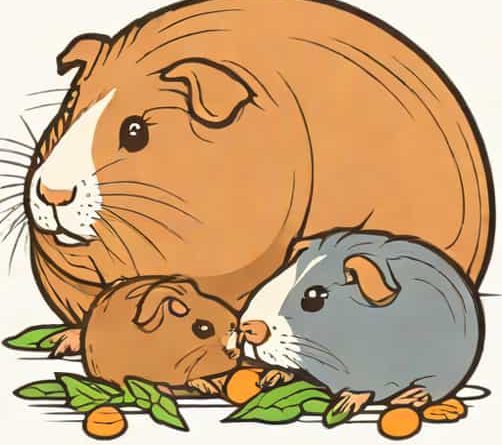
Do Guinea Pigs Eat Their Babies
Guinea pigs are popular small pets known for their gentle nature, social behavior, and expressive squeaks. While they are generally nurturing animals, many pet owners sometimes worry about the possibility of a mother guinea pig harming or eating her babies. This concern is rooted in behaviors observed in some rodents, but it is important to understand the context, causes, and frequency of such occurrences in guinea pigs. Examining why guinea pigs might exhibit unusual behavior towards their offspring and how to prevent it can help owners ensure a safe and healthy environment for both the mother and her babies.
Understanding Guinea Pig Reproduction
Guinea pigs reach sexual maturity at a relatively young age, with females able to reproduce as early as 4-6 weeks, though it is safer to breed them later. A typical pregnancy lasts about 59-72 days, and females usually give birth to litters ranging from one to six pups. Unlike many rodents, guinea pig pups are born fully furred, with open eyes, and are capable of eating solid food within hours. This precocial development means they are relatively independent from birth, though the mother still provides important care and protection.
Maternal Behavior in Guinea Pigs
Mother guinea pigs, also known as sows, are generally attentive and protective. They nurse their pups, keep them warm, and guide them to food and water. In most cases, a sow will actively care for her litter, showing nurturing behavior rather than aggression. Social factors, stress, and environmental conditions play a significant role in influencing maternal behavior, and deviations from normal care are usually caused by specific stressors rather than natural instincts to harm.
Do Guinea Pigs Eat Their Babies?
Instances of guinea pigs eating their babies, also known as filial cannibalism, are extremely rare. Unlike some rodent species that may occasionally consume offspring due to overcrowding, stress, or lack of resources, guinea pigs have little natural tendency to harm their young. Most reports of cannibalism are linked to unusual or extreme conditions, rather than typical behavior. When it does occur, it is often a result of the mother perceiving a pup as weak, sick, or unviable, which is an instinctual attempt to protect the rest of the litter.
Factors That May Lead to Cannibalism
- StressLoud noises, overcrowding, or frequent handling can stress a mother and disrupt normal maternal behavior.
- Illness or WeaknessPups that are sick, deformed, or weaker than their siblings may be rejected or occasionally eaten by the mother.
- Poor NutritionA malnourished mother may be more prone to cannibalistic tendencies, although this is rare in domestic guinea pigs with adequate diets.
- InexperienceFirst-time mothers may display confusing behavior due to inexperience, sometimes leading to accidental injury or neglect of pups.
Preventing Harm to Guinea Pig Babies
Ensuring a safe environment for the mother and her pups significantly reduces the risk of unusual behavior, including cannibalism. Providing appropriate care, nutrition, and stress-free surroundings is essential.
Creating a Safe Nesting Environment
The cage or enclosure should be quiet, clean, and spacious enough for the mother and her litter. Avoid placing the cage in areas with excessive noise, other pets, or frequent human disturbance. Bedding should be soft and absorbent, and the nesting area should allow the mother to move freely while keeping pups safe.
Proper Nutrition
A well-fed mother is less likely to exhibit harmful behavior. High-quality hay, fresh vegetables, and a steady supply of clean water are crucial. Calcium and vitamin-rich foods support lactation and overall health, helping the mother care for her pups adequately.
Monitoring First-Time Mothers
First-time mothers may need closer observation to ensure proper care. While it is important not to disturb the litter excessively, periodic checks can help identify any issues early. Intervening if a pup is being neglected or the mother is overly stressed can prevent harm and promote healthy maternal behavior.
Signs of a Healthy Mother and Litter
Understanding normal behaviors and signs of health in both the mother and pups helps owners distinguish between typical care and potential problems.
Healthy Maternal Behavior
- The mother actively nurses her pups and keeps them clean.
- She stays near the pups without showing aggression.
- She responds to the pups’ calls and guides them to food and water.
Healthy Pups
- Pups are active, alert, and feeding regularly.
- They show normal growth patterns and gain weight steadily.
- Their fur is soft and clean, and they move freely within the nest.
When to Intervene
While most guinea pigs care for their young without issues, owners should be prepared to intervene if necessary. Signs that intervention may be needed include persistent aggression by the mother, neglect of feeding, or injury to the pups. In such cases, consulting a veterinarian or an experienced guinea pig breeder is recommended. Temporary hand-rearing may be required in extreme situations to ensure the survival and well-being of the pups.
Hand-Rearing Pups
If intervention is necessary, hand-feeding using specially formulated guinea pig milk replacers can help sustain the pups. Feeding should be done carefully and frequently, mimicking natural nursing intervals. Additionally, maintaining warmth and hygiene is essential for the survival of hand-reared pups.
In summary, guinea pigs do not normally eat their babies, and cases of cannibalism are rare and usually linked to stress, illness, or inexperience. By providing a safe, quiet, and well-nourished environment, owners can ensure that the mother guinea pig cares for her pups appropriately. Understanding maternal behaviors, recognizing signs of healthy development, and knowing when to intervene can prevent complications and support the well-being of both mother and litter. Educating guinea pig owners about these behaviors helps reduce unnecessary worry and promotes responsible care, ultimately creating a healthier, safer environment for these beloved pets.