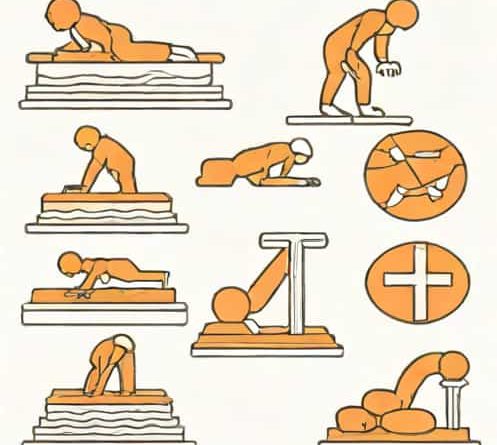
Exercise For Piles And Fissure
Piles and anal fissures are common conditions that can cause significant discomfort, pain, and difficulty in daily life. While medical treatments and dietary adjustments are often recommended, exercise plays a crucial role in both prevention and management. Engaging in appropriate physical activity improves blood circulation, strengthens pelvic muscles, promotes bowel regularity, and reduces the pressure on veins in the rectal area. Understanding which exercises are safe and effective for piles and fissures can help individuals manage symptoms, accelerate healing, and prevent recurrence without exacerbating pain or causing additional complications.
Understanding Piles and Fissures
Piles, also known as hemorrhoids, are swollen veins in the lower rectum or anus that can cause pain, itching, and bleeding. Anal fissures are small tears in the lining of the anus that result in sharp pain during bowel movements and occasional bleeding. Both conditions are influenced by factors such as constipation, prolonged sitting, straining during defecation, and weak pelvic muscles. Exercise for piles and fissures focuses on reducing pressure in the anal region, improving muscle tone, and promoting healthy bowel movements to relieve symptoms and support long-term healing.
Benefits of Exercise for Piles and Fissures
- Enhances blood circulation in the lower body, reducing swelling and discomfort
- Strengthens pelvic floor muscles, which support rectal structures
- Promotes regular bowel movements, minimizing constipation and straining
- Improves overall digestive health and metabolism
- Helps maintain a healthy weight, reducing pressure on veins
- Reduces stress, which can indirectly affect bowel function and muscle tension
Recommended Exercises
Not all forms of exercise are suitable for individuals with piles or fissures. High-impact or strenuous activities that involve heavy lifting or prolonged sitting can worsen symptoms. Safe exercises tend to be low-impact, promote blood flow, and strengthen the pelvic floor and core muscles. Incorporating these exercises into a daily routine can significantly improve recovery and prevent recurrence.
Kegel Exercises
Kegel exercises are highly recommended for strengthening pelvic floor muscles, which support the rectum and anal canal. By improving muscle tone, these exercises help reduce the pressure on swollen veins and promote healing of fissures. To perform Kegels, tighten the muscles used to stop urination, hold for 5 to 10 seconds, then relax. Repeat this process 10 to 15 times, three times a day. Consistent practice enhances muscle strength, improves bowel control, and reduces symptoms associated with piles and fissures.
Walking
Walking is a simple and effective low-impact exercise that promotes blood circulation and encourages bowel movements. A daily walk of 20 to 30 minutes helps reduce venous pressure in the rectal area, preventing the aggravation of hemorrhoids and easing discomfort from fissures. Walking also aids digestion, supports weight management, and alleviates stress, all of which are beneficial for managing piles and fissures.
Yoga and Stretching
Certain yoga poses and stretching exercises can relieve pressure on the anal region, improve circulation, and promote relaxation of pelvic muscles. Poses such as the child’s pose, bridge pose, and seated forward bend gently stretch the lower back, hips, and pelvis, which can reduce discomfort from piles. Incorporating deep breathing and relaxation techniques during yoga also helps improve bowel function and reduce stress-related constipation that may exacerbate fissures.
Squats and Pelvic Lifts
Squats and pelvic lifts, when performed correctly, strengthen the gluteal and pelvic floor muscles. For piles and fissures, it is important to avoid deep or rapid squats that strain the lower rectum. Instead, gentle, controlled movements can improve muscle tone and circulation. Pelvic lifts involve lying on the back with knees bent, lifting the hips toward the ceiling, and holding the position for a few seconds before lowering. Repeating this exercise 10 to 15 times helps reduce venous pressure and supports overall pelvic health.
Precautions and Tips
While exercise is beneficial, it is essential to follow certain precautions to avoid worsening symptoms of piles and fissures. Straining, heavy lifting, and high-impact activities should be avoided, especially during flare-ups. Proper hydration, fiber-rich diets, and adequate rest complement exercise for effective management. Wearing comfortable clothing and using cushioned surfaces during exercises can also reduce discomfort. Listening to the body and gradually increasing intensity ensures that exercises remain safe and effective for long-term recovery.
Additional Lifestyle Recommendations
- Consume a high-fiber diet to prevent constipation and reduce straining
- Stay well-hydrated to soften stools
- Avoid prolonged sitting or standing to reduce venous pressure
- Use warm sitz baths to relieve pain and improve circulation
- Incorporate regular movement breaks throughout the day
- Consult a healthcare provider for personalized exercise guidance
Exercise for piles and fissures plays a critical role in both treatment and prevention. Low-impact activities such as Kegel exercises, walking, yoga, and gentle squats promote blood circulation, strengthen pelvic muscles, and support healthy bowel function. By integrating these exercises into a daily routine, individuals can alleviate pain, reduce swelling, and accelerate healing of hemorrhoids and anal fissures. Combined with dietary adjustments, proper hydration, and lifestyle modifications, exercise offers a holistic approach to managing these conditions. Consistency, caution, and gradual progression in exercise routines ensure that individuals achieve long-term relief while minimizing the risk of recurrence or complications. Overall, incorporating exercise as part of a comprehensive management plan empowers individuals to take control of their health, improve their quality of life, and maintain optimal digestive and pelvic health.