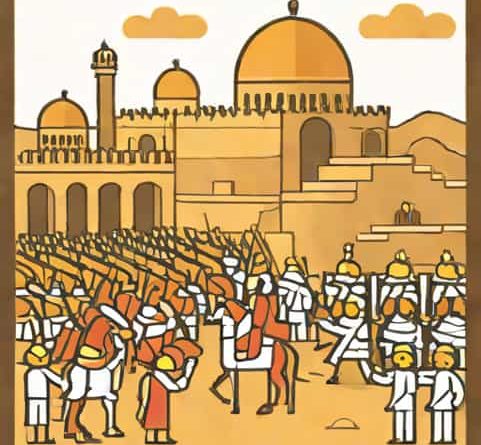
Siege Of Jerusalem Sennacherib
The siege of Jerusalem by Sennacherib, the Assyrian king, is one of the most significant events in ancient Near Eastern history, blending historical fact with biblical narrative. This military campaign took place during the late 8th century BCE, around 701 BCE, when the Assyrian Empire was at the height of its power. Sennacherib aimed to expand his empire and subjugate rebellious kingdoms, including Judah, which had previously resisted Assyrian domination. The siege is remembered for both its military and religious implications, leaving a lasting mark on historical and theological accounts.
Background of the Assyrian Empire
The Assyrian Empire, centered in northern Mesopotamia, was one of the most powerful empires of the ancient world. Known for its advanced military strategies, extensive bureaucracy, and use of psychological warfare, Assyria expanded aggressively under several kings, including Tiglath-Pileser III and Sargon II. Sennacherib, who reigned from 705 to 681 BCE, inherited an empire that required strong control over conquered territories. His reign was characterized by both monumental building projects and relentless military campaigns, aimed at consolidating Assyrian authority throughout the Near East.
Political Context Leading to the Siege
During Sennacherib’s reign, the Kingdom of Judah, under King Hezekiah, became a focal point of rebellion against Assyrian authority. Hezekiah allied with other neighboring states in an attempt to resist Assyrian control, which was seen as a direct challenge to the empire. This defiance prompted Sennacherib to lead a campaign into the region to reassert dominance, punish disobedience, and secure tribute from rebellious kingdoms. The political stakes were high, as Assyria needed to maintain its reputation as an unstoppable military power to deter further resistance across its vast territories.
The Siege and Military Campaign
The siege of Jerusalem was part of a larger campaign by Sennacherib in the Levant. Assyrian forces captured numerous cities in Judah, including Lachish, which was heavily fortified and strategically significant. Archaeological evidence, such as the Lachish reliefs discovered in Nineveh, depicts the brutal Assyrian siege tactics, including battering rams, siege towers, and mass deportations of conquered populations. Despite the overwhelming military power of Sennacherib’s army, Jerusalem itself, protected by its fortifications and the leadership of Hezekiah, resisted direct capture.
Biblical Account of the Siege
The siege of Jerusalem is described in the Hebrew Bible, particularly in the books of 2 Kings, Isaiah, and 2 Chronicles. According to the biblical narrative, Sennacherib sent threatening messages demanding submission and tribute. King Hezekiah, in response, prayed to God for deliverance. The biblical account emphasizes divine intervention, stating that an angel of the Lord struck down a large number of Assyrian soldiers, causing Sennacherib to retreat. While the historical accuracy of the biblical version is debated, it reflects the significance of faith and the theological interpretation of events in Judah.
Assyrian Records and Historical Evidence
Assyrian inscriptions provide a different perspective on the siege. Sennacherib’s own annals, carved on clay prisms such as the Taylor Prism, describe his campaign in Judah in detail. According to these records, he claims to have trapped Hezekiah in Jerusalem like a caged bird and received tribute from the city, but they do not mention the capture of Jerusalem itself. These records highlight the Assyrian emphasis on military prowess and propaganda, showcasing the king’s accomplishments while omitting setbacks or defeats. Comparing these records with archaeological evidence and biblical accounts allows historians to reconstruct a more nuanced understanding of the siege.
Strategic Importance of Jerusalem
Jerusalem was a critical city due to its political, religious, and geographical significance. Situated on elevated terrain with formidable walls, the city was difficult to assault directly. Its position allowed control over trade routes and offered natural defensive advantages. Hezekiah’s preparation, including reinforcing the city walls and securing water supplies through the construction of the Siloam Tunnel, strengthened Jerusalem’s resistance against the Assyrian army. The siege demonstrated the importance of strategic urban planning and defensive engineering in ancient warfare.
Impact and Aftermath
The siege had significant consequences for both Judah and the Assyrian Empire. Although Jerusalem was not captured, Judah was forced to pay tribute to Assyria, ensuring a temporary political settlement. The campaign also served as a warning to other states about the power of Assyria, reinforcing the empire’s reputation as a dominant force. For Jerusalem and the Kingdom of Judah, the event became a defining moment of resilience and faith, influencing religious thought and historical memory for centuries. Archaeological and textual studies continue to examine the siege’s impact on regional politics, economy, and cultural identity.
Archaeological Evidence
Excavations in Judah and Assyrian sites provide material evidence of the siege and broader military campaigns. The Lachish reliefs in Nineveh vividly depict the Assyrian assault on fortified cities, showing soldiers, siege engines, and deported captives. In Jerusalem, discoveries such as the Siloam Tunnel and remnants of Hezekiah’s fortifications illustrate the city’s defensive measures. These findings corroborate historical accounts and provide insight into the engineering, logistics, and daily life during periods of conflict.
Historical and Theological Significance
The siege of Jerusalem by Sennacherib holds dual importance. Historically, it reflects the expansionist strategies of the Assyrian Empire and the political dynamics of the ancient Near East. Theologically, particularly in the Judeo-Christian tradition, it symbolizes divine protection and the role of faith in the survival of a city and its people. The story continues to inspire religious reflection and scholarly discussion about the interplay between human agency and divine intervention in historical events.
The siege of Jerusalem by Sennacherib remains a pivotal event in ancient history, blending military, political, and religious narratives. The campaign illustrates the might of the Assyrian Empire, the strategic resilience of Jerusalem, and the theological interpretations that emerged in response to the conflict. By examining archaeological evidence, Assyrian records, and biblical accounts, historians gain a comprehensive understanding of the siege, its causes, and its consequences. The event continues to captivate scholars and readers alike, highlighting the enduring legacy of ancient warfare and the profound influence of faith in shaping historical memory.