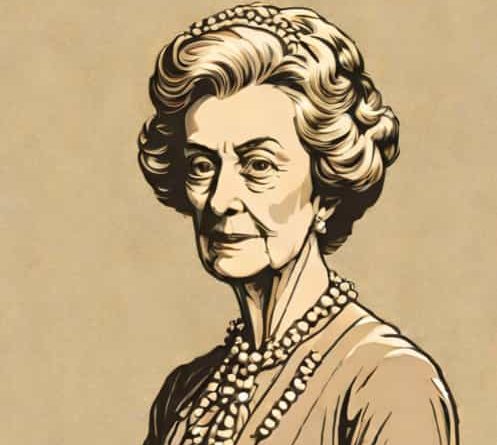
Georgiana Duchess Of Devonshire
Georgiana, Duchess of Devonshire, was one of the most captivating figures in 18th-century Britain. Born into privilege yet burdened by societal expectations, she became a symbol of beauty, politics, fashion, and scandal. Her life reflected both the glamour and the constraints of aristocratic womanhood in Georgian England. Known for her charm, intelligence, and influence, Georgiana’s legacy goes far beyond her title as Duchess of Devonshire she was a pioneer of female political engagement and a complex personality whose triumphs and tragedies continue to fascinate historians and readers today.
Early Life and Family Background
Georgiana Spencer was born on June 7, 1757, into one of England’s wealthiest and most powerful families. Her father, John Spencer, was the 1st Earl Spencer, and her mother, Margaret Georgiana Poyntz, was known for her refinement and intellect. The Spencer family’s wealth and influence placed Georgiana in the center of British high society from birth. As a child, she showed signs of keen intelligence and a lively spirit, traits that would later make her one of the most admired women in England.
In her youth, Georgiana was educated in literature, music, and social manners, preparing her for a role as a high-born lady. Like many women of her era, her education emphasized charm and cultural knowledge rather than academic study. Yet, her curiosity and empathy set her apart from her peers. At seventeen, her life changed dramatically when she married William Cavendish, the 5th Duke of Devonshire, one of the richest and most influential men in Britain.
Marriage to the Duke of Devonshire
The marriage between Georgiana and the Duke in 1774 was arranged, as was typical among the aristocracy. However, their union was far from a happy one. The Duke was reserved, emotionally distant, and unfaithful, while Georgiana was affectionate, sociable, and yearned for love and companionship. The contrast between them created tension in their marriage and left Georgiana feeling lonely despite her grand surroundings at Chatsworth House, the family’s estate.
Georgiana’s role as Duchess of Devonshire came with immense responsibility. She became a leader of fashion, a patron of the arts, and an influential political hostess. Yet, her personal life was complicated by her husband’s long-term relationship with Lady Elizabeth Foster, known as Bess. Remarkably, Georgiana and Bess became close friends despite the unconventional nature of their relationship, which scandalized society. Their unusual household arrangement lasted for years and became one of the most talked-about situations in the Georgian era.
The Duchess as a Fashion Icon
Georgiana, Duchess of Devonshire, was one of the most celebrated fashion icons of her time. Her distinctive style influenced trends across Europe, from elaborate gowns and towering hairstyles to extravagant hats and feathers. Women of all classes sought to imitate her appearance, and newspapers regularly published descriptions of her clothing and beauty.
Her fashion choices were more than superficial they reflected her personality and status. Through her wardrobe, Georgiana expressed creativity, confidence, and leadership in a male-dominated society. She was also known for organizing extravagant balls and gatherings, which became important social events for the British elite. Fashion, in Georgiana’s case, became both art and power, helping her maintain her place at the center of London society.
Trends Popularized by Georgiana
- High powdered wigs adorned with feathers and jewels.
- Wide gowns with intricate embroidery and bold colors.
- Elegant accessories like ribbons, fans, and delicate gloves.
- Subtle makeup emphasizing natural beauty, which became known as the Devonshire look.
Political Involvement and Influence
What truly set Georgiana apart from other noblewomen was her active participation in politics. During the late 18th century, women were generally excluded from formal political roles, yet Georgiana defied convention. As a prominent supporter of the Whig Party, she used her charm and influence to campaign for reformist candidates, including Charles James Fox, a close friend and leading figure in Parliament.
Georgiana’s political involvement made her a pioneer. She canvassed in public, speaking directly to voters something unheard of for a woman of her rank. This boldness drew admiration from Whig supporters but criticism from conservatives, who viewed her actions as improper. Nevertheless, her political influence was undeniable. She played a key role in shaping public opinion, helping to transform politics into a more socially engaging and media-driven arena.
Her Relationship with Charles James Fox
Georgiana’s friendship with Charles James Fox was both political and personal. She supported his vision for a more liberal and democratic Britain, opposing the authoritarian policies of King George III’s government. Their partnership symbolized the new power of social networking and charisma in politics. Fox once referred to her as the spirit of liberty, acknowledging her ability to connect emotional passion with political ideals.
Scandal, Gambling, and Exile
Despite her public success, Georgiana’s private life was fraught with struggles. One of her most destructive habits was gambling. Like many aristocrats of her era, she was drawn to the excitement of betting and card games, but her debts eventually grew enormous reportedly reaching tens of thousands of pounds. To protect her reputation and avoid scandal, she often borrowed money secretly, deepening her financial woes.
Her personal life became even more complicated when she fell in love with Charles Grey, a young Whig politician who would later become Prime Minister. Their affair resulted in the birth of an illegitimate daughter, Eliza Courtney. To prevent public disgrace, Georgiana was forced into exile in France, where she gave birth in secrecy. The pain of separation from her child haunted her for the rest of her life, even after she was eventually allowed to return to England.
Return to Society and Later Years
After her return, Georgiana resumed her role as Duchess but lived more quietly than before. The scandals of her past had damaged her health and reputation, though she gradually regained respect through her grace, intellect, and continued involvement in the arts. She devoted herself to writing and social causes, particularly the education of women and the welfare of the poor.
In her final years, Georgiana’s health declined, possibly due to stress and earlier hardships. She passed away on March 30, 1806, at the age of 48. Her death was deeply mourned across Britain. Even her husband, the Duke, who had long been emotionally distant, reportedly wept over her loss a rare expression of affection from a man known for restraint.
Legacy of the Duchess of Devonshire
Georgiana’s legacy endures through her impact on fashion, politics, and culture. She helped redefine what it meant to be a woman of influence in an age that limited female participation in public life. Her charisma and courage allowed her to navigate a world dominated by men, using her beauty and intelligence as tools of empowerment rather than submission.
In literature and film, Georgiana’s life has inspired countless portrayals. She has been compared to later figures such as Princess Diana another Spencer woman admired for her grace, public role, and personal struggles. Both women shared a deep compassion for others and a longing for genuine love amid the rigid expectations of nobility.
Contributions to British Culture
- Helped make women more visible in political discourse.
- Transformed fashion into a form of social and artistic expression.
- Encouraged public engagement in politics through personal influence.
- Left behind a story that continues to inspire modern ideas of femininity and independence.
Georgiana, Duchess of Devonshire, remains a fascinating symbol of beauty, intellect, and complexity. Her life was filled with contradictions privilege and pain, fame and scandal, love and loss. She used her position to influence fashion, politics, and society in ways that were revolutionary for her time. More than two centuries later, her story still resonates as a portrait of a woman who dared to live passionately, think independently, and challenge the expectations of her world. In every sense, Georgiana Spencer was not only the Duchess of Devonshire but also a timeless figure of strength and human depth.