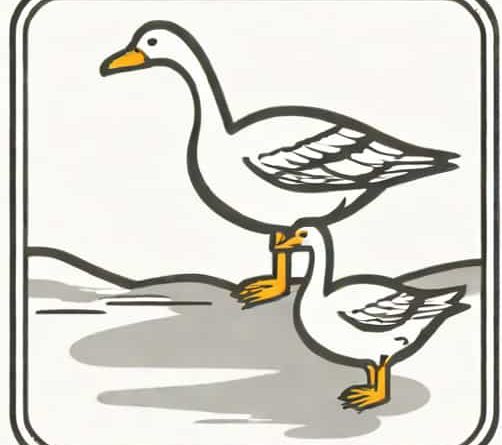
Can Geese Injure You
Geese are commonly seen in parks, ponds, and rural areas, often admired for their graceful movements and striking plumage. While they may appear calm and harmless, it is important to recognize that geese can be surprisingly aggressive, particularly when they feel threatened, are protecting their young, or are defending their territory. Understanding how geese behave, the types of injuries they can cause, and how to safely interact with them is essential for both outdoor enthusiasts and those living near geese habitats. Although goose attacks are rarely fatal, they can still result in bites, scratches, and other injuries that require attention.
Understanding Goose Behavior
Geese are territorial birds, especially during the breeding season. They are highly protective of their nests and goslings, and their natural instincts drive them to ward off any perceived threats. This behavior can manifest as hissing, flapping wings, or charging at humans and animals. Even adult geese without offspring may exhibit defensive behavior if they feel cornered or threatened. Learning to recognize these warning signs can help prevent injuries and avoid unnecessary conflicts.
Why Geese Can Be Aggressive
Several factors contribute to aggressive goose behavior
- Protecting their youngGoslings are vulnerable, and parent geese will often attack intruders to safeguard them.
- Defending territoryGeese establish territories around their nesting sites or feeding areas and can become aggressive toward anyone entering that space.
- Food expectationsIn areas where humans frequently feed geese, birds may become bold and confrontational, expecting food from passersby.
- Seasonal changesDuring mating and nesting seasons, hormonal fluctuations can increase irritability and defensive behavior.
Types of Injuries Geese Can Cause
While geese are not equipped with venom or sharp teeth, they possess strong beaks and powerful wings capable of causing injuries. Common injuries include
- BitesGoose beaks can puncture skin, leaving painful wounds that may require cleaning and, in some cases, medical attention to prevent infection.
- ScratchesWing feathers and claws can cause scratches, particularly if a goose flaps its wings violently while attacking.
- Falls and collisionsA sudden charge from a goose can startle people, causing trips or falls that may result in bruises, sprains, or fractures.
- Psychological stressRepeated aggressive encounters can cause anxiety and stress, particularly in children or those unfamiliar with wildlife.
How Serious Are Goose Attacks?
Injuries from geese are generally minor, but they can be serious under certain circumstances. For example, bites that break the skin can become infected if not properly cleaned, and people with allergies or immune deficiencies may experience more severe reactions. Additionally, aggressive goose behavior can pose risks to cyclists, joggers, and small children if startled by a charging bird. It is important to treat all injuries seriously and seek medical advice if there is significant bleeding, deep puncture wounds, or signs of infection.
Preventing Injuries from Geese
Awareness and caution are key to avoiding injuries from geese. The following strategies can help minimize the risk
- Keep your distanceAvoid approaching geese, especially during nesting season. Observe them from a safe distance.
- Do not feed geeseFeeding encourages bold behavior and increases the likelihood of aggressive interactions.
- Move calmlySudden movements can startle geese. Walk slowly and avoid making loud noises near nesting areas.
- Protective barriersIn areas with high goose populations, consider using fences or signage to mark territories and keep people and pets safe.
- Educate childrenTeach children to respect wildlife and never attempt to touch or chase geese.
What to Do During a Goose Encounter
If a goose approaches aggressively, the following steps can help prevent injury
- Maintain eye contact without staring aggressively, as this can assert confidence without provoking the bird.
- Slowly back away from the goose, avoiding sudden turns or running, which may trigger a chase.
- Use a barrier if available, such as a backpack or jacket, to shield yourself from beaks or wings.
- If accompanied by pets, keep them on a leash to prevent them from provoking the goose.
- Stay calm and avoid yelling, which may escalate aggression.
Geese and Children
Children are particularly vulnerable to goose attacks due to their smaller size and curiosity. Parents and guardians should teach children not to approach geese, especially when they are near water bodies or nesting areas. Close supervision and education about wildlife respect are crucial to preventing bites and scratches. In areas with high goose populations, children should be reminded to stay on paths and avoid wandering into grassy areas where geese may be nesting.
Medical Treatment for Goose Injuries
Most minor goose injuries can be treated at home with proper wound care
- Wash bites or scratches thoroughly with soap and water.
- Apply an antiseptic to prevent infection.
- Cover the wound with a clean bandage until it heals.
- Monitor for signs of infection, such as redness, swelling, or pus.
- Seek medical attention if the bite is deep, bleeding heavily, or shows signs of infection.
It is also advisable to update tetanus vaccinations if the injury breaks the skin, particularly in outdoor settings.
While geese are often admired for their beauty and presence in parks and natural settings, they can indeed injure humans under certain circumstances. Bites, scratches, and falls are the most common types of injuries, typically occurring when geese feel threatened, are protecting their young, or are expecting food. By understanding goose behavior, maintaining a safe distance, and educating others especially children about the risks, it is possible to coexist safely with these birds. Awareness, caution, and respect for their territorial instincts are the best ways to prevent injuries and ensure safe encounters with geese.
In summary, geese are capable of causing harm, but with proper knowledge and precautions, most interactions can be managed safely. Their aggression is usually defensive rather than predatory, and injuries are rarely severe when precautions are followed. Appreciating geese from a distance and respecting their natural behavior helps minimize risks while allowing humans to enjoy observing these fascinating birds in their habitats.