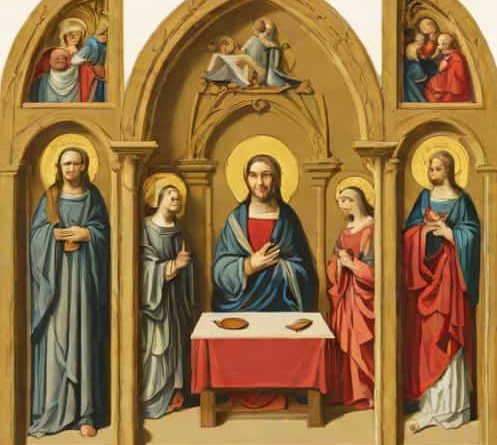
Ghent Altarpiece Missing Panel
The Ghent Altarpiece, also known as the Adoration of the Mystic Lamb, is one of the most celebrated masterpieces of Early Netherlandish painting, created by Hubert and Jan van Eyck in the early 15th century. While the polyptych has survived centuries of turmoil, theft, and restoration, it is not without mystery. Among its panels, one is particularly intriguing due to its disappearance a missing panel that has sparked speculation, scholarly debate, and countless searches over the years. The story of the missing Ghent Altarpiece panel highlights the challenges of preserving cultural heritage, the allure of lost art, and the enduring fascination with one of the most important works in Western art history.
Historical Context of the Ghent Altarpiece
The Ghent Altarpiece was commissioned for the Saint Bavo Cathedral in Ghent, Belgium, and completed in 1432. This monumental work consists of multiple panels, depicting complex religious narratives and offering a visual theology that combines intricate realism with spiritual symbolism. The altarpiece is renowned for its meticulous attention to detail, its innovative use of oil paints, and its vibrant depiction of biblical scenes.
Structure and Composition
The altarpiece comprises 12 main panels when closed, which expand into 24 panels when opened. The central theme is the adoration of the Lamb of God, surrounded by prophets, saints, angels, and patrons. Each panel contributes to a larger narrative, and the unity of the work reflects the theological and artistic sophistication of the Van Eyck brothers. Despite its preservation and restoration over centuries, the absence of a specific panel has drawn considerable attention from historians and art enthusiasts alike.
The Mystery of the Missing Panel
The missing panel of the Ghent Altarpiece is believed to have been removed at some point in history, though records are vague, and its exact fate remains uncertain. Some scholars suggest it may have been stolen during periods of political upheaval, such as the iconoclasm of the 16th century, the French Revolutionary wars, or during World War II. Others theorize that it could have been damaged and subsequently lost or destroyed, a not uncommon fate for large-scale altarpieces that were often subject to environmental hazards and human interference.
Historical Theories and Speculation
- IconoclasmDuring the Protestant Reformation, many religious artworks were targeted for destruction. The missing panel may have been deliberately removed or destroyed during this period of religious turmoil.
- War LootingArtworks were frequently looted during wars. The missing Ghent panel could have been taken as spoils of war, particularly during the Napoleonic Wars or World War II.
- Private CollectionThere is speculation that the panel may have entered a private collection at some point, hidden from public knowledge and unrecorded in art historical inventories.
- Restoration and ReplacementsSome historians believe the panel could have been removed for restoration purposes and never returned, leading to permanent loss.
Attempts at Recovery
Over the centuries, the missing panel has been the subject of numerous investigations and searches by art historians, museum curators, and even treasure hunters. Various archival sources have been scoured to find any mention of the panel’s fate, including cathedral records, auction catalogs, and wartime inventories. Despite these efforts, no definitive evidence of the panel’s current location has been discovered.
World War II and Art Recovery Efforts
During World War II, the Nazis systematically looted artworks across Europe, and the Ghent Altarpiece itself was temporarily removed and hidden to protect it from destruction. While most of the altarpiece was recovered and returned to Belgium, there remains speculation that some components, including the missing panel, may have been separated and either destroyed or retained by private collectors. Post-war recovery efforts involved international coordination, yet the mystery of the panel endures.
Significance of the Missing Panel
The missing panel is not just a curiosity; it represents a gap in one of the most significant works of Northern Renaissance art. Its absence affects the overall narrative and iconography of the altarpiece. Each panel in the Ghent Altarpiece contributes to the theological story, and missing pieces create interpretive challenges for scholars attempting to understand the original intent of the Van Eyck brothers.
Artistic and Cultural Impact
The missing panel also serves as a reminder of the fragility of cultural heritage. The Ghent Altarpiece has survived wars, theft, and vandalism, yet the loss of even one panel demonstrates how historical events can permanently alter artistic masterpieces. The fascination with the missing piece has inspired academic research, exhibitions discussing art theft and recovery, and even public awareness campaigns about the protection of cultural assets.
Modern Technology and Investigations
In recent years, advances in technology have aided the investigation into the missing panel. High-resolution imaging, infrared reflectography, and archival digitization allow researchers to study existing panels in extraordinary detail, seeking clues about the missing component. While these methods cannot physically recover the panel, they enhance understanding of the altarpiece’s original composition and provide insights that could one day lead to the panel’s discovery.
Reproductions and Reconstructions
To address the gap left by the missing panel, some art historians and institutions have attempted digital reconstructions based on historical records, sketches, and copies from the 15th and 16th centuries. These efforts aim to provide viewers and scholars with a more complete understanding of the altarpiece’s original visual impact, though they remain speculative until the missing piece is found.
The story of the Ghent Altarpiece’s missing panel continues to intrigue scholars, historians, and art enthusiasts around the world. Its disappearance is a testament to the complex history of European art, where religious upheavals, wars, and human intervention have left lasting marks on cultural heritage. Despite extensive research, technological advancements, and numerous hypotheses, the panel’s whereabouts remain unknown, maintaining its aura of mystery. The missing Ghent Altarpiece panel underscores the importance of protecting and preserving art, as even the loss of a single component can alter the legacy of one of the most celebrated masterpieces in art history. As investigations continue and public interest endures, there is always hope that one day the missing panel will be rediscovered, completing the iconic narrative envisioned by Hubert and Jan van Eyck.