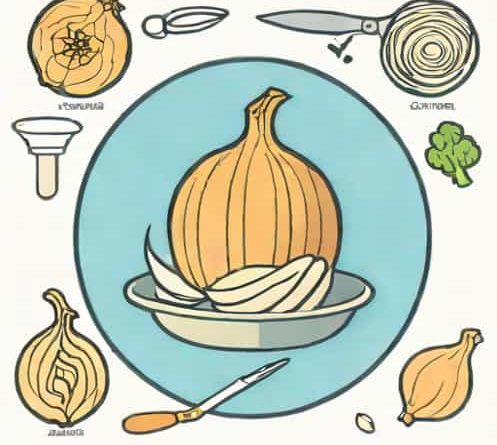
How To Cut Onions For Sauteing
Cutting onions for sautéing is a fundamental skill in the kitchen that can dramatically improve the flavor and texture of your dishes. Onions are a versatile ingredient used in countless recipes, from soups and stews to stir-fries and sauces. Sautéing onions brings out their natural sweetness and adds depth to any meal. However, the way you cut onions can influence cooking time, consistency, and even how the onion releases its flavor. Learning proper techniques for cutting onions ensures uniform cooking and enhances your culinary results.
Choosing the Right Onion
Before you start cutting onions for sautéing, it’s important to select the right type of onion for your recipe. Different onions have distinct flavors and textures that affect the outcome of your dish. Common types include yellow onions, white onions, and red onions. Yellow onions are ideal for sautéing because they develop a rich, sweet flavor as they cook. White onions have a sharper taste and are better for recipes that require a more pungent flavor, while red onions are often used raw or lightly cooked for color and mild sweetness.
Tips for Selecting Onions
- Choose onions that are firm and heavy for their size.
- Avoid onions with soft spots, sprouts, or mold.
- Yellow onions are best for caramelizing and sautéing.
- Smaller onions may cook faster and more evenly than very large ones.
Preparing Your Workspace
Proper preparation ensures safety and efficiency when cutting onions. Start by clearing a stable workspace and having a sharp chef’s knife and cutting board ready. Using a sharp knife reduces the risk of slipping and helps you create clean, even cuts. A damp towel under your cutting board can prevent it from sliding, providing a safer cutting surface.
Necessary Tools
- Sharp chef’s knife or utility knife.
- Cutting board, preferably wooden or plastic.
- Damp kitchen towel to stabilize the board.
- Bowl for collecting chopped onions.
- Optional a fan or vent to reduce tearing from onion fumes.
Steps to Cut Onions for Sautéing
Cutting onions for sautéing involves several key steps to ensure uniform pieces that cook evenly. The goal is to create slices or diced onions that are similar in size, which allows for consistent caramelization and flavor development.
Step 1 Trim and Peel
Start by cutting off the top stem of the onion while leaving the root end intact. The root helps hold the layers together while you cut. Slice the onion in half from top to root, and remove the papery outer skin. If necessary, peel away any tough or dry layers beneath the skin to expose the fresh onion layers.
Step 2 Slice or Dice the Onion
The method of cutting depends on the type of sautéed dish you are preparing. Sliced onions work well for stir-fries or caramelized onions, while diced onions are ideal for sauces, soups, and stews.
- SlicingPlace the onion half cut-side down. Make parallel cuts from top to root at the desired thickness. Thinner slices cook faster and caramelize more evenly, while thicker slices retain more texture.
- DicingFor diced onions, make horizontal cuts into the onion layers, then vertical cuts perpendicular to the horizontal ones. Finally, cut across the vertical lines to create small, uniform cubes.
Step 3 Keep Pieces Uniform
Uniformity is essential for sautéing because uneven pieces will cook at different rates. Larger pieces may remain crunchy while smaller pieces burn. Take your time to make each cut similar in size. Consistency ensures that all onions soften and caramelize evenly, giving your dish a balanced flavor.
Step 4 Optional Techniques
Some chefs prefer techniques that minimize onion tears and enhance flavor
- Chill onions in the refrigerator before cutting to reduce irritation to the eyes.
- Use a fan or open window to direct fumes away from your face.
- Cut onions near running water to reduce the release of sulfur compounds that cause tearing.
Preparing Onions for the Pan
After cutting, the onions are ready to be sautéed. Heat a pan with oil or butter over medium heat before adding the onions. Spread them evenly in the pan to ensure uniform cooking. Stir occasionally to prevent sticking and achieve even browning. Remember that sautéing is a gentle cooking method, so avoid cooking over too high a heat, which can burn the onions and create a bitter taste.
Tips for Sautéing
- Use enough oil or butter to coat the onions lightly.
- Maintain medium heat for gradual softening and caramelization.
- Stir frequently to prevent sticking and ensure even color.
- Adjust the heat if onions start to brown too quickly.
- Add seasonings such as salt or herbs toward the end of sautéing for optimal flavor.
Common Mistakes to Avoid
Even experienced cooks can make errors when cutting onions for sautéing. Awareness of these mistakes can improve your technique
- Using a dull knife, which causes uneven cuts and crushing.
- Cutting irregular pieces that cook unevenly.
- Overcrowding the pan, which traps moisture and prevents browning.
- Starting sautéing with a cold pan, which slows cooking and affects flavor.
- Leaving the root end intact after dicing, which can result in large, hard pieces.
Cleaning and Storing Cut Onions
After cutting onions, it’s important to store them properly if not used immediately. Place diced or sliced onions in an airtight container in the refrigerator. They will stay fresh for a few days and maintain their flavor. Avoid leaving cut onions exposed, as they can absorb odors from other foods and lose their quality. Clean your cutting board and knife thoroughly to prevent lingering onion smells.
Storage Tips
- Use airtight containers or resealable plastic bags.
- Label containers with the date of cutting.
- Store in the refrigerator at a consistent cool temperature.
- Use within 2 3 days for the best flavor and texture.
- Clean cutting tools and boards promptly to avoid odors and contamination.
Cutting onions properly for sautéing is a simple yet essential skill that can elevate the flavor and texture of your dishes. Selecting the right type of onion, preparing your workspace, and using precise cutting techniques ensures uniform pieces that cook evenly. Paying attention to slicing or dicing methods, maintaining consistency, and sautéing at the correct temperature results in sweet, flavorful onions that enhance any recipe. With these techniques, cutting onions becomes an efficient and enjoyable step in your cooking routine, allowing you to create delicious, well-balanced meals every time.