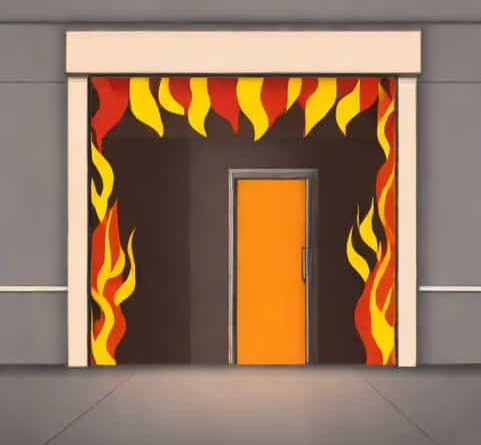
Station Nightclub Fire Doorway
The Station Nightclub fire, which occurred on February 20, 2003, in West Warwick, Rhode Island, remains one of the deadliest nightclub fires in United States history. The tragedy claimed 100 lives and left over 200 individuals injured, highlighting critical issues related to fire safety, building codes, and emergency egress. A key point of discussion in the aftermath of the fire was the nightclub’s doorway and exit configuration, which played a significant role in the rapid spread of the fire and the difficulty patrons faced while attempting to evacuate. Understanding the role of the doorway in this disaster sheds light on the importance of building design and safety regulations in public venues.
Background of The Station Nightclub Fire
The fire began during a performance by the band Great White when pyrotechnics ignited flammable soundproofing foam on the walls and ceiling near the stage. Within seconds, the fire grew into a massive blaze, filling the club with smoke and flames. Panic spread quickly among the crowd of approximately 462 people, who rushed toward the exits in an attempt to escape. Emergency response was challenged by the rapid progression of the fire and the chaotic environment inside the club.
The Doorway and Egress Issues
The nightclub’s main doorway and emergency exits became critical factors in the high casualty rate. The main entrance was a narrow doorway that opened inward, which created a bottleneck as panicked patrons attempted to flee. The inward-swinging door design prevented people from escaping efficiently because the crowd pressed against the door, making it impossible to open. This design flaw contributed to many fatalities and injuries, emphasizing the need for outward-swinging doors in public assembly spaces to facilitate rapid evacuation.
- Narrow DoorwayThe primary exit was smaller than recommended for the number of occupants, creating a dangerous congestion point.
- Inward-Swinging DoorsDoors that open inward can trap individuals during a mass evacuation, as pressure from the crowd prevents them from swinging open.
- Blocked Secondary ExitsSome emergency exits were either locked or not easily accessible, further complicating evacuation.
- Poor SignageLimited or unclear exit signage increased confusion and delayed escape efforts during the panic.
Consequences of the Doorway Design
The doorway’s configuration directly impacted the fire’s casualty rate. Many patrons were trapped near the entrance, unable to push the door open due to the pressure from the crowd. Others were overcome by smoke inhalation or burns while attempting to escape through less accessible exits. Fire investigators and safety experts later identified the doorway design as a major contributing factor to the high number of fatalities, highlighting a failure to comply with building codes that prioritize safe and accessible egress in public spaces.
Legal and Regulatory Impact
In the aftermath of the Station Nightclub fire, lawsuits, criminal charges, and regulatory reviews focused heavily on building safety and fire codes. Investigations revealed that the club had multiple code violations, including inadequate exits, flammable interior materials, and insufficient fire suppression systems. The doorway’s role in the disaster was cited in legal proceedings and became a case study for revising fire safety standards. Changes included stricter regulations on exit widths, mandatory outward-swinging doors, unobstructed egress, and improved emergency signage for public venues.
Lessons Learned for Fire Safety
The Station Nightclub fire doorway issues taught critical lessons about fire safety and emergency preparedness
- Public assembly venues must comply with building codes that ensure sufficient and accessible exits for all occupants.
- Doors should swing outward in high-occupancy spaces to facilitate rapid evacuation and prevent crowd pressure from blocking egress.
- Secondary exits must remain unlocked, clearly marked, and unobstructed to provide alternative escape routes.
- Regular fire inspections, drills, and staff training are essential to identify and mitigate potential hazards.
- Proper materials and fire-retardant construction reduce the likelihood of rapid fire spread in crowded environments.
Design Recommendations for Safe Doorways
Modern fire safety design incorporates several best practices to prevent tragedies like the Station Nightclub fire. Doorways and exits should be
- Wide enough to accommodate maximum occupancy with space for smooth flow of people
- Outward-swinging to avoid being blocked by a crowd
- Clearly marked with illuminated exit signs visible even in smoke or low light
- Equipped with panic hardware, allowing doors to open easily under pressure
- Regularly maintained to ensure functionality during emergencies
Impact on Public Awareness
The tragedy of the Station Nightclub fire increased public awareness about the importance of doorway design and egress in fire safety. Patrons now often look for clearly marked exits and evaluate safety features when attending crowded events. Building owners and managers are also more vigilant in complying with fire codes, conducting regular inspections, and educating staff on emergency protocols. The doorway’s role in this disaster serves as a stark reminder of how small design choices can have life-or-death consequences in emergency situations.
Commemorating the Victims and Advocating Change
In addition to regulatory reforms, memorials and advocacy groups have been established to honor the victims and promote fire safety awareness. Survivors and families of victims have actively participated in campaigns to ensure that public venues adhere to strict safety standards. Their efforts highlight the importance of learning from past tragedies to prevent future loss of life. The Station Nightclub fire doorway has become symbolic of broader issues in public safety design, reminding society that proactive measures can save countless lives.
The Station Nightclub fire doorway illustrates how critical design, adherence to building codes, and proper emergency planning are in public spaces. The inward-swinging, narrow door contributed to a catastrophic loss of life, emphasizing the need for wider, outward-opening exits and accessible secondary escape routes. Beyond the immediate tragedy, the fire led to reforms in fire safety regulations, increased public awareness, and ongoing discussions about best practices in crowd management and emergency preparedness. Understanding the lessons from this disaster ensures that future venues prioritize safety, prevent congestion at doorways, and provide patrons with the means to escape safely in emergencies.