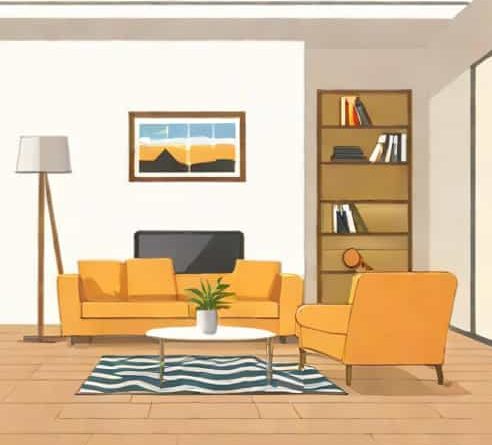
Living Room Mid Century Modern
Creating a living room that embodies the mid-century modern style is an art of balancing simplicity, functionality, and timeless design. This design movement, originating in the mid-20th century, emphasizes clean lines, organic forms, and a combination of natural and manufactured materials. A living room designed in this style not only offers aesthetic appeal but also promotes comfort and practicality, making it ideal for both everyday living and entertaining guests. The beauty of mid-century modern design lies in its ability to merge minimalist elegance with warmth, creating a space that feels curated yet inviting.
Characteristics of Mid-Century Modern Living Rooms
Mid-century modern living rooms are recognized for their distinctive features that make them both visually appealing and functional. The following elements are key to achieving this style
Simplicity and Clean Lines
One of the hallmarks of mid-century modern design is simplicity. Furniture often features clean, straight lines with minimal ornamentation. Sofas, chairs, and tables tend to have tapered legs, low profiles, and geometric shapes that contribute to a sense of spaciousness and uncluttered elegance.
Use of Natural Materials
Wood, leather, and metal are commonly used in mid-century modern living rooms. Teak, walnut, and oak are popular choices for furniture, while leather adds texture and comfort. Combining these materials helps create a natural, grounded feel that contrasts beautifully with more modern elements.
Functional Furniture
Functionality is just as important as aesthetics. Multi-purpose furniture such as storage ottomans, modular sofas, and nested tables are often included. These pieces not only save space but also enhance the practicality of the living room, making it suitable for a variety of activities.
Color Schemes and Patterns
Mid-century modern living rooms typically feature a mix of neutral and bold colors. Neutrals such as beige, white, and gray provide a calm backdrop, while vibrant hues like mustard yellow, teal, or burnt orange add visual interest. Patterned textiles, including geometric prints and abstract designs, are often used for accent pillows, rugs, and curtains to create focal points without overwhelming the space.
Lighting
Lighting plays a crucial role in mid-century modern design. Floor lamps with arc designs, sputnik chandeliers, and pendant lights with metallic finishes are popular choices. These lighting options not only illuminate the room effectively but also act as statement pieces that complement the overall design theme.
Decorative Accents
Accessories in a mid-century modern living room are carefully chosen to enhance the design without cluttering the space. Consider the following
- Wall ArtAbstract paintings, minimalist prints, or vintage posters work well.
- RugsGeometric or solid-colored rugs add warmth and define the seating area.
- PlantsIncorporating indoor plants like fiddle leaf figs or snake plants brings life and freshness to the room.
- Decorative ObjectsSculptural items, ceramic vases, and mid-century clocks can be displayed on shelves or coffee tables.
Layout and Space Planning
The layout of a mid-century modern living room emphasizes open space and flow. Furniture is arranged to facilitate conversation and easy movement. Large windows are often highlighted, allowing natural light to fill the room and create a sense of openness. Minimalist shelving units or sideboards provide storage while maintaining the clean aesthetic.
Seating Options
Seating in a mid-century modern living room is both stylish and comfortable. Iconic designs like the Eames lounge chair or a sleek sectional sofa are often used. Chairs with wooden frames and fabric cushions can add texture, while low-profile sofas maintain the room’s airy feel.
Incorporating Modern Technology
Even though mid-century modern design originates from the past, integrating modern technology can be done seamlessly. Flat-screen TVs can be mounted on walls or placed on minimalist media units. Smart speakers, lighting systems, and other gadgets can be incorporated discreetly, ensuring that functionality meets style without disrupting the design flow.
Mixing Vintage and Contemporary Pieces
A mid-century modern living room often blends vintage furniture with contemporary items. This mix creates character and a sense of history while keeping the space relevant and comfortable for today’s lifestyle. A vintage coffee table paired with modern chairs or a retro lamp next to a contemporary sofa achieves this balance effectively.
Tips for Designing Your Mid-Century Modern Living Room
- Start with a neutral base and add pops of color through textiles and decorative accents.
- Choose furniture with clean lines and tapered legs to reflect the style’s signature look.
- Incorporate natural materials such as wood and leather to create warmth.
- Use geometric patterns sparingly to maintain balance and avoid visual clutter.
- Prioritize functionality with multi-purpose furniture and thoughtful layout planning.
- Include statement lighting fixtures to enhance both design and ambiance.
- Mix vintage and modern pieces for a curated, timeless appeal.
Designing a living room in mid-century modern style is an exercise in achieving harmony between aesthetics and functionality. By focusing on clean lines, natural materials, carefully selected colors, and purposeful furniture placement, you can create a space that is both visually appealing and highly livable. The timeless quality of mid-century modern design ensures that your living room remains stylish and inviting for years to come. Whether incorporating iconic furniture pieces, modern technology, or decorative accents, the key is balance, simplicity, and thoughtful attention to detail. By following these principles, anyone can craft a mid-century modern living room that is both elegant and practical, reflecting the enduring charm of this influential design movement.