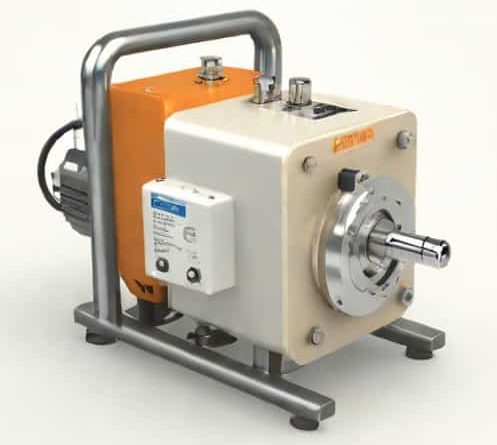
High Pressure Peristaltic Pump
A high pressure peristaltic pump is widely used in industries that require accurate, contamination-free fluid handling, and its unique design makes it suitable for demanding applications where other pump types struggle. Many professionals choose this pump because it can move viscous, abrasive, or sensitive fluids without damaging them. The tubing acts as the only wetted component, which not only protects the fluid but also reduces maintenance needs. By understanding how this pump works, its benefits, and where it is commonly applied, users can make better decisions when selecting equipment for laboratory, industrial, or processing environments.
How a High Pressure Peristaltic Pump Works
The operating principle behind a high pressure peristaltic pump is based on a rotating mechanism that compresses flexible tubing in a rhythmic motion. Rollers or shoes press against the tube, pushing fluid forward in a controlled manner. As the tubing relaxes behind the roller, a vacuum is created, allowing more fluid to enter for the next cycle. This simple but effective movement ensures smooth and consistent flow without requiring the fluid to touch any mechanical parts except the tubing.
Key Mechanical Components
- Rotor the rotating element that drives the motion
- Rollers or shoes the components that compress the tubing
- Flexible tubing the only part in contact with the liquid
- Housing encloses the mechanism for safe operation
- Drive system controls flow rate and pressure output
Because the fluid pathway is completely sealed within the tubing, a high pressure peristaltic pump maintains excellent hygiene and reduces contamination risk. This makes it especially useful for pharmaceutical dosing, food production, and chemical handling. The pump’s pressure capability comes from the strength of the tubing and the torque provided by the drive system.
Advantages of High Pressure Operation
A high pressure peristaltic pump is designed to handle applications requiring elevated discharge pressures without compromising accuracy. This capability allows it to function well in situations where pumps must push fluid through long pipelines, filtration systems, or restricted passages. Higher pressure output also helps maintain consistent flow regardless of backpressure changes, resulting in greater reliability in complex setups.
Main Benefits
- Ability to pump against high backpressure conditions
- Smooth and pulsation-controlled flow depending on the design
- Gentle pumping action ideal for shear-sensitive fluids
- Minimal contamination risk due to closed tubing system
- Easy changeover when switching fluids or cleaning
Another important advantage is the pump’s compatibility with abrasive or corrosive fluids. Since the tubing can be selected from various materials such as silicone, Viton, or reinforced polymers, users can match the material to the chemical properties of the fluid. This flexibility helps extend pump life and prevent failure caused by aggressive substances.
Common Applications
A high pressure peristaltic pump is used in many industries because of its versatility and ability to handle challenging fluids. Whether it is used to meter chemicals precisely or transfer slurry-based mixtures, the design adapts easily to different environments. Its closed, hygienic system makes it valuable in laboratories, while its robust performance under stress fits heavy-duty industrial use.
Industrial and Commercial Uses
- Chemical dosing and transfer in treatment plants
- Pharmaceutical production requiring sterile fluid handling
- Food and beverage processes involving syrups or flavorings
- Mining and slurry transfer applications
- Laboratory research where precision flow is crucial
Each of these applications benefits from the pump’s ability to maintain consistent flow regardless of viscosity changes or pressure fluctuations. Plants that rely on chemical dosing, for example, often choose a high pressure peristaltic pump because it can handle concentrated solutions without clogging or mechanical wear.
Tubing Selection and Durability
Tubing is one of the most important factors in the performance of a high pressure peristaltic pump. The tubing must be flexible enough to be compressed repeatedly, yet strong enough to withstand high pressure without rupturing. Choosing the right tubing material ensures smooth operation, long service life, and proper chemical compatibility.
Factors to Consider
- Chemical resistance to the pumped fluid
- Operating pressure and required burst strength
- Temperature range of the application
- Level of flexibility needed for roller compression
- Expected service life based on cycle frequency
Reinforced tubing is often used in high pressure conditions because it includes an internal layer designed to support greater forces. The reinforcement prevents the tube from expanding excessively during operation, which helps maintain accurate flow rates and ensures safety.
Flow Control and Accuracy
Precision is an important feature of any high pressure peristaltic pump, especially in dosing applications. The flow rate can be adjusted by changing the rotor speed, tubing size, or the number of rollers. This allows the pump to deliver steady and repeatable flow rates even under demanding conditions.
Improving Flow Performance
- Using multi-roller heads to reduce pulsation
- Adjusting motor speed for fine control
- Selecting tubing with consistent wall thickness
- Calibrating the pump regularly for critical dosing
High pressure peristaltic pumps can achieve excellent accuracy because the flow is directly linked to the mechanical motion of the rollers. Unlike pumps that rely on seals, valves, or diaphragms, this design minimizes wear-related fluctuations in output.
Maintenance and Operational Ease
One of the reasons a high pressure peristaltic pump is favored across industries is its relatively low maintenance requirement. Since the fluid never contacts the internal mechanical components, there is no need for extensive cleaning or disassembly. Tubing replacement is the main maintenance task and can usually be done quickly without tools.
Maintenance Tips
- Inspect tubing regularly for fatigue or swelling
- Replace tubing at recommended intervals
- Monitor pressure levels to avoid overloading the pump
- Keep the drive system clean and free from dust
Routine care ensures optimal performance and prevents unexpected downtime. Many operators appreciate how easily they can switch fluids or tubing types, allowing the pump to adapt to various tasks throughout the day.
Why Industries Prefer High Pressure Peristaltic Pumps
Industries choose high pressure peristaltic pumps because they combine strength, accuracy, and cleanliness in a single device. Their ability to handle demanding fluids makes them suitable for harsh environments, while the gentle pumping action protects delicate samples in laboratory settings. These pumps also provide reliable performance without complicated maintenance routines.
As processes become more advanced and require better flow control, the importance of selecting the right pump type continues to grow. The high pressure peristaltic pump has proven to be a dependable solution for many operations, offering durability and adaptability across a wide range of conditions.
A high pressure peristaltic pump is an essential tool for industries that require controlled, contamination-free fluid movement. Its design, which relies on tubing compression rather than direct fluid contact with mechanical components, provides distinct advantages in hygiene, chemical compatibility, and maintenance. By understanding how the pump works, where it excels, and how to choose the right tubing and settings, users can maximize performance and extend the life of their equipment. This combination of reliability and versatility explains why the high pressure peristaltic pump remains a preferred choice in laboratories, production facilities, and industrial operations around the world.