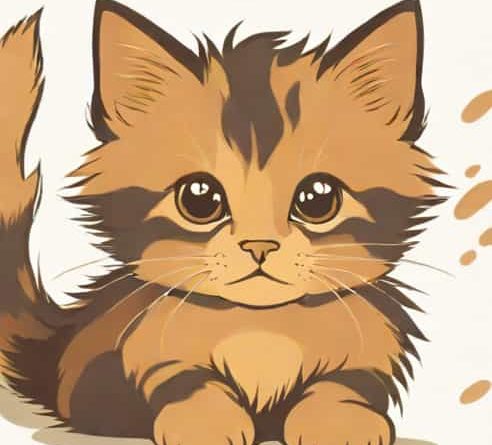
Long Hair Tortoiseshell Kitten
Long hair tortoiseshell kittens are among the most visually striking and charming cats in the feline world. Their unique coat patterns, combining shades of black, orange, cream, and sometimes gold, create a mosaic of colors that is both vibrant and captivating. These kittens are not only beautiful but also have personalities that are equally intriguing, often described as feisty, affectionate, and playful. Long hair tortoiseshell cats require special care due to their dense, flowing coats, and understanding their grooming, temperament, and health needs is essential for any cat enthusiast or prospective owner. Raising a long hair tortoiseshell kitten can be a rewarding experience, offering companionship and visual delight.
Appearance and Coat Patterns
The most defining feature of long hair tortoiseshell kittens is their coat. Unlike other cats, tortoiseshells do not have a single uniform color; instead, they display a blend of multiple colors that form a unique pattern for each individual. This pattern is often referred to as tortie, and no two tortoiseshell cats look exactly the same. Long hair breeds, such as the Maine Coon or Persian, may have tortoiseshell coats, combining luxurious fur with the colorful markings.
Distinctive Coloration
- Black and OrangeThe classic tortoiseshell pattern features a mix of deep black and vibrant orange patches.
- Cream and GoldLighter shades, including cream and gold, may appear, adding softness and depth to the coat.
- Blended MosaicThe colors often appear as a swirling mosaic rather than sharply defined patches, giving each kitten a unique appearance.
The length and density of the fur enhance the visual appeal, making long hair tortoiseshell kittens particularly eye-catching and elegant.
Temperament and Personality
Long hair tortoiseshell kittens are not only admired for their appearance but also for their distinctive personalities. Owners often describe tortoiseshell cats as energetic, independent, and affectionate. They have a reputation for being playful and curious, exploring their environment with enthusiasm. Many tortoiseshell cats also exhibit a trait known as tortitude, which reflects their spirited and sometimes sassy behavior. While they can be strong-willed, they are also deeply loyal and form strong bonds with their human companions.
Behavioral Traits
- PlayfulnessThese kittens love to engage in interactive play, chasing toys, and climbing furniture.
- CuriosityTortoiseshell kittens are naturally curious, often exploring new objects or spaces with determination.
- AffectionDespite their feisty nature, they can be very affectionate with their owners, enjoying petting and lap time.
- VocalizationSome tortoiseshell cats are more vocal than other breeds, communicating their needs or expressing excitement through meows and purrs.
Grooming and Care
Long hair tortoiseshell kittens require dedicated grooming to maintain their coats and prevent matting. Their dense fur can easily tangle if not brushed regularly, and proper care helps reduce shedding and hairballs. Grooming also offers an opportunity for bonding and allows owners to monitor their kitten’s overall health.
Essential Grooming Tips
- Daily BrushingUse a soft-bristled brush to remove loose fur and prevent tangles.
- Regular BathingOccasional baths help maintain coat cleanliness, especially if the kitten gets into messy situations.
- Nail TrimmingKeep claws short to prevent injury to themselves and furniture.
- Ear and Eye CareCheck ears for wax build-up and eyes for any discharge, cleaning gently as needed.
Diet and Nutrition
Providing a balanced diet is essential for the health of a long hair tortoiseshell kitten. High-quality kitten food rich in protein supports growth and fur development. Adequate hydration is also important, as well as supplements if recommended by a veterinarian, to maintain coat health and overall wellbeing.
Feeding Guidelines
- Feed kitten-formulated food for proper growth and energy requirements.
- Offer multiple small meals throughout the day rather than one large meal.
- Ensure fresh water is always available.
- Consult a vet for recommendations on supplements such as omega-3 fatty acids for a healthy coat.
Health Considerations
Like all kittens, long hair tortoiseshells require regular veterinary check-ups to monitor their health and prevent common feline diseases. Vaccinations, deworming, and parasite prevention are crucial in the early stages of life. Because of their dense fur, these kittens can be prone to hairballs, so proper grooming and diet are important to reduce related digestive issues.
Common Health Concerns
- Hairballs due to long fur
- Obesity if overfed or under-exercised
- Dental issues, necessitating regular dental care
- Potential genetic conditions depending on breed mix
Socialization and Environment
Socialization plays a key role in shaping a tortoiseshell kitten’s personality. Early exposure to people, other animals, and various environments helps them develop confidence and reduces stress. Providing toys, scratching posts, and safe climbing areas encourages physical activity and mental stimulation. A stable and nurturing environment helps kittens grow into well-adjusted adult cats.
Tips for Socialization
- Introduce the kitten to different people and gentle pets gradually.
- Provide positive reinforcement through treats and affection.
- Encourage playtime to satisfy their natural curiosity and energy.
- Maintain a consistent daily routine for feeding, play, and rest.
Choosing a Long Hair Tortoiseshell Kitten
If you are considering adopting a long hair tortoiseshell kitten, it’s important to research reputable breeders or adoption centers. Ensure that kittens are healthy, vaccinated, and have received early socialization. Understanding the responsibilities of grooming, nutrition, and health care is essential before bringing a tortoiseshell kitten into your home.
Adoption Tips
- Ask about the kitten’s medical history and vaccination record.
- Observe the kitten’s temperament and behavior to ensure a good fit for your household.
- Prepare your home with appropriate supplies such as litter boxes, toys, and scratching posts.
- Consult a veterinarian for guidance on initial care and feeding plans.
Long hair tortoiseshell kittens are enchanting companions, offering a combination of beauty, personality, and affectionate interaction. Their unique coat patterns, playful yet loyal nature, and the care requirements make them both a delight and a responsibility for owners. By providing proper grooming, nutrition, socialization, and veterinary care, you can ensure that your tortoiseshell kitten grows into a healthy and happy adult cat. Whether you are a first-time cat owner or an experienced feline enthusiast, adopting a long hair tortoiseshell kitten is an opportunity to enjoy a loving, spirited, and visually stunning companion for years to come.