How To Make Hardtack Civil War
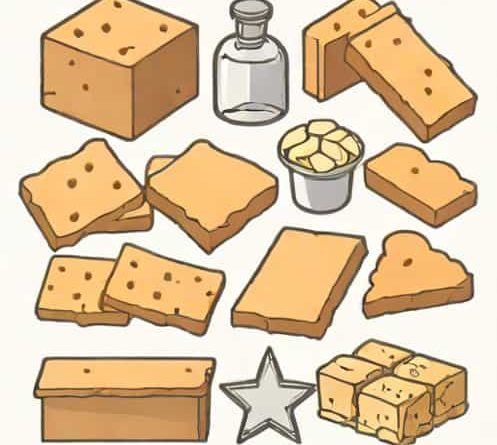
Hardtack is a simple, long-lasting type of cracker that was a staple food for soldiers during the Civil War. Known for its durability and ability to last for months without spoiling, hardtack provided essential sustenance in times when fresh food was scarce. Making hardtack at home offers a fascinating glimpse into historical cooking practices and allows you to experience a piece of history firsthand. Despite its simple ingredients, creating authentic Civil War-style hardtack requires attention to detail in mixing, rolling, cutting, and baking to achieve the traditional hard, dry texture that defines this historical food.
Ingredients Needed
Hardtack is notable for its simplicity, using only a few basic ingredients. Gathering quality ingredients is essential for achieving the right texture and flavor.
Basic Ingredients
- All-purpose flour The main structure of the hardtack. It should be unbleached for a more authentic taste.
- Water Used to bind the flour into a dough.
- Salt Adds flavor and helps preserve the hardtack.
Optional Ingredients
- Shortening or lard Some historical recipes used a small amount to slightly soften the texture, though traditional hardtack was made without fat.
- Honey or sugar Occasionally added for a slight sweetness, but typically avoided for authenticity.
Preparing the Dough
The preparation of the dough is a critical step in making hardtack. Proper mixing and kneading ensure the crackers will hold together during baking and storage.
Step-by-Step Dough Preparation
- In a large mixing bowl, combine 2 cups of all-purpose flour with 1 teaspoon of salt.
- Add water gradually, starting with about 1/2 cup, mixing continuously until the dough comes together.
- Knead the dough for 5-10 minutes until it is smooth and slightly firm. The dough should not be sticky; it should be stiff enough to hold its shape when rolled out.
- If the dough is too dry, add water a teaspoon at a time. If it is too wet, sprinkle in a little more flour.
Rolling and Cutting the Hardtack
After the dough is prepared, it is rolled out and cut into uniform pieces. This process ensures even baking and makes the hardtack easy to store and transport.
Rolling the Dough
On a lightly floured surface, roll the dough to about 1/4 inch thickness. For historical authenticity, traditional hardtack was rolled slightly thinner or thicker depending on the intended shelf life and texture preference.
Cutting the Hardtack
- Use a knife or a pastry cutter to cut the dough into rectangles or squares, typically 2 to 3 inches wide.
- Poke several holes evenly across each piece with a fork or skewer. This allows steam to escape during baking and prevents the hardtack from puffing up or cracking irregularly.
- Arrange the cut pieces on a baking sheet lined with parchment paper.
Baking the Hardtack
Proper baking is essential to achieve the hard, dry texture that characterizes Civil War hardtack. The baking process removes moisture and ensures the crackers are shelf-stable.
Baking Instructions
- Preheat your oven to 375°F (190°C).
- Bake the hardtack for 30 minutes, then flip each piece to ensure even drying on both sides.
- Bake for an additional 30 minutes, or until the hardtack is completely dry and hard to the touch. The total baking time may vary depending on thickness and oven efficiency.
- For extra durability, you can bake at a lower temperature, around 250°F (120°C), for a longer period to remove additional moisture without browning excessively.
Cooling and Storing
After baking, proper cooling and storage are essential to maintain the long shelf life that hardtack is known for.
Cooling
Remove the hardtack from the oven and allow it to cool completely on a wire rack. This prevents condensation from forming, which could make the crackers soft or moldy.
Storing
- Store hardtack in an airtight container or a sealed tin to prevent moisture absorption.
- Keep in a cool, dry place away from direct sunlight. Properly stored, hardtack can last for months or even years.
- If any pieces develop mold or damp spots, discard them to avoid contamination of the rest.
Using and Eating Hardtack
Hardtack is extremely hard when baked, so it is typically softened before eating. Soldiers in the Civil War often soaked hardtack in water, coffee, or soup to make it edible.
Soaking Methods
- Place a piece of hardtack in warm water for a few minutes until it softens enough to bite.
- For added flavor, soak in broth, milk, or coffee.
- Break hardtack into smaller pieces before soaking to speed up the softening process.
Modern Uses
Today, hardtack can be used as a historical novelty, survival food, or snack. Some people enjoy it as a base for toppings such as peanut butter, cheese, or jam once softened. It’s also popular for reenactments or educational demonstrations about Civil War life.
Tips for Success
Making authentic Civil War hardtack requires patience and attention to detail. These tips can help you achieve the best results
- Ensure the dough is firm but not too dry to prevent cracking before baking.
- Poke holes evenly to allow proper steam release during baking.
- Monitor the baking process carefully; uneven baking can result in soft spots or burnt edges.
- Store in a dry, airtight container to maximize shelf life.
- Experiment with slightly thicker or thinner pieces to adjust hardness and ease of soaking.
Making hardtack Civil War-style is a fascinating way to experience a piece of culinary history. With only a few basic ingredients, careful preparation, and proper baking techniques, you can create a durable, long-lasting cracker that is both authentic and educational. Hardtack’s simplicity and resilience made it a crucial food for soldiers, and recreating it at home provides insight into historical diets and survival strategies. Whether used for reenactments, survival kits, or historical curiosity, homemade hardtack allows you to connect with the past while exploring traditional cooking methods. By following the steps for mixing, rolling, cutting, baking, and storing, you can produce hardtack that is authentic, shelf-stable, and ready for consumption or display.