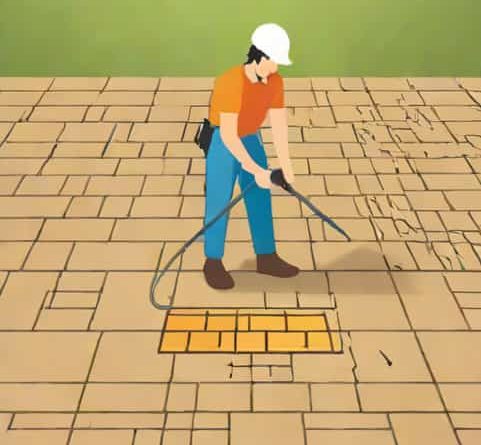
Paver Cleaning And Reseal Cost
When homeowners or property managers invest in outdoor living spaces, pavers often become a popular choice thanks to their durability, beauty, and versatility. However, maintaining these surfaces requires more than just occasional sweeping. Over time, dirt, moss, stains, and weather damage can dull the appearance of pavers, making professional cleaning and resealing an essential service. Understanding the paver cleaning and reseal cost can help you plan for upkeep, preserve property value, and ensure your outdoor space remains both functional and attractive for years to come.
Why Cleaning and Resealing Pavers Is Necessary
Pavers are exposed to harsh outdoor conditions such as rain, sun, oil spills, and foot traffic. Without maintenance, they can lose their original color and strength. Cleaning removes grime, weeds, and stains, while sealing protects the surface from water penetration, erosion, and fading. Resealing also enhances the vibrancy of pavers, giving them a like new appearance.
Regular maintenance not only preserves beauty but also extends the lifespan of your hardscaping investment. Neglecting cleaning and sealing can lead to costly repairs or even replacement, which is far more expensive than routine upkeep.
Average Paver Cleaning and Reseal Cost
The cost of cleaning and resealing pavers can vary depending on multiple factors, including project size, paver condition, location, and the type of sealant used. On average, homeowners can expect to pay between $1.50 and $3.50 per square foot for professional services. For a 500-square-foot patio, that equates to $750 to $1,750.
Smaller projects may have a higher per-square-foot price because service providers account for setup costs, labor, and materials regardless of size. Larger spaces often benefit from economies of scale, slightly lowering the price per square foot.
Factors That Influence the Cost
1. Size of the Area
The most obvious factor in determining paver cleaning and reseal cost is square footage. The bigger the patio, driveway, or walkway, the more labor and materials are required. Large driveways may cost significantly more than compact patios or garden paths.
2. Condition of the Pavers
If pavers are heavily stained with oil, covered in moss, or filled with weeds, additional cleaning steps such as pressure washing, chemical treatments, or sand replacement will be needed. This increases labor time and overall cost.
3. Type of Sealant Used
Sealants come in various qualities and finishes, including matte, satin, and glossy. Premium sealants that last longer and provide advanced protection against UV rays, stains, and moisture often cost more upfront but save money in the long term by reducing resealing frequency.
4. Labor Costs in Your Area
Prices vary by region depending on the local cost of labor and competition among service providers. In urban areas with high demand, prices may be higher compared to rural locations.
5. Additional Services
Sometimes, the cost includes extras such as polymeric sand application between joints, paver repair, or leveling. These add-ons improve overall durability but increase the total bill.
Breakdown of Cost by Service
- Pressure WashingTypically $0.50 to $1.00 per square foot. Removes dirt, mold, and stains before sealing.
- SealingUsually $1.00 to $2.50 per square foot, depending on the type of sealer.
- Joint Sand ReplacementAround $1.00 to $2.00 per square foot if polymeric sand is added between pavers for stability.
- RepairsReseating or replacing broken pavers may cost extra, often charged hourly.
How Often Should You Clean and Reseal Pavers?
Most experts recommend cleaning and resealing pavers every 3 to 5 years, depending on climate and usage. In areas with heavy rainfall, frequent freeze-thaw cycles, or strong sunlight, resealing may be required more often. Neglecting resealing for too long can lead to paver discoloration, erosion of joint sand, and surface deterioration.
DIY vs Professional Services
DIY Cleaning and Sealing
For homeowners looking to save money, doing the work themselves is an option. Renting a pressure washer costs about $50 to $100 per day, while sealant costs $30 to $50 per gallon, covering roughly 100 square feet. DIY projects can reduce costs but require time, effort, and knowledge of proper techniques to avoid damaging pavers.
Professional Cleaning and Sealing
Hiring professionals ensures thorough cleaning and even application of sealant. Professionals also use commercial-grade sealers that often last longer than consumer-grade alternatives. Although professional paver cleaning and reseal cost is higher, the results are usually more durable and aesthetically pleasing.
Tips to Reduce Paver Cleaning and Reseal Cost
- Schedule maintenance during off-peak seasons when service providers may offer discounts.
- Maintain pavers regularly by sweeping and rinsing to prevent buildup of dirt and stains.
- Combine services with neighbors to negotiate bulk pricing with contractors.
- Choose a high-quality sealant that lasts longer, reducing the frequency of resealing.
Benefits of Investing in Resealing
While cost is an important consideration, resealing pavers provides long-term benefits that justify the expense. These include
- Enhanced appearance with restored color and shine.
- Increased resistance to stains, oil, and moisture.
- Protection against UV damage and fading.
- Stabilized joints, reducing weed growth and pest intrusion.
- Extended lifespan of your outdoor hardscape investment.
Paver cleaning and reseal cost depends on many variables, including area size, condition, sealant choice, and regional labor rates. While the price may range from a few hundred to several thousand dollars, the benefits of maintaining your pavers far outweigh the expense. Clean and sealed pavers not only improve curb appeal but also protect your investment against weathering, stains, and structural damage. By budgeting for this service every few years, homeowners can ensure their outdoor spaces remain beautiful, safe, and long-lasting.