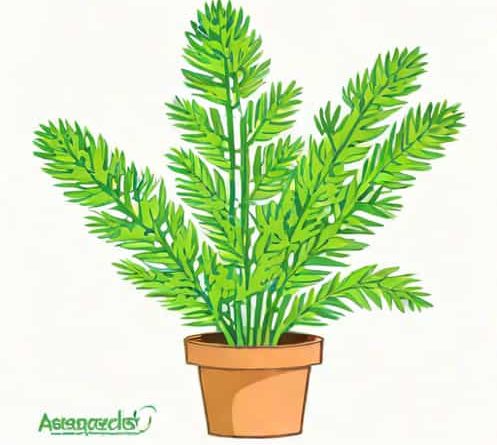
How To Care For Asparagus Fern
Asparagus fern is a popular houseplant and garden favorite due to its delicate, feathery foliage and easy-going nature. Despite its name, it is not a true fern, but a member of the lily family. Its graceful appearance makes it a versatile addition to indoor spaces, hanging baskets, or garden landscapes. Caring for an asparagus fern may seem straightforward, but understanding its specific needs ensures it thrives and maintains its lush, green beauty. From watering and light requirements to soil and pruning, proper care techniques are key to keeping this plant healthy and vibrant throughout the year.
Choosing the Right Location
Asparagus ferns thrive in bright, indirect light. Placing them near a window with filtered sunlight helps them grow dense and healthy foliage. Direct sunlight can scorch the delicate leaves, while too little light can cause the plant to become leggy and sparse. Indoor growers should rotate the plant occasionally to ensure even growth, as asparagus ferns tend to lean toward the light source. For outdoor cultivation, a shaded or partially shaded spot is ideal, especially in warmer climates where intense sunlight can damage the fronds.
Understanding Light Requirements
- Bright, indirect light is optimal for healthy growth.
- Avoid placing the plant in direct, harsh sunlight for extended periods.
- In low-light conditions, consider supplemental lighting with fluorescent or LED grow lights.
- Rotate the plant regularly to encourage even, balanced growth.
Watering Your Asparagus Fern
Watering is one of the most important aspects of caring for an asparagus fern. The plant prefers consistently moist soil but does not tolerate waterlogged conditions. Overwatering can lead to root rot, while letting the soil dry out too much can cause the delicate fronds to turn brown and drop. The ideal watering routine involves checking the top inch of soil if it feels dry, it’s time to water. During the growing season, typically spring and summer, asparagus ferns require more frequent watering, while in the dormant period of fall and winter, water less often.
Watering Tips
- Water when the top 1 inch of soil is dry.
- Ensure pots have drainage holes to prevent standing water.
- Use room-temperature water to avoid shocking the roots.
- Misting the foliage occasionally can help maintain humidity, especially indoors.
Soil and Potting Requirements
Asparagus ferns thrive in well-draining soil rich in organic matter. A combination of standard potting soil mixed with peat moss or perlite works well to provide the right balance of moisture retention and drainage. When repotting, choose a container slightly larger than the current one to allow room for root growth. Repotting every 2-3 years is generally sufficient, and doing so in the spring encourages healthy new growth. Make sure to gently loosen the roots during repotting to prevent them from becoming root-bound.
Soil and Repotting Tips
- Use a well-draining potting mix with added perlite or peat moss.
- Choose a pot with drainage holes to prevent root rot.
- Repot every 2-3 years or when roots outgrow the container.
- Spring is the best time for repotting, as the plant is entering its growing season.
Fertilizing Your Asparagus Fern
Fertilization supports the lush growth and vibrant green color of asparagus ferns. During the active growing season, use a balanced liquid fertilizer every 4-6 weeks. Diluting the fertilizer to half the recommended strength prevents over-fertilization, which can damage the plant. In fall and winter, reduce or stop fertilization since the plant’s growth naturally slows. Organic options like compost tea or diluted fish emulsion can also be beneficial and promote overall plant health.
Fertilization Tips
- Feed with a balanced liquid fertilizer every 4-6 weeks during spring and summer.
- Reduce feeding in fall and winter when growth slows.
- Dilute fertilizer to half strength to avoid burning the roots.
- Organic alternatives like compost tea can improve soil quality and support growth.
Pruning and Maintaining Appearance
Pruning is essential to keep asparagus ferns looking full and healthy. Trim off yellowing, brown, or damaged fronds regularly to encourage new growth. The plant can become leggy over time, so cutting back long stems can help maintain a compact, attractive shape. Pruning also improves airflow, reducing the risk of fungal diseases. Always use clean, sharp scissors or pruning shears to avoid damaging the plant.
Pruning Tips
- Remove dead or yellowing fronds to promote healthy growth.
- Trim back long or leggy stems to maintain a fuller appearance.
- Prune lightly rather than drastically to prevent stress on the plant.
- Ensure tools are clean to reduce the risk of disease transmission.
Pest Control and Common Problems
Asparagus ferns are generally hardy but can be susceptible to pests such as spider mites, mealybugs, and aphids. Regularly inspect the foliage, especially during dry indoor conditions, to detect infestations early. Wiping leaves with a damp cloth, using insecticidal soap, or introducing beneficial insects can help manage pests naturally. Common problems also include root rot from overwatering and brown tips caused by low humidity or inconsistent watering. Addressing issues promptly ensures the plant remains healthy and thriving.
Pest and Problem Management Tips
- Inspect foliage regularly for signs of pests like spider mites or aphids.
- Use insecticidal soap or neem oil for infestations.
- Avoid overwatering to prevent root rot.
- Maintain humidity to reduce browning tips, especially indoors.
Humidity and Temperature Requirements
Asparagus ferns thrive in moderate humidity and temperatures. Ideal conditions are between 60-75°F (15-24°C) with consistent moisture in the air. If growing indoors in dry climates, use a humidifier or place the plant on a tray with water and pebbles to increase humidity. Sudden temperature changes or cold drafts can cause stress and leaf drop, so maintaining stable indoor conditions is crucial for optimal growth.
Temperature and Humidity Tips
- Keep temperatures between 60-75°F (15-24°C).
- Increase humidity with a humidifier or pebble tray if needed.
- Avoid cold drafts and sudden temperature changes.
- Misting can provide temporary humidity boosts but should not replace proper watering.
Caring for an asparagus fern involves understanding its specific needs for light, water, soil, and temperature. Regular maintenance, including pruning, fertilizing, and monitoring for pests, helps keep the plant vibrant and healthy. By providing the right environment and attention, asparagus ferns can thrive indoors or outdoors, adding lush greenery and elegance to your home or garden. With consistent care and observation, this hardy and graceful plant will continue to enhance your space for years to come.