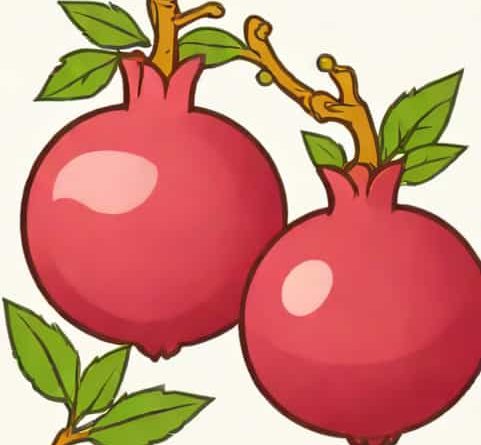
Scientific Name Of Pomegranate
Pomegranate is a fruit celebrated worldwide for its vibrant red seeds, tart-sweet flavor, and impressive health benefits. Known for centuries as a symbol of fertility, abundance, and prosperity, the pomegranate has captivated cultures across the Middle East, Mediterranean, and South Asia. While commonly referred to by its everyday name, understanding the scientific name of pomegranate provides deeper insight into its classification, botanical characteristics, and global significance. The scientific name not only identifies the plant precisely in the realm of science but also highlights its family, genus, and species, which are essential for horticultural studies, agricultural research, and medicinal applications. In this topic, we will explore the scientific name of pomegranate, its botanical features, cultivation methods, nutritional value, and cultural importance.
Scientific Classification of Pomegranate
The scientific name of the pomegranate isPunica granatum. This name is universally recognized and used by botanists and horticulturists to accurately identify the plant. The genusPunicais part of the familyLythraceae, which includes flowering plants commonly known for their ornamental and medicinal value. Historically, the pomegranate was once classified under the family Punicaceae, but modern taxonomy now places it within Lythraceae due to genetic and morphological evidence.
Taxonomic Hierarchy
Understanding the taxonomic hierarchy of pomegranate is crucial for scientific identification and study. The classification is as follows
- Kingdom Plantae
- Clade Angiosperms
- Clade Eudicots
- Order Myrtales
- Family Lythraceae
- Genus Punica
- Species P. granatum
This classification ensures consistency in scientific communication and aids in research related to botany, agriculture, and pharmacology.
Botanical Characteristics of Punica granatum
Punica granatum is a deciduous shrub or small tree that can grow up to 5 to 10 meters in height. It has a multi-branched structure with reddish-brown bark and glossy, narrow leaves that enhance its ornamental appeal. The plant produces attractive orange-red flowers, which develop into the well-known round fruit called pomegranate. The seeds, or arils, are enclosed in a juicy, red pulp and are the primary edible component. The plant is adaptable to a variety of climates, thriving particularly well in Mediterranean and subtropical regions.
Flowering and Fruit Development
Pomegranate flowers are typically bright red or orange and appear in clusters or singly. The flowering stage is followed by fruit development, with the fruit maturing over several months. Each fruit contains numerous seeds surrounded by arils, which are rich in antioxidants, vitamins, and minerals. The combination of ornamental flowers and nutrient-rich fruit makes Punica granatum a highly valued plant for both aesthetic and practical purposes.
Varieties and Cultivars
Punica granatum has several cultivars developed for fruit quality, seed color, sweetness, and climate adaptability. Some popular varieties include
- WonderfulKnown for its large, deep red fruits and high juice content, commonly grown in the United States.
- Angel RedFeatures sweet, juicy arils and a vibrant red color, ideal for fresh consumption.
- GranadaCultivated for early harvesting and bright red skin, suitable for commercial production.
- ParfiankaRecognized for its soft seeds and sweet flavor, preferred for juice extraction.
Cultivation and Growing Conditions
Pomegranate cultivation requires well-drained soil and abundant sunlight. The plant is drought-tolerant and can survive in arid conditions, but optimal fruit production occurs with regular irrigation. Pomegranates are propagated via seeds, cuttings, or grafting, with grafting preferred for maintaining cultivar characteristics. Proper pruning is necessary to shape the plant and improve air circulation, which reduces disease risk and promotes fruit quality.
Soil and Climate Requirements
Punica granatum prefers loamy or sandy soil with a slightly acidic to neutral pH. It tolerates drought conditions but thrives with consistent watering during flowering and fruiting periods. Temperatures between 20°C and 30°C are ideal, although the plant can tolerate short periods of frost. These conditions contribute to vibrant fruit coloration, optimal sugar content, and enhanced overall quality.
Nutritional and Health Benefits
Pomegranate arils are rich in antioxidants, particularly punicalagins and anthocyanins, which help reduce inflammation and oxidative stress in the body. The fruit provides essential vitamins such as vitamin C, vitamin K, and folate, as well as minerals like potassium. Regular consumption of pomegranate juice or seeds has been linked to improved heart health, better digestion, and enhanced immune function. The scientific study of Punica granatum has highlighted its potential therapeutic applications in modern medicine.
Traditional and Medicinal Uses
Throughout history, pomegranate has been utilized in traditional medicine to treat a variety of ailments, from digestive issues to skin conditions. Extracts from the peel, seeds, and juice are used in herbal remedies, dietary supplements, and skincare products. The scientific investigation into Punica granatum continues to uncover compounds that may offer anti-inflammatory, antimicrobial, and anticancer properties, further solidifying its value beyond nutritional purposes.
Cultural and Symbolic Significance
Pomegranate has held symbolic importance in many cultures and religions. In Greek mythology, it is associated with fertility and life cycles. In Jewish traditions, pomegranate represents righteousness and abundance, often used in religious ceremonies. In Persian culture, it symbolizes love and prosperity, commonly featured in art and literature. These cultural associations have contributed to the enduring popularity of Punica granatum across the world.
Ornamental Value
Aside from its edible fruits, Punica granatum is valued for its ornamental properties. The bright flowers and attractive foliage make it a popular choice for gardens, courtyards, and urban landscapes. It can be shaped into a small tree, espaliered against walls, or grown in large containers, enhancing its versatility in landscape design.
The scientific name of pomegranate,Punica granatum, serves as a key identifier that enables botanists, horticulturists, and plant enthusiasts to accurately study, cultivate, and appreciate this remarkable plant. From its botanical characteristics and diverse cultivars to its nutritional benefits and cultural significance, Punica granatum continues to be a treasured species around the world. Understanding its scientific classification helps ensure precise identification, effective cultivation, and informed use in both culinary and medicinal applications. By appreciating the value of Punica granatum, we can enjoy its aesthetic appeal, health benefits, and symbolic richness for generations to come.