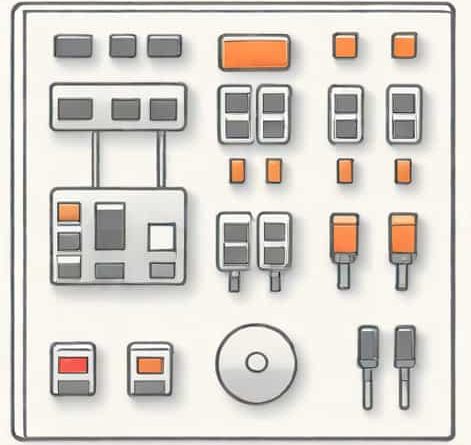
X5 Fuse Box Diagram
The X5 fuse box diagram is an essential reference for BMW X5 owners and automotive enthusiasts who want to understand the electrical layout of their vehicle. A properly organized fuse box ensures the safety and functionality of the car’s electrical system, protecting critical components such as lights, engine controls, infotainment systems, and safety devices. Understanding the layout, function, and maintenance of the X5 fuse box allows drivers to troubleshoot electrical issues, replace blown fuses, and maintain the overall performance of their vehicle efficiently.
Overview of the X5 Fuse Box
The BMW X5, known for its advanced technology and luxury features, has a complex electrical system that relies on several fuse boxes to protect circuits from overcurrent damage. Typically, there are multiple fuse boxes located in different areas of the vehicle, each serving specific systems. The main fuse box often resides in the engine compartment, while a secondary fuse box can be found inside the cabin, usually under the dashboard or near the glove compartment. Some models also have additional fuse panels in the trunk to manage rear electrical components.
Main Components of the Fuse Box
The X5 fuse box contains various components, each playing a role in protecting and controlling electrical circuits. Key components include
- FusesSmall devices that break the circuit if the current exceeds a safe level, preventing damage to wires and electrical devices.
- RelaysElectrically operated switches that control high-current circuits using a low-current signal.
- Terminal blocksPoints where multiple wires connect, helping organize the vehicle’s wiring system.
- Labels and diagramsEach fuse and relay is usually labeled, often accompanied by a diagram inside the fuse box cover to indicate the corresponding circuit.
Understanding the X5 Fuse Box Diagram
A fuse box diagram is a visual representation showing the location, amperage rating, and function of each fuse and relay. For the X5, the diagram is crucial for identifying which fuse controls specific systems, such as headlights, power windows, HVAC system, or the fuel pump. Knowing the correct fuse ensures that replacements are made safely and accurately without causing electrical damage or voiding warranties.
Common Fuse Layouts in the X5
While layouts may vary depending on the model year and trim, most X5 fuse boxes are organized systematically to facilitate easy identification. Some common categories include
- Engine Compartment Fuse BoxContains fuses for major engine systems, including ignition, fuel injection, cooling fan, and alternator circuits.
- Interior Fuse BoxControls cabin electronics like infotainment, dashboard lights, interior lighting, climate control, and central locking systems.
- Trunk Fuse BoxManages rear systems such as tail lights, power seats, rear entertainment systems, and sometimes trailer connections.
How to Use the Fuse Box Diagram
Using the X5 fuse box diagram is essential for maintaining vehicle safety and functionality. When a system malfunctions, such as a non-working headlight or power window, the fuse box diagram helps locate the specific fuse for inspection. The process usually involves identifying the fuse by its label, checking it visually or with a multimeter, and replacing it if necessary.
Steps for Fuse Inspection
Proper fuse inspection involves several key steps
- Turn off the vehicle and remove the key from the ignition to ensure safety.
- Locate the fuse box, either in the engine compartment, cabin, or trunk.
- Refer to the fuse box diagram to identify the specific fuse related to the malfunctioning system.
- Remove the fuse carefully using a fuse puller or needle-nose pliers.
- Check the fuse for a broken filament or burnt appearance.
- Replace the fuse with one of the same amperage rating, as indicated on the diagram.
Common Issues and Troubleshooting
Even though fuses are designed to prevent major electrical problems, they can occasionally fail. Common issues include blown fuses caused by electrical surges, faulty wiring, or malfunctioning components. The X5 fuse box diagram helps quickly identify which fuse needs attention, reducing downtime and preventing further damage.
Signs of Fuse Problems
Some common signs indicating fuse issues include
- Electrical components not functioning, such as lights, windshield wipers, or infotainment systems.
- Intermittent operation of certain devices that work sporadically.
- Visible damage to the fuse, such as a melted or broken filament.
Maintenance Tips for the X5 Fuse Box
Proper maintenance of the X5 fuse box helps extend the life of the vehicle’s electrical system. Here are some tips for keeping the fuse box in good condition
- Keep the fuse box cover closed to protect against dust, moisture, and debris.
- Regularly inspect fuses and relays, especially if an electrical system behaves abnormally.
- Use fuses with the correct amperage rating to avoid electrical damage or fire hazards.
- Ensure connectors and wiring inside the fuse box are secure and free from corrosion.
- Consult the fuse box diagram whenever performing repairs or replacements to avoid confusion.
Upgrading and Modifying Electrical Systems
Some BMW X5 owners choose to upgrade or modify their vehicle’s electrical systems, such as installing aftermarket lights, audio systems, or additional electronic accessories. In such cases, the X5 fuse box diagram becomes even more critical, allowing the owner or technician to add new circuits safely without overloading existing fuses.
Adding Circuits Safely
When installing additional electrical components, it is important to
- Identify an appropriate fuse slot using the diagram that can handle extra load.
- Use properly rated fuses and relays to prevent overcurrent damage.
- Ensure wiring is routed safely and secured to prevent shorts or wear over time.
- Test new installations carefully to ensure all systems operate correctly without affecting existing circuits.
The X5 fuse box diagram is a fundamental tool for BMW X5 owners, mechanics, and automotive enthusiasts. It provides clear guidance for identifying, inspecting, and replacing fuses while supporting safe operation of the vehicle’s complex electrical systems. By understanding the fuse box layout, components, and proper maintenance practices, drivers can troubleshoot electrical problems efficiently, prevent system failures, and enhance the overall reliability of their vehicle.
Whether addressing a blown fuse, installing aftermarket electronics, or simply performing routine maintenance, referring to the X5 fuse box diagram ensures accurate and safe actions. Its role in protecting critical systems, from engine controls to cabin electronics, highlights the importance of familiarizing oneself with this essential reference tool. With careful attention and correct usage, the X5 fuse box diagram becomes an invaluable resource for ensuring the longevity and performance of your BMW X5.