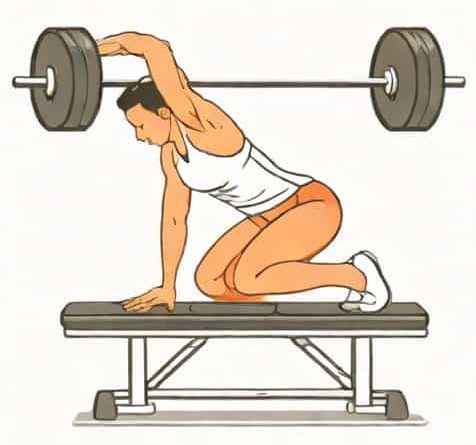
Upper Erector Spinae Exercises
Strengthening the upper erector spinae is crucial for maintaining proper posture, reducing back pain, and enhancing overall upper body stability. The erector spinae muscles run along the spine and play a key role in extending and stabilizing the vertebral column. Weakness in these muscles can lead to poor posture, discomfort, and increased risk of injury, especially during lifting or prolonged sitting. Incorporating upper erector spinae exercises into a fitness routine can improve spinal support, enhance athletic performance, and promote long-term spinal health.
Understanding the Upper Erector Spinae
The erector spinae is a group of muscles that runs vertically along each side of the spine, from the lower back up to the neck. The upper portion of the erector spinae primarily includes the thoracic and cervical segments. These muscles are responsible for extending the spine, assisting with lateral flexion, and stabilizing the torso during movements. Strengthening the upper erector spinae helps maintain an upright posture, prevents slumping of the shoulders, and supports the upper back during physical activities like lifting, twisting, and bending.
Benefits of Upper Erector Spinae Exercises
Focusing on the upper erector spinae offers multiple benefits
- Improved posture and spinal alignment
- Reduced risk of upper back and neck pain
- Enhanced stability during physical activity and sports
- Better performance in weightlifting and core exercises
- Increased muscular endurance and strength in the upper back
Warm-Up and Preparation
Before performing upper erector spinae exercises, it is essential to warm up the muscles to reduce the risk of strain or injury. Simple dynamic stretches, light cardio, or mobility drills can prepare the spine and surrounding muscles. Examples of effective warm-ups include arm circles, torso twists, cat-cow stretches, and gentle back extensions. Proper warm-up ensures that the muscles are ready for the targeted strengthening exercises and improves overall workout efficiency.
Key Principles for Safety
When performing upper erector spinae exercises, maintaining proper form is critical. Keep the spine neutral, avoid excessive arching, and engage the core to protect the lower back. Start with light resistance or bodyweight exercises before progressing to heavier loads. Controlled movements, proper breathing, and consistent technique prevent strain and ensure maximum activation of the upper erector spinae muscles.
Top Upper Erector Spinae Exercises
There are several effective exercises to target the upper erector spinae. These can be incorporated into a strength training routine, physical therapy program, or general fitness plan.
1. Prone Back Extension
This exercise strengthens the thoracic and cervical segments of the erector spinae without the need for equipment
- Lie face down on a mat with arms extended in front or alongside the body.
- Engage the core and lift the chest, head, and shoulders off the floor while keeping the neck neutral.
- Hold for 2-3 seconds and slowly lower back down.
- Repeat for 10-15 repetitions, performing 2-3 sets.
2. Superman Exercise
The superman exercise enhances spinal extension and overall upper back strength
- Lie face down on the floor with arms extended overhead and legs straight.
- Simultaneously lift the arms, chest, and legs off the ground, keeping the spine neutral.
- Hold the position for 2-5 seconds before lowering slowly.
- Perform 10-12 repetitions for 2-3 sets.
3. Bird-Dog Variation
This exercise improves spinal stability and engages the upper erector spinae along with the core
- Start on hands and knees with a neutral spine.
- Extend the right arm forward and the left leg backward, keeping hips and shoulders square.
- Hold for 3-5 seconds and return to the starting position.
- Alternate sides for 10-12 repetitions each, performing 2-3 sets.
4. Seated Rows
Using resistance bands or a cable machine, seated rows target the upper back and erector spinae
- Sit upright with feet planted and a resistance band or handle in hand.
- Pull the band or cable toward the torso, squeezing the shoulder blades together.
- Slowly return to the starting position, maintaining control.
- Perform 12-15 repetitions for 2-3 sets.
5. Reverse Fly
Reverse fly exercises isolate the upper back muscles and support posture
- Stand or sit with a slight forward lean, holding dumbbells in each hand.
- Keeping a slight bend in the elbows, lift the arms out to the sides until shoulder height.
- Lower slowly and maintain engagement in the upper erector spinae.
- Complete 12-15 repetitions for 2-3 sets.
Incorporating Upper Erector Spinae Exercises into Your Routine
Consistency is key to strengthening the upper erector spinae. Aim to perform these exercises 2-3 times per week, gradually increasing resistance or repetitions as strength improves. Combining upper erector spinae exercises with overall back, core, and shoulder training enhances muscular balance and prevents compensatory movements that can lead to injury. It is also beneficial to include flexibility and mobility exercises to maintain optimal spinal function.
Additional Tips for Effectiveness
- Focus on slow, controlled movements to maximize muscle activation.
- Prioritize proper form over heavier weights to avoid strain.
- Engage the core throughout exercises to stabilize the spine.
- Incorporate stretching and foam rolling to support recovery.
- Track progress over time, gradually increasing intensity for sustained gains.
Benefits Beyond Strength
Strengthening the upper erector spinae not only improves posture and reduces pain but also contributes to better athletic performance, functional fitness, and injury prevention. A strong upper back supports overhead lifting, rowing, and rotational movements while reducing the risk of tension in the neck and shoulders. Additionally, improving the endurance of these muscles helps counteract the negative effects of prolonged sitting or desk work, promoting long-term spinal health.
Common Mistakes to Avoid
When training the upper erector spinae, certain mistakes can hinder progress or cause injury
- Arching the lower back excessively during extensions.
- Using momentum instead of controlled muscle engagement.
- Neglecting proper warm-up before training.
- Overtraining without adequate recovery.
- Ignoring complementary exercises for the core and lower back.
Upper erector spinae exercises are essential for maintaining spinal health, improving posture, and enhancing upper back strength. By incorporating targeted movements such as prone back extensions, superman exercises, bird-dogs, seated rows, and reverse flies, individuals can develop stronger, more resilient back muscles. Consistency, proper form, and gradual progression ensure safe and effective results. Whether for general fitness, athletic performance, or injury prevention, strengthening the upper erector spinae provides long-lasting benefits that support overall musculoskeletal health and functional movement.