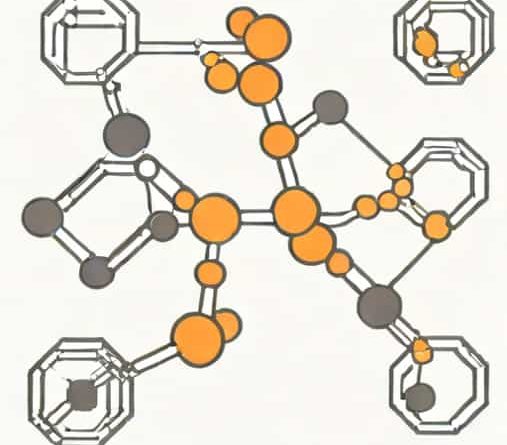
Adenine Thymine Uracil Guanine
In the study of genetics and molecular biology, understanding the fundamental building blocks of nucleic acids is essential. Adenine, thymine, uracil, and guanine are four of the key nucleobases that make up DNA and RNA, playing crucial roles in the storage and transmission of genetic information. These molecules form specific pairs and sequences that encode instructions for cellular processes, protein synthesis, and heredity. Grasping the functions and relationships between these nucleobases provides a foundation for exploring more complex topics such as gene expression, mutations, and biotechnology.
The Structure of Nucleobases
Nucleobases are organic molecules that serve as the informational units in nucleic acids. Adenine (A) and guanine (G) are classified as purines, which are characterized by a double-ring structure consisting of a six-membered and a five-membered nitrogen-containing ring. Thymine (T) and uracil (U), along with cytosine (C), are pyrimidines, which have a single six-membered ring. The chemical differences between these bases are critical for their pairing properties and the stability of nucleic acid structures.
Adenine
Adenine is a purine nucleobase found in both DNA and RNA. In DNA, adenine pairs with thymine through two hydrogen bonds, forming a stable base pair that contributes to the double-helix structure. In RNA, adenine pairs with uracil instead of thymine, allowing RNA molecules to carry genetic information during transcription. Adenine also plays an important role in energy transfer as part of adenosine triphosphate (ATP), which is essential for cellular metabolism.
Thymine
Thymine is a pyrimidine nucleobase found exclusively in DNA. It pairs with adenine to maintain the complementary structure of the DNA double helix. Thymine contains a methyl group at the 5-carbon position, which distinguishes it from uracil. This small structural difference contributes to DNA stability and helps enzymes recognize DNA versus RNA. Mutations that involve thymine can lead to genetic variations and are often studied in the context of genetic diseases and cancer research.
Uracil
Uracil is a pyrimidine nucleobase found only in RNA. In RNA, uracil replaces thymine and pairs with adenine through two hydrogen bonds. Uracil’s presence in RNA allows the molecule to adopt specific structural conformations needed for protein synthesis, such as in messenger RNA (mRNA), transfer RNA (tRNA), and ribosomal RNA (rRNA). Its chemical simplicity compared to thymine facilitates RNA’s dynamic functions, including transcription, translation, and regulation of gene expression.
Guanine
Guanine is a purine nucleobase present in both DNA and RNA. In DNA, guanine pairs with cytosine through three hydrogen bonds, which makes this pairing slightly stronger and more thermodynamically stable than adenine-thymine pairing. In RNA, guanine pairs with cytosine in a similar manner. Guanine also participates in various cellular processes beyond genetic coding, including cellular signaling and the formation of guanosine triphosphate (GTP), which serves as an energy source and signaling molecule.
Base Pairing and Genetic Coding
The pairing rules between nucleobases are fundamental to the structure and function of nucleic acids. In DNA, adenine pairs exclusively with thymine, and guanine pairs exclusively with cytosine. These complementary base pairings are stabilized by hydrogen bonds and enable the double-stranded structure of DNA, which is crucial for replication and error correction. In RNA, adenine pairs with uracil, and guanine continues to pair with cytosine. These base pairing rules are essential for accurate transcription and translation of genetic information into proteins.
Hydrogen Bonding
Hydrogen bonds are weak but significant interactions that hold the complementary nucleobases together. Adenine and thymine form two hydrogen bonds, while guanine and cytosine form three hydrogen bonds. The difference in bonding contributes to the overall stability of the DNA double helix, with regions rich in guanine-cytosine pairs being more thermally stable. Hydrogen bonding also facilitates DNA replication and RNA transcription by allowing strands to separate and rejoin with high fidelity.
Roles in Cellular Processes
The nucleobases adenine, thymine, uracil, and guanine are not just structural components; they also play critical roles in cellular function and genetic regulation. These bases are involved in replication, transcription, and translation, which are essential for protein synthesis. During replication, DNA polymerase reads the sequence of nucleobases and synthesizes a complementary strand. In transcription, RNA polymerase transcribes DNA into RNA by replacing thymine with uracil. These processes ensure that genetic information is faithfully transmitted from cell to cell and from generation to generation.
Mutations and Genetic Variation
Changes in nucleobases can lead to mutations, which are alterations in the DNA or RNA sequence. Mutations can occur spontaneously due to errors in replication or transcription or due to external factors such as radiation and chemicals. Some mutations may be harmless, while others can lead to diseases, including cancer and genetic disorders. Understanding how adenine, thymine, uracil, and guanine function and interact is essential for studying the mechanisms of mutation and the development of therapeutic interventions.
Applications in Biotechnology and Medicine
Knowledge of these nucleobases is foundational for modern biotechnology and medicine. Techniques such as PCR (polymerase chain reaction), DNA sequencing, and RNA interference rely on the predictable behavior of adenine, thymine, uracil, and guanine. Researchers use this knowledge to develop genetic tests, study hereditary diseases, and create targeted therapies. Additionally, synthetic biology and genetic engineering often manipulate nucleobases to design new molecules, proteins, and even organisms with desired traits.
Research and Future Perspectives
Ongoing research on nucleobases continues to expand our understanding of genetics and molecular biology. Scientists investigate how modifications to adenine, thymine, uracil, and guanine can affect gene expression, RNA stability, and cellular signaling. Advances in epigenetics, which involves chemical modifications to nucleobases, are revealing how environmental factors can influence gene function without altering the DNA sequence. These discoveries hold promise for developing personalized medicine, improving disease prevention, and enhancing biotechnological applications.
Adenine, thymine, uracil, and guanine are essential nucleobases that form the foundation of genetic information in DNA and RNA. Their structures, pairing properties, and roles in cellular processes make them critical for life, influencing heredity, protein synthesis, and genetic stability. Understanding these nucleobases provides insight into the mechanisms of genetics, molecular biology, and biotechnology. From basic cellular functions to advanced medical applications, adenine, thymine, uracil, and guanine continue to play a central role in science, research, and our understanding of life itself.