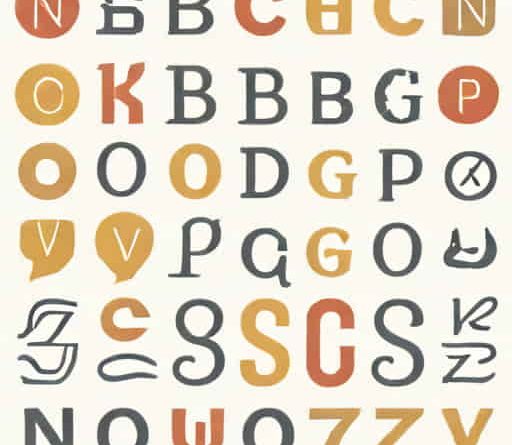
Alphabet In Cursive
Learning the alphabet in cursive is a foundational skill that combines literacy, fine motor development, and artistic expression. Cursive writing is a style of handwriting where letters are connected in flowing strokes, allowing for faster and more fluid writing compared to print. While many children first learn the alphabet in block letters, introducing cursive at an early age helps strengthen hand-eye coordination and supports overall writing proficiency. Beyond practical purposes, cursive writing offers cognitive benefits, encourages creativity, and preserves a traditional skill that has been valued for centuries in education and communication. Understanding the letters, their formations, and techniques for writing in cursive can make learning more engaging and provide long-term benefits for students of all ages.
History of Cursive Writing
Cursive writing has a long and rich history, dating back to early scripts used in Europe and the Middle East. Its primary purpose was to allow writers to compose letters more quickly and efficiently than block lettering. Over the centuries, cursive evolved through different styles, including Spencerian, Palmer, and modern cursive, each reflecting cultural and educational priorities of its time. In the 19th and 20th centuries, cursive became a standard part of school curricula, emphasizing both legibility and speed. Today, while digital communication has reduced the daily need for cursive, teaching the alphabet in cursive remains important for handwriting development, cognitive skills, and historical literacy.
Key Historical Developments
- Early scripts in Europe allowed for connected letters in manuscripts.
- Spencerian script in the 19th century emphasized elegance and uniformity.
- Palmer method focused on speed and practicality in schools.
- Modern cursive styles combine legibility with smooth connections.
- Current education systems still teach cursive for cognitive and motor skill development.
Benefits of Learning the Alphabet in Cursive
Learning cursive offers numerous advantages beyond simple writing. Studies have shown that writing by hand, particularly in cursive, can improve memory, reading comprehension, and fine motor skills. The connected letters in cursive encourage fluid motion, which can help children write more quickly and efficiently. Additionally, cursive promotes hand-eye coordination and spatial awareness, as the writer must consider how letters connect and flow across the page. For older learners, practicing the alphabet in cursive can enhance creativity, reduce mental fatigue when writing, and provide a sense of personal style in one’s handwriting.
Educational and Cognitive Benefits
- Enhances memory retention through the physical act of writing.
- Improves fine motor skills and hand strength in young learners.
- Supports faster and smoother writing due to connected letters.
- Encourages creative expression and individualized handwriting styles.
- Reinforces reading comprehension by linking letter recognition with physical movement.
Techniques for Writing the Alphabet in Cursive
Mastering cursive begins with understanding the basic strokes that form each letter. Cursive writing typically involves loops, curves, and connecting lines that allow letters to flow together. Students often start with lowercase letters before progressing to uppercase, as lowercase forms are used more frequently in writing. Practicing individual letters, then combining them into words, helps learners develop confidence and muscle memory. Tools such as lined paper, tracing exercises, and guided instruction can further support the development of cursive skills.
Steps to Learn Cursive Letters
- Begin with lowercase letters, focusing on proper formation and connections.
- Practice loops, curves, and slants to achieve smooth transitions between letters.
- Gradually introduce uppercase letters, which often involve more complex strokes.
- Combine letters into simple words, paying attention to spacing and legibility.
- Use practice sheets, tracing exercises, and repeated drills to reinforce muscle memory.
Common Challenges in Learning Cursive
Despite its benefits, learning the alphabet in cursive can present challenges for some students. Fine motor skill development varies, and some children may struggle with forming letters consistently. Maintaining even slant, spacing, and size can also be difficult. Additionally, transitioning from print to cursive requires learners to think about connections between letters, which can initially slow down writing speed. To address these challenges, educators often provide step-by-step instruction, visual guides, and plenty of practice opportunities, allowing students to build confidence over time.
Strategies for Overcoming Challenges
- Start with simple letters and gradually progress to more complex forms.
- Use visual examples and tracing guides to reinforce proper shapes.
- Encourage regular practice to develop consistency and fluidity.
- Break writing sessions into short, manageable segments to reduce fatigue.
- Provide positive feedback and celebrate progress to motivate learners.
Applications of Cursive in Daily Life
While digital communication dominates modern life, cursive writing remains useful and relevant. Signing documents, personalizing notes, journaling, and artistic projects often benefit from cursive skills. Many legal, historical, and academic texts also feature cursive handwriting, making it a valuable skill for reading archival documents. Learning the alphabet in cursive allows individuals to maintain a connection to these traditional practices while also expressing individuality in their writing. Beyond practicality, cursive adds an aesthetic dimension, making handwriting more visually appealing and unique.
Practical Uses of Cursive
- Writing personal letters, notes, and cards.
- Signing official documents with a personalized signature.
- Creating artistic projects and calligraphy works.
- Reading historical documents and manuscripts written in cursive.
- Enhancing the overall speed and fluency of handwritten communication.
Teaching the Alphabet in Cursive
Educators often introduce cursive after students have mastered print letters, typically in late elementary grades. Teaching strategies include guided practice, repetition, and multisensory approaches that integrate visual, auditory, and kinesthetic learning. Encouraging students to practice consistently and providing examples of properly formed letters supports skill retention. Technology can also aid learning through digital tracing apps and interactive exercises that reinforce letter shapes. By teaching the alphabet in cursive in a structured and engaging manner, educators can ensure that students gain both proficiency and confidence.
Effective Teaching Methods
- Start with letter recognition and formation before moving to words.
- Use multisensory activities such as tracing, writing in sand, or using finger strokes.
- Provide consistent feedback to correct errors in slant, spacing, or connections.
- Incorporate fun exercises like cursive writing games or creative projects.
- Gradually increase writing complexity as students gain skill and confidence.
Learning the alphabet in cursive is more than a traditional skill; it enhances cognitive development, fine motor abilities, and creative expression. From understanding the history of cursive writing to mastering its techniques and overcoming challenges, students benefit from a structured approach that emphasizes practice, consistency, and engagement. While digital communication continues to evolve, cursive remains an important skill for personal, academic, and artistic purposes. By learning the alphabet in cursive, individuals gain the ability to write fluidly, express themselves creatively, and maintain a connection to the rich tradition of handwriting that has shaped communication for centuries.