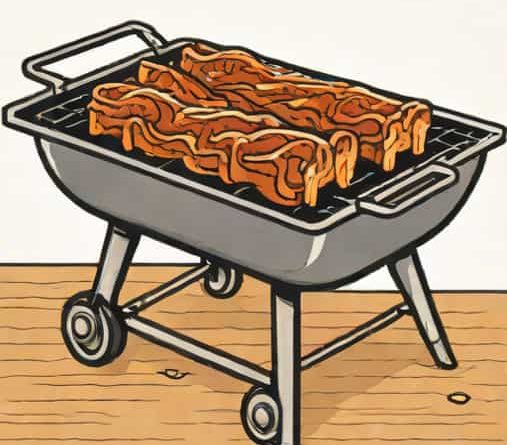
Baby Back Ribs On Pellet Grill
Cooking baby back ribs on a pellet grill is a method that combines convenience, precision, and the rich flavors of traditional barbecue. Pellet grills have become increasingly popular among both amateur and professional cooks because they provide consistent temperature control and infuse food with a smoky flavor using hardwood pellets. Baby back ribs, known for their tenderness and flavor, pair perfectly with this method, creating a dish that is juicy, flavorful, and full of that signature smoked aroma. Understanding the process, techniques, and tips for cooking ribs on a pellet grill ensures a perfect barbecue experience every time.
Choosing the Right Baby Back Ribs
The first step in preparing ribs on a pellet grill is selecting high-quality baby back ribs. These ribs come from the upper part of the pig’s ribcage, near the spine, and are known for their tenderness and slightly sweet flavor. When buying ribs, look for those with a good amount of meat, minimal bone exposure, and even thickness. Fresh ribs are preferable, but vacuum-sealed options can also work well if properly thawed before cooking.
Preparing the Ribs
Before placing ribs on the pellet grill, proper preparation is essential. Start by removing the membrane on the back of the ribs, which can be tough and chewy if left intact. Use a knife to lift a corner of the membrane, then grab it with a paper towel and pull it off. This step ensures that the ribs remain tender and that smoke and seasoning penetrate the meat effectively.
- Remove excess fat for even cooking.
- Trim edges if necessary to ensure uniform size.
- Pat the ribs dry to help the rub stick better.
Seasoning and Rubs
Seasoning is a key component of flavor when cooking baby back ribs on a pellet grill. Dry rubs are commonly used to enhance the natural flavor of the meat. A simple rub can include ingredients like salt, black pepper, paprika, garlic powder, onion powder, and brown sugar. The brown sugar helps caramelize the ribs during cooking, creating a flavorful crust known as bark.
Applying the Rub
Generously coat both sides of the ribs with the dry rub, pressing it gently into the meat to ensure it adheres. For added flavor, let the ribs rest with the rub for at least 30 minutes before cooking, or refrigerate them overnight. This allows the seasonings to penetrate deeper into the meat, enhancing the overall taste.
Setting Up the Pellet Grill
Pellet grills are designed to provide precise temperature control and consistent smoke. When cooking baby back ribs, aim for a low and slow approach, which helps render the fat and collagen in the meat, resulting in tender, juicy ribs.
Temperature and Smoke Settings
- Preheat the grill to 225°F (107°C) for a traditional low and slow cook.
- Use hardwood pellets such as hickory, apple, or cherry for a balanced smoky flavor.
- Maintain consistent heat throughout the cooking process to ensure even cooking.
Some pellet grills also allow for setting smoke intensity. Moderate smoke levels work best for baby back ribs, as too much smoke can overpower the meat’s natural flavor.
Cooking Techniques
The traditional method for cooking ribs on a pellet grill is often referred to as the 3-2-1 method, although for baby back ribs, a slightly adjusted approach like 2-2-1 is recommended due to their smaller size. This method involves smoking the ribs, wrapping them to retain moisture, and finishing them with a glaze or sauce.
Step-by-Step Guide
- SmokePlace the ribs bone-side down on the preheated grill and smoke for 2 hours at 225°F. This allows the smoke to penetrate the meat, adding depth of flavor.
- WrapAfter smoking, wrap the ribs tightly in aluminum foil with a small amount of apple juice, butter, or honey to enhance moisture. Cook for another 2 hours to tenderize the meat.
- Glaze and FinishUnwrap the ribs, brush with barbecue sauce, and return to the grill for 1 hour. This creates a caramelized glaze and adds the finishing touches to flavor and texture.
During cooking, it’s important to monitor the grill temperature and avoid opening the lid too frequently, as this can cause heat fluctuations and extend cooking time.
Checking for Doneness
Determining when baby back ribs are done requires attention to both visual cues and texture. The meat should pull back slightly from the bones, exposing about a quarter-inch of the bone tips. The ribs should also bend easily without breaking completely. Internal temperature is another indicator, with the meat reaching around 190°F to 203°F for optimal tenderness.
Resting the Ribs
Once the ribs are cooked, let them rest for 10-15 minutes before slicing. Resting allows the juices to redistribute throughout the meat, ensuring a moist and flavorful bite. Cut the ribs between the bones and serve immediately for the best experience.
Tips for Perfect Baby Back Ribs on a Pellet Grill
Cooking baby back ribs on a pellet grill can be simple with a few helpful tips
- Use quality hardwood pellets for consistent smoke and flavor.
- Keep the grill lid closed as much as possible to maintain temperature.
- Experiment with rubs and sauces to customize flavor.
- Consider spritzing the ribs with apple juice or cider vinegar during smoking to keep them moist.
- Monitor the meat’s texture rather than relying solely on time.
Serving Suggestions
Baby back ribs cooked on a pellet grill pair well with classic barbecue sides. Options include coleslaw, baked beans, cornbread, potato salad, or grilled vegetables. A fresh squeeze of lemon or additional barbecue sauce can enhance the flavors further, creating a complete and satisfying meal for family and friends.
Presentation Tips
- Slice the ribs carefully between the bones for neat servings.
- Arrange the ribs on a platter with sides for visual appeal.
- Garnish with fresh herbs like parsley or chives for added color.
Cooking baby back ribs on a pellet grill combines the art of traditional barbecue with modern convenience. From selecting high-quality ribs and applying the perfect rub to mastering the low and slow smoking process, every step contributes to juicy, flavorful results. Pellet grills provide consistent temperature control and smoke infusion, making them ideal for both beginners and experienced grillers. With the right preparation, attention to detail, and understanding of timing, anyone can create tender, smoky baby back ribs that rival restaurant-quality barbecue. Whether served with classic sides or enjoyed on their own, these ribs offer a satisfying and delicious culinary experience that highlights the versatility and effectiveness of pellet grilling.