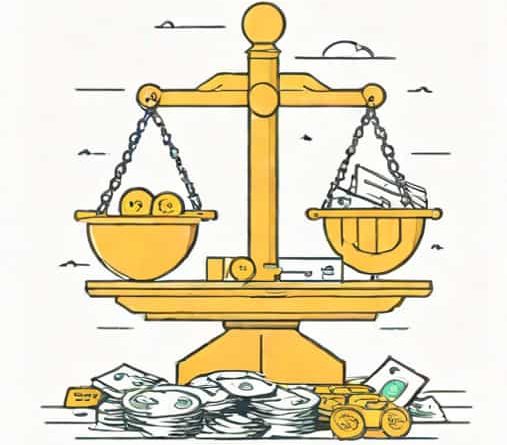
Balance Of Tax Overpaid For This Period
Understanding your tax obligations is a critical part of personal and business financial management, and one area that often raises questions is the balance of tax overpaid for this period. This term refers to the situation in which a taxpayer has paid more taxes than were actually owed during a specific tax period. Overpayments can occur due to errors in calculation, withholding mistakes, estimated tax payments that exceed the liability, or changes in deductions and credits. Knowing how overpaid taxes are identified, handled, and potentially refunded is essential for maintaining financial accuracy and ensuring compliance with tax regulations.
What Does Balance of Tax Overpaid for This Period Mean?
The phrase balance of tax overpaid for this period typically appears on tax statements or notices from tax authorities. It represents the difference between the total amount of taxes that a taxpayer has paid and the actual tax liability for that period. When the payments exceed the calculated tax owed, the excess is recorded as an overpayment. This balance can often be applied to future tax periods, refunded directly to the taxpayer, or adjusted against other outstanding tax obligations.
Why Tax Overpayments Happen
There are several common reasons why taxpayers might end up overpaying
- Excess WithholdingEmployees may have more tax withheld from their salaries than necessary due to inaccurate filing information on Form W-4.
- Estimated Tax PaymentsIndividuals or businesses that make quarterly estimated tax payments may overestimate their tax liability.
- Incorrect Deductions or CreditsErrors in claiming deductions or failing to account for tax credits properly can lead to overpayment.
- Changes in Tax RatesTax law updates or adjustments mid-year may affect liability, resulting in overpaid taxes if prior payments were calculated based on outdated rates.
How to Identify Overpaid Taxes
Taxpayers can usually determine if they have overpaid by reviewing their tax returns, statements, and payment records. Some key methods include
Reviewing Tax Returns
Carefully analyzing the completed tax return for a period can highlight discrepancies between amounts paid and tax owed. This includes checking withholding amounts, estimated tax payments, and credits applied.
Checking Employer and Financial Statements
Employees should compare pay stubs, W-2 forms, or other income statements against the taxes withheld. Similarly, self-employed individuals should review quarterly estimated tax payments against actual earnings.
Consulting Tax Authority Notices
Tax authorities often send notices indicating overpayment or underpayment balances. These documents may specify the amount overpaid, how it was calculated, and options for refund or credit.
Options for Handling Overpaid Taxes
Once an overpayment is identified, taxpayers have several options for managing the balance
Requesting a Refund
The most common approach is to request a direct refund from the tax authority. Refunds can be issued via bank transfer, check, or applied to an online account for withdrawal. The process typically involves submitting a tax return or specific refund request form detailing the overpayment.
Applying to Future Tax Periods
Another option is to apply the overpaid balance to upcoming tax obligations. This can reduce the amount owed in future periods, creating a credit that helps with cash flow management. Many tax authorities allow taxpayers to indicate on their return that they wish to carry forward the overpayment to the next period.
Offset Against Other Debts
In some jurisdictions, overpaid taxes may be used to offset outstanding debts, such as unpaid federal or state taxes, or other government obligations. Tax authorities typically provide notice before applying overpayments to other debts.
Importance of Accurate Records
Maintaining precise financial records is essential for identifying overpayments and ensuring they are correctly applied or refunded. Records should include
- Pay stubs and income statements
- Copies of tax returns and submitted forms
- Documentation of estimated tax payments
- Correspondence with tax authorities regarding refunds or adjustments
Accurate recordkeeping helps prevent disputes, simplifies the refund process, and ensures that overpayments are credited appropriately.
Tax Authority Procedures for Overpaid Balances
Different tax authorities have specific procedures for handling overpaid taxes. Generally, the process involves verification, confirmation, and either issuing a refund or applying the balance to future taxes. Key steps often include
- Verification of submitted tax returns and payments
- Confirmation of overpayment amount
- Providing the taxpayer with options for refund, credit, or offset
- Issuing the refund or updating accounts based on chosen options
Taxpayers should be aware of deadlines and specific forms required by their local tax authority to ensure the overpaid balance is processed correctly.
Benefits of Managing Overpaid Taxes Effectively
Proper management of overpaid taxes provides several financial advantages
- Improved cash flow by receiving refunds or applying credits to reduce future payments
- Reduced risk of penalties or interest due to misapplied or unclaimed overpayments
- Better financial planning and budgeting through accurate tracking of tax obligations
- Peace of mind knowing that overpayments are accounted for and handled appropriately
Common Mistakes to Avoid
Even with careful management, taxpayers may make errors in handling overpaid balances
- Failing to file a refund request in a timely manner
- Incorrectly applying overpayment to future periods without confirmation
- Assuming automatic refunds without verifying tax authority processing
- Neglecting to account for overpayments in financial records
Avoiding these mistakes ensures that taxpayers receive full benefit from any excess payments made.
The balance of tax overpaid for this period is a critical concept for anyone managing personal or business finances. Overpayments occur for various reasons, including withholding errors, estimated payments, or calculation mistakes. Recognizing overpaid taxes and knowing how to handle them-through refunds, credits for future periods, or offsets-can significantly improve financial management and planning. Maintaining accurate records and understanding tax authority procedures is essential to ensure that the overpaid balance is applied correctly. Ultimately, managing overpaid taxes effectively provides financial clarity, enhances cash flow, and ensures compliance with tax regulations, making it an important aspect of responsible financial stewardship.