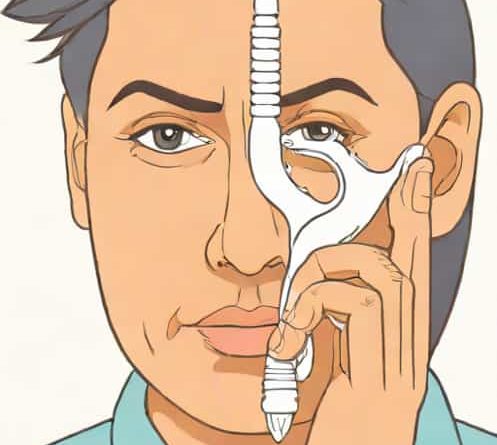
Bilateral Maxillary Sinusitis In Hindi
Bilateral maxillary sinusitis is a medical condition where both the left and right maxillary sinuses, located in the cheek area, become inflamed or infected. In Hindi, it is referred to as दà¥à¤¨à¥à¤ मà¥à¤à¥à¤¸à¤¿à¤²à¤°à¥ साà¤à¤¨à¤¸ मà¥à¤ सà¥à¤à¤¨ (Dono Maxillary Sinus Mein Soojan). This condition can cause discomfort, facial pain, nasal congestion, and other symptoms that affect daily life. Understanding the causes, symptoms, diagnosis, and treatment of bilateral maxillary sinusitis is important for proper management and relief. Awareness about preventive measures can also help reduce the risk of recurring sinus infections.
What is Bilateral Maxillary Sinusitis?
Bilateral maxillary sinusitis occurs when both maxillary sinuses become inflamed simultaneously. These sinuses are air-filled cavities located behind the cheekbones and are connected to the nasal passages. Inflammation can be caused by bacterial, viral, or fungal infections, as well as allergies. The condition can be acute, lasting for a few weeks, or chronic, persisting for several months. In Hindi, sinusitis is often described as नाठà¤à¥ हडà¥à¤¡à¤¿à¤ à¥à¤ à¤à¥ पà¥à¤à¥ मà¥à¤ à¥à¤à¤¸ à¤à¥ सà¥à¤à¤¨ (Naak ki haddiyon ke peeche mucus ki soojan).
Causes of Bilateral Maxillary Sinusitis
There are several factors that can lead to bilateral maxillary sinusitis
- Viral InfectionsCommon cold viruses can trigger inflammation in both sinuses simultaneously.
- Bacterial InfectionsSecondary bacterial infections often follow viral infections, causing more severe symptoms.
- AllergiesAllergic reactions to dust, pollen, or pet dander can inflame the sinuses and lead to chronic issues.
- Dental ProblemsInfections in the upper teeth can spread to the maxillary sinuses, causing bilateral sinusitis.
- Structural IssuesDeviated nasal septum or nasal polyps can block sinus drainage, leading to inflammation on both sides.
Symptoms of Bilateral Maxillary Sinusitis
The symptoms of bilateral maxillary sinusitis can range from mild to severe. Recognizing these symptoms early can help in seeking timely medical care. Common symptoms include
- Facial pain or pressure in the cheek area on both sides
- Nasal congestion and difficulty breathing through the nose
- Thick nasal discharge, often yellow or green in color
- Reduced sense of smell and taste
- Headache, especially around the forehead and cheeks
- Fever and fatigue in cases of infection
- Dental pain in upper teeth
Diagnosis in Hindi Context
In Hindi, diagnosis is often referred to as निदान (Nidaan). Bilateral maxillary sinusitis can be diagnosed through a combination of medical history, physical examination, and imaging techniques. Doctors may use the following methods
- Physical ExaminationChecking for tenderness in the cheek area and examining nasal passages for inflammation.
- EndoscopyA nasal endoscope can be used to view the sinus openings and detect blockages or infection.
- Imaging TestsX-rays, CT scans, or MRI scans help visualize both maxillary sinuses and identify fluid buildup or structural issues.
- Laboratory TestsIn some cases, a sample of nasal discharge may be tested to determine the cause of infection.
Treatment of Bilateral Maxillary Sinusitis
Treatment of bilateral maxillary sinusitis depends on the severity and cause of the condition. In Hindi, treatment is referred to as à¤à¤ªà¤à¤¾à¤° (Upchaar). Common treatment options include
Home Remedies and Self-Care
For mild cases, home remedies can help alleviate symptoms
- Steam inhalation to reduce nasal congestion
- Saline nasal sprays to clean nasal passages
- Drinking plenty of fluids to keep mucus thin
- Rest to support the immune system
- Using warm compresses on the face to relieve pain
Medications
Medications are often prescribed to treat the underlying cause
- AntibioticsUsed for bacterial infections, usually prescribed for 7-14 days
- DecongestantsReduce swelling in the nasal passages and improve drainage
- Anti-inflammatory drugsHelp relieve pain and reduce inflammation
- AntihistaminesUsed in cases of allergy-induced sinusitis
Surgical Options
In chronic or severe cases, surgery may be required. Procedures like Functional Endoscopic Sinus Surgery (FESS) help remove blockages, polyps, or infected tissue to restore proper sinus drainage. Surgery is generally considered when conservative treatments fail to relieve symptoms.
Prevention of Bilateral Maxillary Sinusitis
Preventive measures can reduce the risk of developing sinusitis or prevent recurrence
- Avoid exposure to allergens such as dust, pollen, and smoke
- Maintain good hygiene to prevent infections
- Use a humidifier to keep nasal passages moist
- Treat underlying dental problems promptly
- Manage allergies with medications or lifestyle adjustments
- Stay hydrated and maintain a healthy immune system
When to See a Doctor
It is important to seek medical attention if symptoms persist for more than 10 days, worsen over time, or include high fever and severe facial pain. Early intervention can prevent complications such as chronic sinusitis, spread of infection, or involvement of other sinuses.
Bilateral maxillary sinusitis, or दà¥à¤¨à¥à¤ मà¥à¤à¥à¤¸à¤¿à¤²à¤°à¥ साà¤à¤¨à¤¸ मà¥à¤ सà¥à¤à¤¨ in Hindi, is a common condition that affects both maxillary sinuses, leading to discomfort, nasal congestion, and facial pain. Understanding the causes, recognizing the symptoms, and seeking timely treatment are essential for effective management. Treatments range from home remedies and medications to surgical interventions for severe cases. Preventive measures, proper hygiene, and allergy management can help reduce the risk of recurring sinus infections. Awareness of this condition and appropriate care can improve quality of life and prevent complications, making it crucial for individuals to stay informed and proactive regarding their sinus health.