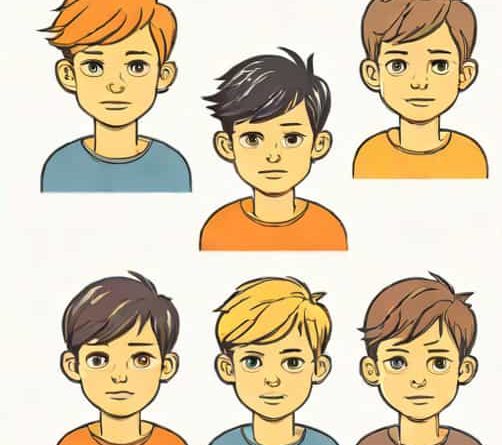
Changes In Boys During Puberty
Puberty is one of the most important stages in a boy’s life, marking the transition from childhood to adulthood. It usually happens between the ages of 9 and 16, although every boy’s timeline is different. During this period, the body goes through many physical, emotional, and hormonal changes. These changes are caused mainly by an increase in the hormone testosterone, which affects growth, mood, and sexual development. Understanding what happens during puberty can help boys feel more confident and comfortable as they experience these transformations.
Physical Changes in Boys During Puberty
One of the most noticeable changes during puberty in boys is the transformation of their body. Growth happens rapidly, and the body begins to take on a more adult shape. Muscles become larger, bones grow longer, and fat distribution changes. The body begins to look less like that of a child and more like that of a man. These physical developments can sometimes feel sudden or confusing, but they are natural signs of growing up.
Growth Spurts
Boys usually experience a significant increase in height during puberty. This growth spurt can happen over a few short years, and some boys may grow as much as four inches or more in one year. The hands and feet often grow first, followed by the arms and legs, and then the rest of the body catches up. It is common for boys to feel clumsy during this stage as their bodies adjust to new proportions.
Alongside height, weight also increases as muscles and bones become denser. Shoulders broaden, and the chest expands. These changes create the stronger and more masculine body shape typically associated with adult males.
Voice Changes
Another clear sign of puberty is the deepening of the voice. The larynx, also known as the voice box, grows larger, and the vocal cords lengthen and thicken. This causes the voice to crack or break temporarily before it settles into a deeper tone. Although this can be embarrassing for some boys, it is a completely normal part of development.
Hair Growth
Hair begins to grow in new areas of the body during puberty. Boys will start to notice hair on their face, chest, underarms, and around the genitals. At first, the hair is soft and light, but it becomes thicker and darker over time. Facial hair may start as a faint mustache and gradually develop into fuller beard growth in later years.
Pubic and underarm hair appear first, followed by facial and body hair. These changes are driven by the increased production of testosterone and are a visible sign of sexual maturity.
Changes in the Genitals
The testicles and penis grow larger during puberty. This is one of the first signs of puberty in boys. The testicles begin producing sperm, marking the start of reproductive capability. The scrotum, which holds the testicles, becomes looser and darker in color. Boys may also experience spontaneous erections or wet dreams as the body begins producing and releasing semen. These changes can feel strange at first but are completely normal and healthy parts of male development.
Emotional and Psychological Changes
Puberty is not just about physical changes; it also brings significant emotional and psychological developments. As hormone levels fluctuate, boys might feel moodier or more sensitive than before. They might experience stronger emotions, from excitement and curiosity to frustration or confusion. These feelings are part of learning how to manage emotional growth and self-identity.
Developing Independence
During puberty, boys begin to seek more independence from their parents or guardians. They start forming stronger opinions and making more personal choices about their interests, friendships, and activities. This desire for autonomy is part of preparing for adulthood and forming a clear sense of identity.
However, this process can also lead to conflicts with family or teachers as boys try to assert themselves. Communication and understanding become essential during this time. Parents and guardians can help by providing guidance without being overly controlling, allowing boys to make responsible decisions while feeling supported.
Increased Self-Awareness
Boys going through puberty often become more self-conscious about their appearance and how others perceive them. They may compare themselves to friends or classmates, especially if their development is happening earlier or later than others. It’s important to remember that every boy’s body develops at its own pace, and there is no right timeline for puberty.
This heightened self-awareness can sometimes lead to insecurity, but it can also help boys understand who they are becoming. Support from parents, teachers, and peers can make this stage easier to navigate.
New Interests and Attraction
As puberty progresses, boys begin to develop romantic and sexual feelings. These emotions are influenced by hormonal changes and are a natural part of human growth. Boys may start to feel attracted to others and become curious about relationships. Learning about respect, consent, and healthy communication is essential during this time.
Parents and educators can play an important role by discussing these topics openly and honestly. Understanding emotions and boundaries helps boys develop maturity and respect in future relationships.
Hormonal Changes and Their Impact
The primary hormone responsible for changes in boys during puberty is testosterone. Produced by the testicles, testosterone influences muscle growth, bone development, and the appearance of secondary sexual characteristics like facial hair and a deeper voice. It also affects mood, energy levels, and even behavior.
During this stage, boys might notice that they have more energy or stronger reactions to stress and emotions. These shifts are part of the body’s natural adjustment to higher hormone levels. Regular exercise, a balanced diet, and enough sleep can help stabilize mood and support healthy development.
Acne and Skin Changes
Increased hormone activity can also lead to changes in the skin. Many boys experience acne during puberty because the sebaceous glands produce more oil, which can clog pores. While acne is common and usually temporary, maintaining a regular skincare routine and eating a balanced diet can help keep it under control.
Social Changes During Puberty
Social interactions become increasingly important for boys as they move through puberty. Friendships often grow deeper, and peer approval begins to matter more. Boys may start to spend more time with friends than with family, which helps them learn about teamwork, empathy, and communication.
At the same time, peer pressure can become stronger. Boys may feel pushed to act a certain way to fit in. Encouraging confidence and individuality helps them resist negative influences and stay true to themselves.
Building Self-Esteem
Positive self-esteem plays a key role in how boys handle the changes of puberty. Supportive environments at home and school can make a big difference. Encouragement, open conversations, and celebrating achievements-no matter how small-can help boys feel secure and capable.
- Provide honest answers when boys ask about puberty.
- Encourage physical activity and healthy habits.
- Promote respect and empathy toward others.
- Remind them that everyone develops at a different pace.
Embracing Growth and Change
Puberty is a journey that every boy experiences in his own way. It brings a mix of excitement, confusion, and discovery. Physical changes like growth spurts, voice deepening, and hair growth are accompanied by emotional and social development that shapes identity and confidence. Understanding these changes helps boys adapt and embrace the process with courage and knowledge.
By learning about what happens during puberty, boys can feel more prepared for the challenges and joys of growing up. It’s a natural stage of life that leads to greater independence, maturity, and a stronger sense of self. With guidance, patience, and support, every boy can navigate puberty successfully and look forward to the journey of becoming a young man.