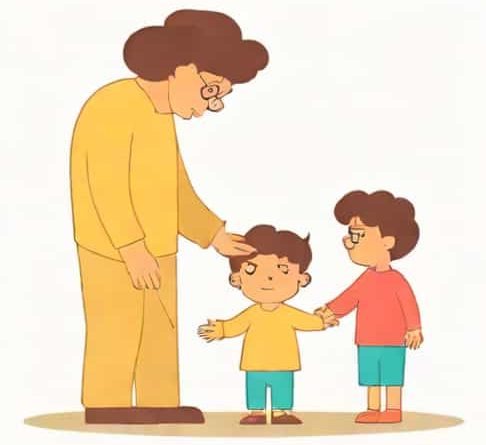
Child Saying Hurtful Things To Parents
Children sometimes say hurtful things to their parents, and while it can be deeply upsetting, it is often a normal part of development. These words can stem from frustration, anger, confusion, or a lack of emotional regulation. Parents may feel shocked, sad, or even guilty when confronted with harsh words from their child. Understanding why children speak in hurtful ways, how to respond effectively, and how to foster better communication can strengthen the parent-child relationship and reduce the frequency of such conflicts over time.
Understanding why children say hurtful things
Children often do not have fully developed emotional and verbal skills, making it difficult for them to express their feelings in constructive ways. Hurtful statements may be a reflection of underlying emotions rather than true intent to harm. Common reasons include
Frustration and anger
When children feel frustrated, overwhelmed, or unable to achieve a desired outcome, they may lash out verbally. This can include shouting, name-calling, or saying things intended to provoke a reaction. These statements are often impulsive and occur in the heat of the moment rather than being premeditated.
Testing boundaries
Children naturally test limits as they grow and learn about social rules and authority figures. Saying hurtful things may be a way to explore reactions and boundaries. This behavior helps them understand consequences and develop social awareness, even though it can be painful for parents.
Modeling behavior
Children learn from the environment around them. If they observe hurtful communication at home, in school, or through media, they may replicate similar behavior. Modeling positive conflict resolution and respectful communication can reduce the likelihood of hurtful language being used.
Seeking attention
Sometimes, children use harsh words as a strategy to gain attention. If they feel neglected, ignored, or misunderstood, hurtful statements may elicit immediate reactions from parents, which can inadvertently reinforce the behavior.
Emotional impact on parents
Hearing hurtful words from a child can trigger a range of emotional responses in parents, including sadness, anger, guilt, and frustration. It is important for parents to acknowledge their own feelings while maintaining a calm and constructive response. Overreacting or responding with similar hurtful words can escalate the situation and damage trust.
Coping strategies for parents
- Pause and breathe before responding to avoid reacting impulsively.
- Remind yourself that the words are often a reflection of the child’s emotions, not a personal attack.
- Seek support from partners, family members, or counseling if the situation feels overwhelming.
- Practice self-care to maintain emotional resilience.
Effective ways to respond
Responding to hurtful statements in a thoughtful and constructive manner can help children learn appropriate ways to express themselves. The goal is to address the behavior without damaging the relationship or escalating conflict.
Stay calm and composed
Maintaining composure demonstrates emotional regulation and sets a positive example. Avoid shouting, lecturing, or responding with hurtful words, as this can reinforce negative patterns.
Identify and acknowledge feelings
Recognize the emotions behind the words. For example, you might say, I can see that you’re really upset right now. This validates the child’s feelings without condoning hurtful language.
Set clear boundaries
Communicate that while feelings are valid, hurtful language is unacceptable. Establish consistent consequences for verbal aggression while explaining why respectful communication is important. For example It’s okay to be frustrated, but it’s not okay to call names.
Encourage alternative expression
Teach children constructive ways to express emotions. This can include using I feel statements, drawing, journaling, or taking a break to calm down. Providing vocabulary and strategies empowers children to communicate without resorting to hurtful language.
Long-term strategies to reduce hurtful communication
Reducing hurtful statements requires ongoing guidance, patience, and modeling of positive behavior. Long-term strategies include
Model respectful communication
Children learn by example. Demonstrating calm, empathetic, and respectful ways of expressing frustration helps them adopt similar behaviors.
Reinforce positive behavior
Praise and reward children when they express themselves constructively. Positive reinforcement encourages repeated use of respectful language and diminishes hurtful expressions over time.
Develop emotional intelligence
Encourage children to recognize, understand, and manage their emotions. Activities such as reading stories about feelings, discussing emotions, and role-playing scenarios can enhance emotional intelligence and reduce impulsive verbal attacks.
Open and consistent communication
Regular conversations about feelings, challenges, and experiences build trust and reduce the likelihood of hurtful statements. When children feel heard and understood, they are less likely to use language as a tool to vent or provoke reactions.
When to seek professional help
In some cases, persistent or extreme verbal aggression may indicate underlying issues that require professional support. Consider seeking help from a child psychologist, counselor, or family therapist if
- The child consistently uses hurtful language despite interventions.
- There are signs of underlying anxiety, depression, or behavioral disorders.
- Family dynamics are strained, and communication patterns are consistently negative.
- Parents feel overwhelmed and unable to manage the behavior effectively.
Professional guidance can provide strategies tailored to the child’s needs, improve family dynamics, and foster healthier communication patterns.
Children saying hurtful things to parents is a challenging but common aspect of child development. Understanding the reasons behind the behavior, maintaining emotional composure, and responding constructively can turn these moments into learning opportunities. By setting clear boundaries, encouraging alternative expressions of emotion, and modeling respectful communication, parents can guide their children toward healthier interactions. Over time, these strategies not only reduce hurtful statements but also strengthen the parent-child relationship, fostering empathy, emotional intelligence, and mutual respect. When combined with patience, consistency, and, if needed, professional support, families can navigate these challenges and create a more positive and understanding environment.